Sulforaphane is an isothiocyanate compound formed when glucoraphanin, a compound naturally present in broccoli and broccoli sprouts, is converted by the enzyme myrosinase during chewing or processing. It is one of the most extensively studied natural activators of the Nrf2 pathway, a cellular signaling system that upregulates the body’s own antioxidant and phase II detoxification enzymes.
Because Nrf2 signaling intersects with inflammatory and immune regulation, sulforaphane has drawn research interest for its potential effects on immune cell behavior, from dendritic cells to macrophages. This article reviews what the available evidence actually shows, being explicit about where findings come from cell or animal models versus limited human data, and where the science is still developing.
Key Takeaways
- Sulforaphane forms when glucoraphanin in broccoli/broccoli sprouts is converted by myrosinase, and it activates the Nrf2 pathway, which regulates antioxidant and detox enzymes intersecting with immune signaling.
- Research on human dendritic cells shows sulforaphane can reduce chronic inflammatory immune responses [1], a modulating effect rather than a general immune ‘boost.’
- In diabetic wound models, sulforaphane affects macrophage behavior in ways that support healing [2], but this is preclinical evidence, not proof of effects in general human wound healing.
- Nrf2-related immune dysregulation has been studied in neurodevelopmental and neurodegenerative conditions [3] [4] [5], but this does not establish that sulforaphane treats these conditions.
- Much of the direct immune-cell evidence is preclinical; well-powered human clinical trials on sulforaphane and immune outcomes remain limited.
The Nrf2 Connection: Why Sulforaphane Is Studied for Immune Effects
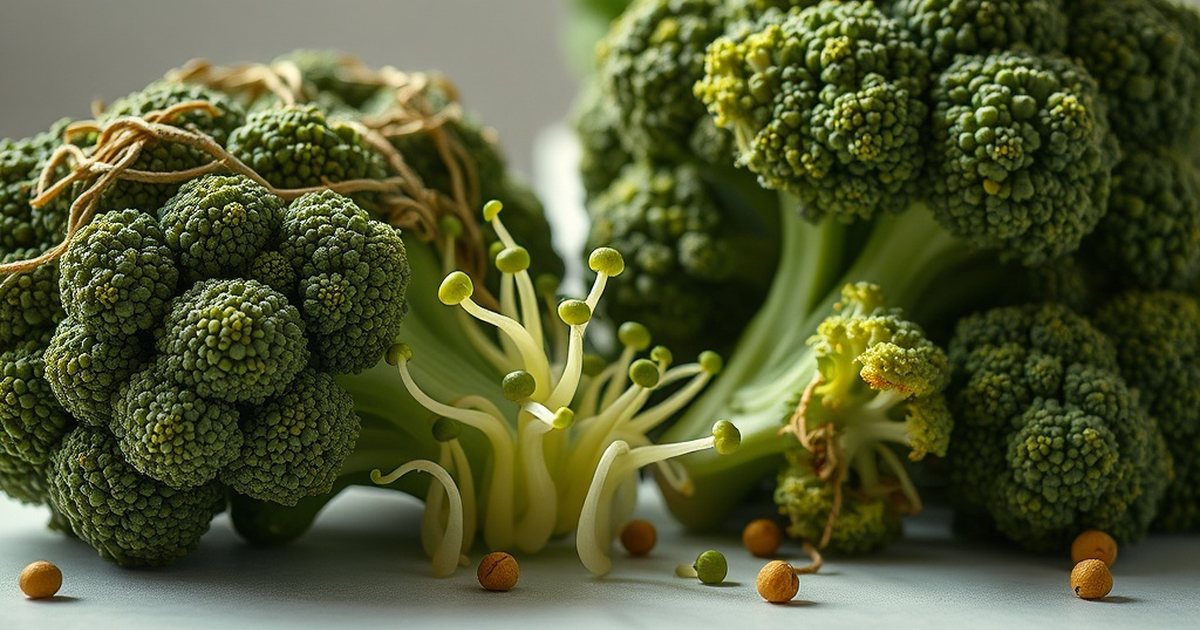
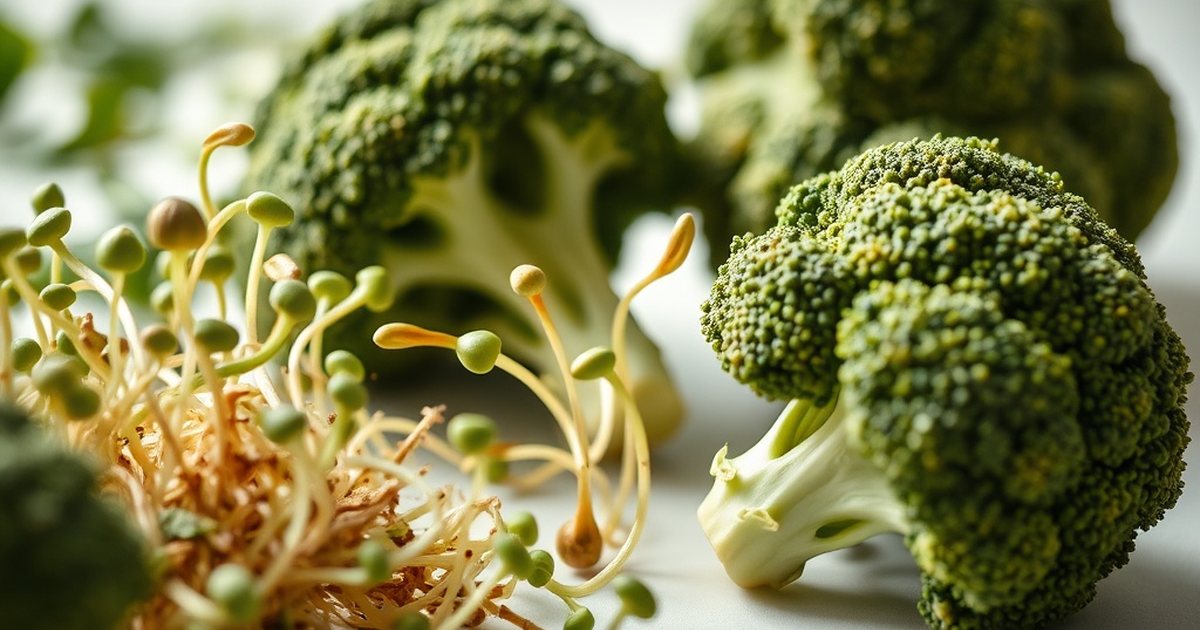
The proposed mechanism starts with glucoraphanin-to-sulforaphane conversion via myrosinase, an enzyme released when broccoli or broccoli sprouts are cut, chewed, or crushed. Once formed, sulforaphane can activate the Nrf2 (nuclear factor erythroid 2-related factor 2) pathway, which in turn upregulates a suite of antioxidant and phase II detoxification enzymes.
Because Nrf2 signaling is not isolated from immune regulation, dysregulation of the Nrf2-Keap1-BACH1 axis has been implicated in conditions with immune and inflammatory components, including autism spectrum disorder [3]. This is one reason researchers have looked at sulforaphane as a compound that might influence immune cell activity, not because it has been shown to ‘boost’ immunity in a simple sense, but because it intersects with pathways immune cells rely on.

Effects on Dendritic Cells and Inflammatory Signaling
Dendritic cells are antigen-presenting cells that help direct the broader immune response, and chronic low-grade inflammation involving these cells is a feature of several conditions. Research on human dendritic cells has found that sulforaphane reduces their chronic inflammatory immune response [1], suggesting a modulating rather than a stimulating effect.
This distinction matters: the evidence points toward sulforaphane dampening excessive or chronic inflammatory signaling in specific immune cell types, not indiscriminately ramping up immune activity. Popular claims of sulforaphane as a broad immune ‘booster’ are not well supported by this type of finding, which is more consistent with an anti-inflammatory or regulatory role.
Macrophages, Wound Healing, and Immune Cell Polarization
Macrophages are immune cells that can shift between different functional states, broadly described as polarization, and this shifting plays a role in processes like wound healing. In diabetic wound models, sulforaphane has been shown to promote wound healing by regulating macrophage efferocytosis (the clearance of dead cells) and polarization [2].
This finding is preclinical and specific to a diabetic wound context, so it should not be generalized to wound healing broadly or extrapolated to humans without further study. It does, however, add to a pattern across the literature of sulforaphane influencing how specific immune cell populations behave, rather than simply increasing immune cell numbers or activity across the board.

Exercise, Immunometabolism, and Dietary Adjuvants
Immune cells rely heavily on metabolic processes to function, an area of study known as immunometabolism, and this is particularly relevant around exercise, which places acute metabolic demands on immune cell populations. Recent work in this field has examined immune cell bioenergetics, muscle-immune cell interactions, and the potential role of dietary compounds as adjuvants in this context [6].
This is a broader research area rather than a sulforaphane-specific one, and it illustrates the kind of framework, immune cells as metabolically active, diet-responsive populations, within which compounds like sulforaphane are being studied. It does not constitute direct evidence that sulforaphane improves exercise recovery or performance.
Immune Involvement in Neurological and Neurodevelopmental Conditions
Immune dysregulation is increasingly recognized as a feature of some neurological and neurodevelopmental conditions. Immunomodulation has been discussed as a relevant factor in Alzheimer’s disease [4], and immunological dysfunction has been identified as a potential therapeutic target in autism spectrum disorder [5], with the Nrf2-Keap1-BACH1 axis specifically implicated in the latter [3].
These findings describe immune involvement in disease processes and identify Nrf2-related pathways as a point of interest, they do not demonstrate that sulforaphane supplementation treats, prevents, or meaningfully changes the course of these conditions in humans. Where sulforaphane fits into this picture is still a matter of early-stage, mechanistic research rather than established clinical benefit.
Where the Evidence Is Strong, and Where It Is Still Early
Taken together, the strongest and most direct evidence links sulforaphane to a modulating effect on specific immune cells, dendritic cells [1] and macrophages [2], in ways consistent with reduced chronic inflammation and improved cell-clearance/healing processes. This is meaningful mechanistic evidence, but much of it comes from cell-culture or animal models rather than large human trials.
The connections to Nrf2 dysregulation in neurodevelopmental and neurodegenerative conditions [3] [4] [5], and to exercise immunometabolism [6], represent adjacent research areas that help explain why sulforaphane is of interest, but they are not direct evidence that supplementation changes immune outcomes in healthy people or resolves these conditions. Readers should be cautious about extrapolating ‘immune support’ marketing claims beyond what these specific, narrower findings actually show.
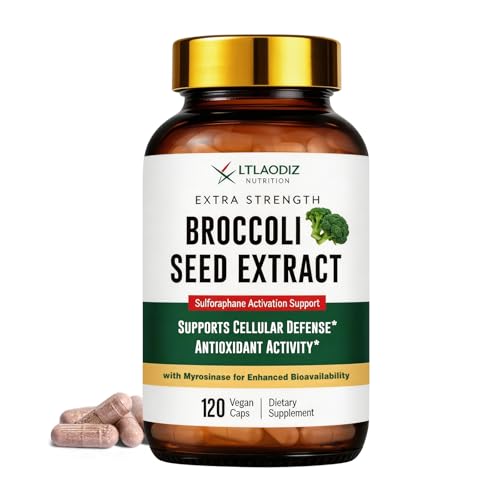
🛒 Where to Buy Sulforaphane
- Nutramax Laboratories Avmacol Regular Strength
tablets, 2 tablets daily — Sulforaphane-producing supplement used in human clinical trials; uses a glucoraphanin + active myrosinase Sulforaphane Production System - Swanson Sulforaphane Broccoli Sprout Extract
capsules, 1 capsule (400 mcg) daily — Budget-friendly option standardized to 0.4% sulforaphane from BroccoPhane concentrate - Source Naturals Broccoli Sprouts Extract
tablets, 1 tablet daily — Delivers 2,000 mcg sulforaphane per serving from freshly germinated broccoli sprouts - Nova Nutritions Broccoli Sprout Extract 1000mg
capsules, 1 capsule daily — Broccoli sprout extract; entry-level price point
As an Amazon Associate we earn from qualifying purchases. Sulforaphane quality depends on conversion, not price. Prefer a product that supplies active myrosinase or pre-converted stabilized sulforaphane rather than glucoraphanin alone, and look for a batch-specific certificate of analysis stating actual glucoraphanin or sulforaphane content, since a label that headlines sulforaphane while the supplement facts list only broccoli sprout extract gives you no way to verify potency.

A Note on the Evidence
Most of the direct immune-cell evidence here comes from cell-culture or animal studies rather than large human trials, so claims about sulforaphane and immune function should be read as early and mechanistic rather than established clinical benefit. This is informational content, not medical advice; talk to a healthcare provider before starting supplementation, especially if you have a thyroid condition or are undergoing cancer treatment.
Frequently Asked Questions
Does sulforaphane 'boost' the immune system?
The evidence doesn’t support a simple immune-boosting effect. Research on human dendritic cells shows sulforaphane reduces chronic inflammatory immune responses [1], which is a modulating or calming effect rather than broad stimulation.
What is the mechanism behind sulforaphane's immune effects?
Sulforaphane forms from glucoraphanin via the myrosinase enzyme and activates the Nrf2 pathway, upregulating the body’s antioxidant and phase II detoxification enzymes. This pathway intersects with immune and inflammatory regulation, which is why it has been studied in conditions involving immune dysregulation [3].
Is there human clinical trial evidence for sulforaphane and immunity?
Much of the available evidence, including findings on macrophage polarization and wound healing, comes from cell or animal models rather than large human trials [2]. Human evidence for immune-specific outcomes remains limited.

Could sulforaphane help with inflammation related to exercise?
There is broader research interest in how immune cells respond metabolically to exercise and whether dietary compounds play an adjuvant role [6], but this is not sulforaphane-specific evidence and shouldn’t be read as a direct exercise-recovery claim.
Is sulforaphane linked to Alzheimer's or autism research?
Immune dysregulation is discussed as relevant in both Alzheimer’s disease [4] and autism spectrum disorder [5], with Nrf2-Keap1-BACH1 pathway involvement specifically noted in autism research [3]. These describe immune mechanisms in disease, not evidence that sulforaphane treats either condition.
Is sulforaphane safe to take for immune support?
Sulforaphane and broccoli sprout extract are not FDA-evaluated as drugs and are generally well tolerated, though some people report GI upset at higher doses. Very high cruciferous intake may have a mild goitrogenic effect relevant to thyroid conditions, and it may interact with certain chemotherapy regimens, so anyone in active cancer treatment should consult their oncologist first.
References
- Fernandez-Prades L et al. Sulforaphane Reduces the Chronic Inflammatory Immune Response of Human Dendritic Cells. Nutrients (2023). PMID 37571342
- Huang Y et al. Sulforaphane promotes diabetic wound healing by regulating macrophage efferocytosis and polarization. International immunopharmacology (2025). PMID 39938166
- Vallese A et al. Deregulated Nrf2-Keap1-BACH1 axis in autism spectrum disorder. Redox biology (2025). PMID 40857932
- Ashvin et al. Unraveling the Immune Puzzle: Role of Immunomodulation in Alzheimer's Disease. Journal of neuroimmune pharmacology : the official journal of the Society on NeuroImmune Pharmacology (2025). PMID 40299221
- Marchezan J et al. Immunological Dysfunction in Autism Spectrum Disorder: A Potential Target for Therapy. Neuroimmunomodulation (2018). PMID 30184549
- Islam H et al. Recent advances in exercise immunometabolism: Immune cell bioenergetics, muscle-immune cell interactions, and potential dietary adjuvants. Current opinion in clinical nutrition and metabolic care (2025). PMID 40815154
These statements have not been evaluated by the Food and Drug Administration. This information is not intended to diagnose, treat, cure, or prevent any disease. Content is for informational purposes only and is not medical advice; consult a qualified healthcare provider before starting any supplement. As an Amazon Associate we earn from qualifying purchases.
