Helicobacter pylori is a bacterium that colonizes the stomach lining and is linked to gastritis, peptic ulcers, and increased gastric cancer risk. Standard treatment is antibiotic-based triple or quadruple therapy, but rising antibiotic resistance has made eradication harder in some patients, which is part of why researchers have looked at dietary compounds like sulforaphane as a possible adjunct.
Sulforaphane is formed when glucoraphanin, a compound concentrated in broccoli sprouts, is converted by the enzyme myrosinase during chewing or crushing. It is best known for activating the Nrf2 pathway, which turns on the body’s own antioxidant and detoxification enzymes. A handful of small human and animal studies have tested whether broccoli sprouts or sulforaphane-rich extracts affect H. pylori colonization and the gastric inflammation it causes. The evidence is real but limited, and it does not show sulforaphane eradicating the infection outright.
Key Takeaways
- Sulforaphane is formed from glucoraphanin in broccoli sprouts via the myrosinase enzyme, and activates the Nrf2 antioxidant pathway.
- Small human and animal studies report that broccoli sprouts can reduce H. pylori colonization density and gastric inflammation markers, but do not reliably eradicate the infection [1][2].
- Sulforaphane-rich extract has been linked to reduced gastric lipid peroxidation in infected patients [3].
- Whether broccoli supplementation meaningfully boosts standard antibiotic eradication rates is still being studied, and results should be checked trial by trial [4].
- Confirmed H. pylori eradication still requires standard antibiotic therapy and testing; broccoli sprouts are not a substitute.
The Proposed Mechanism
When broccoli sprouts are chewed or blended, myrosinase converts glucoraphanin into sulforaphane. Sulforaphane then activates Nrf2, a transcription factor that upregulates phase II detoxification enzymes and antioxidant defenses in cells throughout the body, including the gastric mucosa. In the stomach, this is thought to reduce oxidative stress and inflammation caused by H. pylori’s presence, independent of directly killing the bacteria.
Separately, laboratory work has shown sulforaphane has direct antibacterial activity against H. pylori, including some antibiotic-resistant strains, in test-tube settings. The combination of a possible antibacterial effect plus an anti-inflammatory, antioxidant effect via Nrf2 is the basis for testing broccoli sprouts in people who carry the infection.

Early Human Evidence: Reduced Colonization, Not Eradication
One of the first human reports on this topic gave H. pylori-infected volunteers broccoli sprouts daily and found that most were stool antigen negative right after the course, but eradication was associated with the treatment in only three of nine, so it was not a reliable cure [1].
A later study combining mouse models with a human trial reported that sulforaphane-rich broccoli sprouts reduced H. pylori colonization density and attenuated gastritis, again without fully clearing the infection [2]. Researchers have generally interpreted these findings as sulforaphane suppressing bacterial activity and calming inflammation rather than eliminating H. pylori the way antibiotics do.
Markers of Gastric Inflammation and Oxidative Stress
A separate trial looked specifically at lipid peroxidation, a marker of oxidative damage in the gastric mucosa, in H. pylori-infected participants given broccoli sprout extract containing sulforaphane. The study reported reductions in lipid peroxidation and some improvement in gastric mucosal markers alongside the infection [3].
A Japanese study similarly examined the effects of sulforaphane-rich broccoli sprouts on the H. pylori-infected gastric mucosa and reported measurable changes in mucosal status with supplementation [5]. These studies point toward a consistent theme: broccoli sprouts appear to reduce inflammatory and oxidative markers in infected stomach tissue, even when they don’t eliminate the bacteria.
Can Broccoli Support Standard Antibiotic Treatment?
Because sulforaphane alone doesn’t reliably eradicate H. pylori, a more clinically relevant question is whether it can improve outcomes when combined with standard antibiotic therapy. A trial examined whether probiotics or broccoli supplementation added to standard clarithromycin-based triple therapy improved H. pylori eradication rates compared to triple therapy alone [4].

This kind of trial design matters because it tests broccoli sprouts as a complement to, not a replacement for, guideline-recommended antibiotic treatment. Readers should look at the specific results of that trial rather than assume any adjunct automatically improves eradication rates; effects of add-on dietary interventions on antibiotic eradication rates vary across studies and populations.
What the Evidence Does Not Show
None of the available studies support using broccoli sprouts or sulforaphane supplements as a standalone treatment for H. pylori infection. The trials are small, some are decades old, and the pattern across them is mostly suppression of bacterial load and reduction of inflammatory markers rather than reliable eradication. H. pylori eradication is typically confirmed with a urea breath test or stool antigen test. The earliest small report found negative results on these tests in three of nine patients, but only temporally associated with the treatment, and the later trials did not show sulforaphane alone achieving a cure.
It’s also worth noting that study designs, doses, and broccoli sprout preparations differ across this small body of research, which makes it hard to generalize a specific dose or duration that would replicate the reported effects.
🛒 Where to Buy Sulforaphane
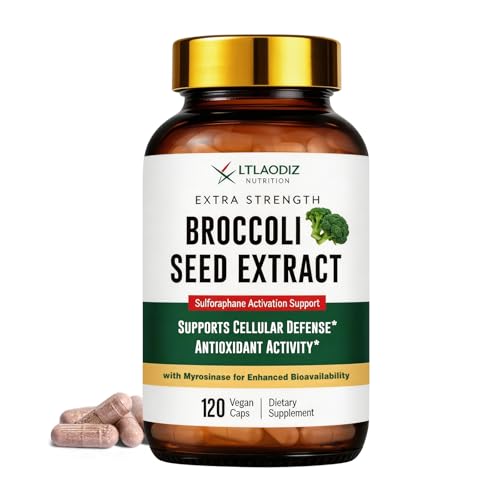
- Nutramax Laboratories Avmacol Regular Strength
tablets, 2 tablets daily — Sulforaphane-producing supplement used in human clinical trials; uses a glucoraphanin + active myrosinase Sulforaphane Production System - Swanson Sulforaphane Broccoli Sprout Extract
capsules, 1 capsule (400 mcg) daily — Budget-friendly option standardized to 0.4% sulforaphane from BroccoPhane concentrate - Source Naturals Broccoli Sprouts Extract
tablets, 1 tablet daily — Delivers 2,000 mcg sulforaphane per serving from freshly germinated broccoli sprouts - Nova Nutritions Broccoli Sprout Extract 1000mg
capsules, 1 capsule daily — Broccoli sprout extract; entry-level price point
As an Amazon Associate we earn from qualifying purchases. Sulforaphane quality depends on conversion, not price. Prefer a product that supplies active myrosinase or pre-converted stabilized sulforaphane rather than glucoraphanin alone, and look for a batch-specific certificate of analysis stating actual glucoraphanin or sulforaphane content, since a label that headlines sulforaphane while the supplement facts list only broccoli sprout extract gives you no way to verify potency.
A Note on the Evidence
This research is based on small, sometimes decades-old studies, and none demonstrate that sulforaphane or broccoli sprouts eradicate H. pylori on their own; anyone with a suspected or confirmed H. pylori infection should be evaluated and treated by a healthcare provider, and should consult their doctor before combining supplements with prescribed antibiotic therapy. This article is informational, not medical advice.
Frequently Asked Questions
Can eating broccoli sprouts cure an H. pylori infection?
No. Available studies show broccoli sprouts and sulforaphane can reduce bacterial colonization and gastric inflammation markers, but they have not been shown to eradicate the infection on their own [1][2].
How much broccoli sprout extract was used in these studies?
Doses and preparations varied by study, and the evidence base is too small and inconsistent to recommend a specific dose here. Anyone considering supplementation should discuss dosing with a healthcare provider.
Does sulforaphane help if I'm also taking antibiotics for H. pylori?
One trial tested broccoli supplementation alongside standard clarithromycin-based triple therapy to see if it affected eradication rates [4]. This is an active area of research rather than a settled answer.

What does sulforaphane actually do in the stomach?
It activates the Nrf2 pathway, which upregulates the body’s antioxidant and phase II detoxification enzymes, and appears to reduce oxidative stress markers like lipid peroxidation in H. pylori-infected gastric tissue [3].
Is broccoli sprout supplementation safe for someone with an H. pylori infection?
Broccoli sprouts and sulforaphane extract are generally well tolerated, though some people report GI upset at higher doses. Very high cruciferous intake may have a mild goitrogenic effect relevant to thyroid conditions. Anyone with an H. pylori infection should still pursue standard medical evaluation and treatment.
How is H. pylori eradication actually confirmed?
Through a urea breath test or stool antigen test after treatment. The earliest small report used stool antigen and urea breath testing and found eradication in three of nine patients, though only temporally associated with the treatment; the other studies cited here report reduced colonization and inflammation markers, or no added benefit to standard therapy, instead.
References
- Galan MV et al. Oral broccoli sprouts for the treatment of Helicobacter pylori infection: a preliminary report. Digestive diseases and sciences (2004). PMID 15387326
- Yanaka A et al. Dietary sulforaphane-rich broccoli sprouts reduce colonization and attenuate gastritis in Helicobacter pylori-infected mice and humans. Cancer prevention research (Philadelphia, Pa.) (2009). PMID 19349290
- Chang YW et al. The Effects of Broccoli Sprout Extract Containing Sulforaphane on Lipid Peroxidation and Helicobacter pylori Infection in the Gastric Mucosa. Gut and liver (2015). PMID 25287166
- Chang YW et al. Effects of probiotics or broccoli supplementation on Helicobacter pylori eradication with standard clarithromycin-based triple therapy. The Korean journal of internal medicine (2020). PMID 31830776
- Yanaka A et al. [Effects of sulforaphane-rich broccoli sprouts on H. pylori-infected gastric mucosa]. Nihon rinsho. Japanese journal of clinical medicine (2005). PMID 16363606
These statements have not been evaluated by the Food and Drug Administration. This information is not intended to diagnose, treat, cure, or prevent any disease. Content is for informational purposes only and is not medical advice; consult a qualified healthcare provider before starting any supplement. As an Amazon Associate we earn from qualifying purchases.
