Sulforaphane is an isothiocyanate compound formed when glucoraphanin, a natural compound concentrated in broccoli and broccoli sprouts, is converted by the enzyme myrosinase. It is one of the most extensively studied natural activators of the Nrf2 pathway, a cellular signaling route that upregulates the body’s own antioxidant and phase II detoxification enzymes. Because intense exercise generates a temporary surge in oxidative stress, researchers have started asking whether sulforaphane-rich foods or extracts might help the body handle that stress and support recovery.
This is a young and still-developing area of research. The evidence below includes a recent controlled study on broccoli powder and post-exercise oxidative stress, along with a broader review of phytochemicals and muscle health that discusses sulforaphane’s proposed mechanisms. Neither should be read as proof that sulforaphane meaningfully changes how sore or fatigued you feel after a workout. This article lays out honestly what has and hasn’t been studied.
Key Takeaways
- Sulforaphane activates the Nrf2 pathway, which upregulates the body’s own antioxidant and detox enzymes, a plausible mechanism for blunting exercise-induced oxidative stress
- A recent study looked at broccoli powder’s effect on acute oxidative stress and recovery after demanding exercise [1], but this is early, narrowly scoped research
- A broader phytochemical review discusses sulforaphane alongside curcumin in the context of muscle function and recovery [2], but this is a synthesis of mechanistic evidence, not new trial data
- No large human trials yet directly measure sulforaphane’s effect on soreness, strength return, or next-session performance
- Generally well tolerated, but caution applies for those with thyroid conditions, in active chemotherapy, or prone to GI upset at high doses
The proposed mechanism: Nrf2 and exercise-induced oxidative stress
Strenuous or metabolically demanding exercise increases the production of reactive oxygen species (ROS) in working muscle. In moderate amounts, this oxidative signal is part of normal training adaptation, but larger or unaccustomed bouts of exercise can tip the balance toward oxidative stress that outpaces the body’s antioxidant defenses, at least temporarily.
Sulforaphane’s proposed relevance here comes from its ability to activate the Nrf2 (nuclear factor erythroid 2-related factor 2) pathway. Nrf2 is a transcription factor that, once activated, turns on genes for the body’s own antioxidant and phase II detoxification enzymes, things like glutathione-related enzymes, rather than acting as a direct antioxidant itself. The idea under investigation is that activating this internal defense system before or during a demanding exercise bout might blunt the acute oxidative stress response and support faster recovery. This is a plausible, mechanistically grounded hypothesis, but plausibility is not the same as proven benefit in humans.

What the broccoli powder and exercise study found
A study examining short-term broccoli powder supplementation looked at its effects on acute oxidative stress and recovery following a metabolically demanding exercise session [1]. Broccoli powder is a whole-food source of glucoraphanin, the precursor that myrosinase converts into sulforaphane, rather than isolated sulforaphane itself.
This kind of short-term supplementation design is useful for testing whether a food-based glucoraphanin source can measurably shift oxidative stress markers around a single demanding workout. It’s a narrower and more preliminary question than ‘does sulforaphane improve recovery,’ and the details of dose, timing, and which specific markers moved (or didn’t) matter a great deal for interpreting real-world relevance. Readers should treat this as one data point in an early-stage research area rather than a settled finding.
Sulforaphane and muscle function: the broader phytochemical picture
A review covering phytochemicals in skeletal muscle health examined both curcumin and sulforaphane in relation to muscle function, recovery, and the therapy of muscle atrophy [2]. This kind of review synthesizes mechanistic and preclinical evidence across multiple compounds rather than reporting a single new experiment, and it’s a useful way to see how sulforaphane’s Nrf2-activating, anti-inflammatory properties are being positioned in the broader muscle-health literature alongside better-known compounds like curcumin.
Reviews like this are valuable for mapping out biological plausibility and setting research priorities, but they are not a substitute for well-powered human trials specifically testing sulforaphane’s effect on exercise recovery outcomes like soreness, strength return, or performance in subsequent sessions.
What we don't yet know
The current evidence base is small. There isn’t yet a large body of human trials directly comparing sulforaphane or broccoli sprout extract against placebo across standard recovery metrics such as delayed-onset muscle soreness (DOMS), rate of strength return, or performance in a subsequent training session. The two sources cited here represent an emerging but still limited picture: one focused study on broccoli powder and acute oxidative stress markers [1], and one review situating sulforaphane within the broader phytochemical-and-muscle literature [2].

It’s also worth being cautious about extrapolating from oxidative stress markers to felt recovery. A supplement can shift a biomarker without producing a noticeable change in soreness, strength, or next-day performance, and the reverse is also possible. Until more trials directly measure functional recovery outcomes, claims about sulforaphane ‘speeding up recovery’ go beyond what the current evidence supports.
Practical considerations if you're curious about it
Sulforaphane and broccoli sprout extract are not FDA-evaluated as drugs, and are generally well tolerated in the populations studied so far, though some users report mild GI upset at higher doses. Because cruciferous vegetables can have a mild goitrogenic effect at very high intake, this is worth keeping in mind if you have a thyroid condition. Sulforaphane may also interact with certain chemotherapy regimens, so anyone in active cancer treatment should talk to their oncologist before adding sulforaphane-containing supplements.
For most people interested in general antioxidant support around training, broccoli sprouts or broccoli sprout extract remain a reasonable way to get glucoraphanin naturally, but framing it as a proven recovery accelerant would overstate what the research currently shows.
🛒 Where to Buy Sulforaphane
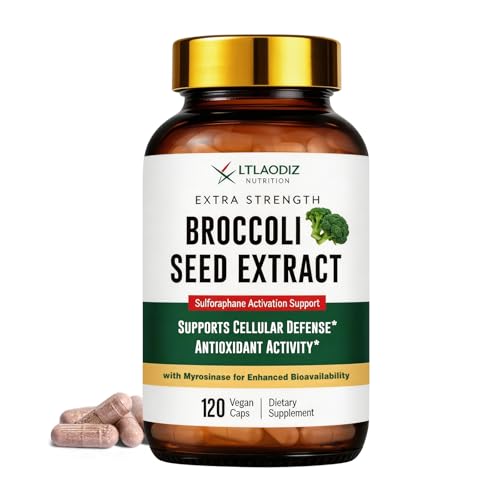
- Nutramax Laboratories Avmacol Regular Strength
tablets, 2 tablets daily — Sulforaphane-producing supplement used in human clinical trials; uses a glucoraphanin + active myrosinase Sulforaphane Production System - Swanson Sulforaphane Broccoli Sprout Extract
capsules, 1 capsule (400 mcg) daily — Budget-friendly option standardized to 0.4% sulforaphane from BroccoPhane concentrate - Source Naturals Broccoli Sprouts Extract
tablets, 1 tablet daily — Delivers 2,000 mcg sulforaphane per serving from freshly germinated broccoli sprouts - Nova Nutritions Broccoli Sprout Extract 1000mg
capsules, 1 capsule daily — Broccoli sprout extract; entry-level price point
As an Amazon Associate we earn from qualifying purchases. Sulforaphane quality depends on conversion, not price. Prefer a product that supplies active myrosinase or pre-converted stabilized sulforaphane rather than glucoraphanin alone, and look for a batch-specific certificate of analysis stating actual glucoraphanin or sulforaphane content, since a label that headlines sulforaphane while the supplement facts list only broccoli sprout extract gives you no way to verify potency.
A Note on the Evidence
The evidence connecting sulforaphane to exercise recovery is early and limited to a small number of studies on oxidative stress markers and mechanistic reviews, not large trials measuring soreness, strength, or performance outcomes. This is informational, not medical advice; talk to your doctor before starting any supplement, especially if you have a thyroid condition or are undergoing cancer treatment.
Frequently Asked Questions
Does sulforaphane reduce muscle soreness after exercise?
There isn’t yet strong human trial evidence directly measuring sulforaphane’s effect on delayed-onset muscle soreness. Current research has looked at broccoli powder’s effect on oxidative stress markers around a demanding exercise session [1], but that’s a different endpoint than felt soreness.
How does sulforaphane relate to exercise recovery mechanistically?
Sulforaphane activates the Nrf2 pathway, which turns on genes for the body’s own antioxidant and phase II detoxification enzymes. Since intense exercise increases reactive oxygen species production, the hypothesis is that Nrf2 activation could help the body manage that acute oxidative load, a mechanism discussed in the broader phytochemical and muscle-health literature [2].
Is broccoli powder the same as sulforaphane supplements?
Not exactly. Broccoli powder is a whole-food source of glucoraphanin, the precursor compound that myrosinase enzymes convert into active sulforaphane, while some supplements provide more concentrated or already-converted sulforaphane. The study on exercise recovery used broccoli powder specifically [1].

Can sulforaphane help with muscle atrophy or muscle function more broadly?
A review has examined sulforaphane, alongside curcumin, in relation to muscle function, recovery, and muscle atrophy therapy [2]. This reflects an area of active mechanistic interest, but it summarizes preclinical and mechanistic evidence rather than confirming a functional benefit in trained humans.
Are there any risks to taking sulforaphane around workouts?
Sulforaphane and broccoli sprout extract are generally well tolerated, though some people report GI upset at higher doses. Very high cruciferous vegetable intake may have a mild goitrogenic effect relevant to thyroid conditions, and anyone in active chemotherapy should consult their oncologist first, since interactions with certain regimens are possible.
Should I take sulforaphane specifically to improve recovery?
Based on current evidence, that would be premature. The research so far is limited to early studies on oxidative stress markers and mechanistic reviews [1][2], not established recovery outcomes like soreness or strength return. It’s reasonable to include broccoli sprouts as part of a varied diet, but framing it as a targeted recovery strategy outpaces the data.
References
- Cesanelli L et al. Effects of Short-Term Broccoli Powder Supplementation on Acute Oxidative Stress and Recovery Following a Metabolically Demanding Exercise Session. Antioxidants (Basel, Switzerland) (2026). PMID 41897523
- Vargas-Mendoza N et al. Phytochemicals in Skeletal Muscle Health: Effects of Curcumin (from Curcuma longa Linn) and Sulforaphane (from Brassicaceae) on Muscle Function, Recovery and Therapy of Muscle Atrophy. Plants (Basel, Switzerland) (2022). PMID 36235384
These statements have not been evaluated by the Food and Drug Administration. This information is not intended to diagnose, treat, cure, or prevent any disease. Content is for informational purposes only and is not medical advice; consult a qualified healthcare provider before starting any supplement. As an Amazon Associate we earn from qualifying purchases.
