Sulforaphane has drawn interest as a possible support for liver health because of its role in activating Nrf2, a pathway that regulates the body’s own antioxidant and detoxification enzymes. The liver is the body’s primary site of phase II detoxification, so a compound that upregulates those enzymes is a reasonable candidate for liver-focused research, particularly in conditions like nonalcoholic fatty liver disease (NAFLD), where oxidative stress and inflammation play a role.
The evidence base specific to sulforaphane and liver outcomes in humans is still small. This article covers the proposed mechanism, what a recent randomized controlled trial found, and where the honest limits of the current research sit. Nothing here should be read as a treatment recommendation for liver disease.
Key Takeaways
- Sulforaphane is formed from glucoraphanin via the enzyme myrosinase, and it activates the Nrf2 pathway, which upregulates the body’s own antioxidant and detoxification enzymes.
- A double-blind randomized controlled trial tested broccoli sprout supplementation combined with Pilates training on liver enzymes in women with NAFLD [1].
- Because the trial combined supplementation with exercise, it’s not possible to isolate the sprout supplement’s individual contribution from this study alone.
- The human evidence base connecting sulforaphane directly to liver outcomes is still small; this is an early and specific finding, not an established general claim.
- This information is educational and not a substitute for medical advice, especially for anyone with a diagnosed liver condition.
The proposed mechanism: how sulforaphane could relate to liver health
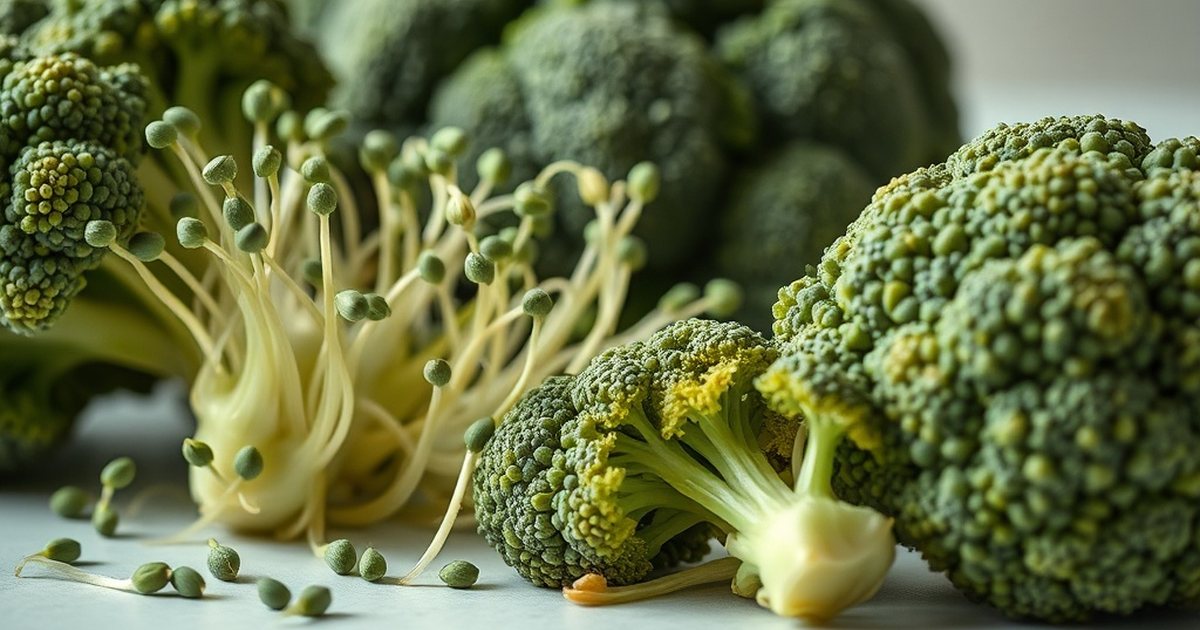
Sulforaphane itself isn’t present in raw broccoli or broccoli sprouts in meaningful amounts. Instead, these plants contain glucoraphanin, a precursor compound. When plant tissue is damaged, chewing, chopping, or blending, an enzyme called myrosinase converts glucoraphanin into active sulforaphane. This conversion step is why preparation method matters for anyone trying to get a meaningful sulforaphane dose from food or supplements.
Once formed, sulforaphane is one of the most studied natural activators of the Nrf2 pathway (nuclear factor erythroid 2-related factor 2). Nrf2 acts as a switch that turns up the body’s own production of antioxidant and phase II detoxification enzymes, the same enzyme systems the liver relies on to process and clear a wide range of compounds. Because of this, researchers have proposed that sulforaphane could support liver enzyme balance and reduce markers of oxidative stress, which is the rationale behind testing it directly in a liver disease population.

What the human trial actually tested
The most directly relevant evidence available here is a double-blind, randomized controlled trial that tested broccoli sprout supplementation, combined with Pilates training, in women with nonalcoholic fatty liver disease [1]. The study measured liver enzymes, a standard marker used to assess liver strain and function, as its outcome of interest.
This design matters for interpretation: the trial combined a supplement with an exercise intervention rather than testing broccoli sprout supplementation in isolation. That combination reflects a real-world approach to NAFLD management, where diet, supplementation, and physical activity are often addressed together, but it also means the study can’t fully separate how much of any effect came from the sprout supplement alone versus the Pilates training.
NAFLD as a research target
Nonalcoholic fatty liver disease is characterized by fat accumulation in the liver not caused by alcohol use, and it’s associated with oxidative stress and low-grade inflammation. That biological profile is part of why researchers chose this population to test a compound believed to work through Nrf2-mediated antioxidant support [1].
Liver enzyme levels (commonly ALT and AST, though the specific panel used should be checked in the full study) are a standard, non-invasive marker used in this kind of research. They reflect liver cell strain but are not a complete picture of liver health on their own, so results tied to enzyme changes should be read as one data point rather than a full verdict on liver disease progression or reversal.
How this fits into the broader evidence picture
Outside of the trial cited above, most of what’s known about sulforaphane’s effect on Nrf2 and phase II detoxification enzymes comes from mechanistic and preclinical research rather than large human liver-outcome trials. That gap is worth being direct about: a single randomized controlled trial in one population (women with NAFLD, paired with Pilates) is a meaningful data point, but it is not the same as an established, broadly replicated finding for liver health in general [1].

Readers looking for sulforaphane’s liver-related evidence should treat this as an early, specific signal, tested in a defined population and intervention combination, rather than a general claim that sulforaphane improves liver health for everyone.
Practical considerations if you're evaluating sulforaphane sources
Because the enzyme myrosinase is required to convert glucoraphanin into active sulforaphane, and myrosinase can be destroyed by heat, how broccoli or broccoli sprouts are prepared affects how much active compound is actually available. Supplement products vary in how they preserve or supply this conversion, which is a relevant detail if comparing sources rather than a specific liver-health claim.
None of this changes the core point: the direct human evidence tying sulforaphane or broccoli sprout supplementation to liver outcomes is currently limited to a small set of studies, including the NAFLD trial referenced above [1], and broader conclusions should wait for more replication.
🛒 Where to Buy Sulforaphane
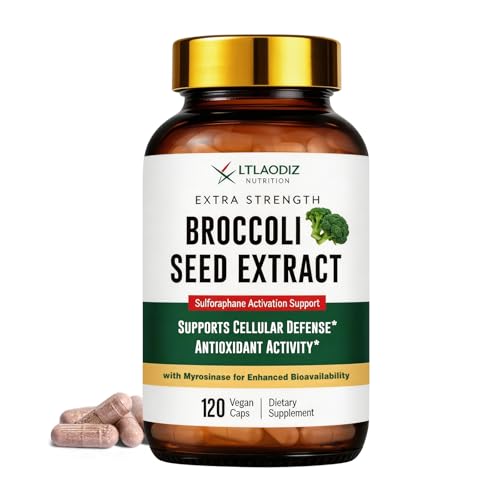
- Nutramax Laboratories Avmacol Regular Strength
tablets, 2 tablets daily — Sulforaphane-producing supplement used in human clinical trials; uses a glucoraphanin + active myrosinase Sulforaphane Production System - Swanson Sulforaphane Broccoli Sprout Extract
capsules, 1 capsule (400 mcg) daily — Budget-friendly option standardized to 0.4% sulforaphane from BroccoPhane concentrate - Source Naturals Broccoli Sprouts Extract
tablets, 1 tablet daily — Delivers 2,000 mcg sulforaphane per serving from freshly germinated broccoli sprouts - Nova Nutritions Broccoli Sprout Extract 1000mg
capsules, 1 capsule daily — Broccoli sprout extract; entry-level price point
As an Amazon Associate we earn from qualifying purchases. Sulforaphane quality depends on conversion, not price. Prefer a product that supplies active myrosinase or pre-converted stabilized sulforaphane rather than glucoraphanin alone, and look for a batch-specific certificate of analysis stating actual glucoraphanin or sulforaphane content, since a label that headlines sulforaphane while the supplement facts list only broccoli sprout extract gives you no way to verify potency.
A Note on the Evidence
This article is informational, not medical advice; the human evidence on sulforaphane and liver outcomes is currently limited to a small number of studies, and anyone with a liver condition, thyroid condition, or undergoing cancer treatment should consult their doctor before using sulforaphane or broccoli sprout supplements.
Frequently Asked Questions
Does sulforaphane cure or reverse fatty liver disease?
No. The available evidence, including a trial testing broccoli sprout supplementation alongside Pilates training in women with NAFLD, looked at liver enzyme changes, not disease reversal or cure [1]. Claims of curing liver disease go beyond what the evidence supports.
What's the difference between broccoli, broccoli sprouts, and sulforaphane supplements?
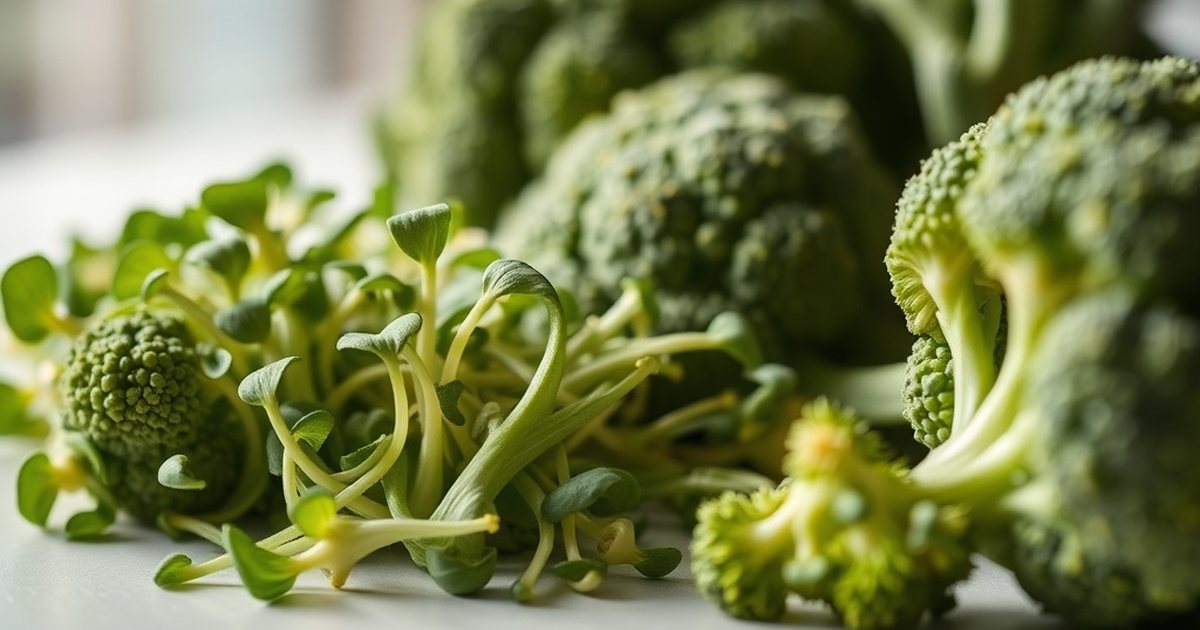
Broccoli and broccoli sprouts contain glucoraphanin, which must be converted to active sulforaphane by the enzyme myrosinase, typically during chopping, chewing, or blending. Supplements vary in how they deliver or preserve this conversion process, which affects how much active sulforaphane a person actually gets.
Is the liver research on sulforaphane based on humans or animals?
The specific evidence cited here is a human double-blind randomized controlled trial in women with nonalcoholic fatty liver disease [1]. Much of the broader mechanistic understanding of Nrf2 activation comes from preclinical research, so the human liver-specific evidence base remains comparatively small.

Can sulforaphane replace exercise or diet changes for liver health?
The referenced trial tested broccoli sprout supplementation and Pilates training, alone and combined, and found no significant change in liver enzymes [1]. There’s no evidence here that supplementation can substitute for physical activity or broader lifestyle changes in managing NAFLD.
Are there safety concerns with sulforaphane or broccoli sprout extract?
Sulforaphane and broccoli sprout extract are not FDA-evaluated as drugs and are generally well tolerated, though some people report GI upset at higher doses. Very high cruciferous vegetable intake may have a mild goitrogenic effect relevant to thyroid conditions, and sulforaphane may interact with certain chemotherapy regimens.
Who should be cautious about sulforaphane supplementation?
Anyone with a thyroid condition should be aware of the mild goitrogenic potential of very high cruciferous intake, and anyone in active cancer treatment should consult their oncologist first, since sulforaphane may interact with certain chemotherapy regimens. Anyone with a diagnosed liver condition should discuss supplementation with their doctor rather than self-treating.
References
- Ghorbanian K et al. Effects of Broccoli Sprout Supplementation and Pilates Training on Liver Enzymes in Women with Nonalcoholic Fatty Liver Disease: A Double-Blind, Randomized Controlled Trial. Plant foods for human nutrition (Dordrecht, Netherlands) (2026). PMID 42228225
These statements have not been evaluated by the Food and Drug Administration. This information is not intended to diagnose, treat, cure, or prevent any disease. Content is for informational purposes only and is not medical advice; consult a qualified healthcare provider before starting any supplement. As an Amazon Associate we earn from qualifying purchases.
