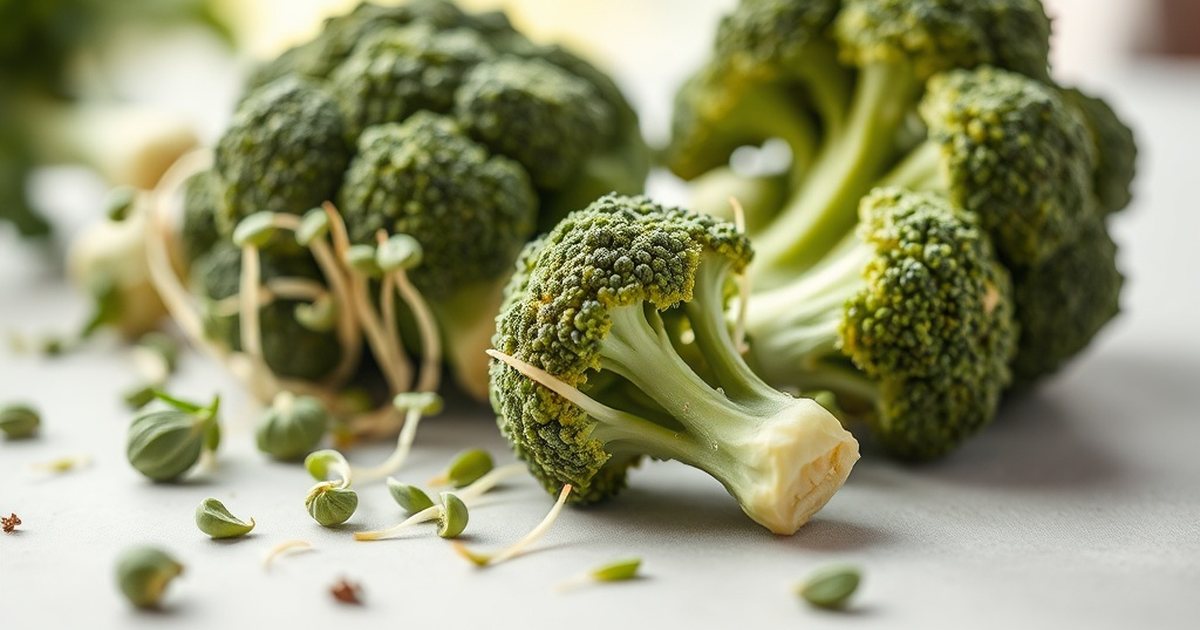
Sulforaphane (SFN) is an isothiocyanate formed when the glucosinolate glucoraphanin in broccoli, broccoli sprouts, and related cruciferous vegetables is hydrolyzed by the enzyme myrosinase. Because of its ability to activate cellular defense pathways, SFN has attracted considerable interest as a potential chemopreventive agent.
While laboratory studies show promising effects, human data remain limited to small pilot and phase II trials. This article summarizes the mechanistic rationale and the key clinical investigations that have examined sulforaphane for cancer prevention, using only the peer‑reviewed sources provided.
Key Takeaways
- Sulforaphane activates the Nrf2 antioxidant pathway and inhibits HDACs, providing a mechanistic basis for its chemopreventive effects.
- Clinical trials have examined SFN in bladder, oral, breast, and prostate cancers, primarily showing biomarker changes rather than definitive clinical endpoints.
- Detoxification studies in smokers demonstrate increased excretion of tobacco carcinogen metabolites after broccoli sprout extract intake.
- Short‑term broccoli sprout consumption appears safe for thyroid function, but individuals with thyroid disease should monitor intake.
- Because most human data come from small or pilot studies, sulforaphane cannot be recommended as a guaranteed cancer preventive; medical advice should be sought before using supplements, especially during active cancer treatment.
Mechanisms of Action: Nrf2 Activation and Epigenetic Modulation
Sulforaphane is best known as a potent activator of the Nrf2 (nuclear factor erythroid 2–related factor 2) pathway, which drives transcription of antioxidant and phase II detoxification enzymes such as glutathione S‑transferases and NAD(P)H quinone dehydrogenase 1. This upregulation enhances the cell’s capacity to neutralize electrophilic carcinogens and oxidative stress. [1]
In addition to Nrf2 signaling, SFN inhibits histone deacetylases (HDACs), leading to increased histone acetylation and altered expression of genes involved in cell cycle arrest, apoptosis, and differentiation. This epigenetic mechanism contributes to its chemopreventive activity across multiple tissue types. [2] [3]

Bladder Cancer Prevention: Targeted Molecular Approaches
Preclinical models have shown that sulforaphane can inhibit bladder tumor growth by modulating pathways related to inflammation, oxidative stress, and apoptosis. A focused review highlighted these molecular mechanisms and suggested that SFN’s ability to induce phase II enzymes and arrest the cell cycle makes it a promising candidate for bladder cancer chemoprevention. [4]
Oral Cancer: Carcinogen Inhibition Models
In a rodent model of carcinogen‑induced oral cancer, dietary sulforaphane significantly reduced tumor incidence and multiplicity. The protective effect was associated with increased detoxification enzyme activity and decreased proliferative markers in the oral mucosa. [5]
Breast Cancer: Presurgical Window Trial
A presurgical‑window study gave patients with early‑stage breast cancer a broccoli sprout extract rich in sulforaphane for several weeks before surgery. Biomarker analysis showed increased expression of Nrf2‑target genes in tumor tissue, indicating biological activity, although the trial was not powered to assess clinical outcomes. [6]
Prostate Cancer: Recurrent Disease Supplementation
Men with recurrent prostate cancer who received a sulforaphane‑rich broccoli sprout extract in a phase II trial exhibited stable PSA levels and favorable changes in oxidative stress biomarkers compared with placebo. The study suggested a potential role for SFN in delaying progression, though larger, longer‑term studies are needed. [7]

Detoxification of Tobacco Carcinogens and Thyroid Safety
A randomized crossover trial in current smokers found that a broccoli seed and sprout extract increased the urinary excretion of toxic metabolites of tobacco‑derived carcinogens, supporting the concept that sulforaphane enhances xenobiotic detoxification. [8] [9]
Safety evaluations have shown that a 12‑week course of a broccoli sprout beverage did not alter thyroid hormone levels or autoimmune thyroid markers in healthy adults, indicating that typical dietary doses are unlikely to impair thyroid function. [10]
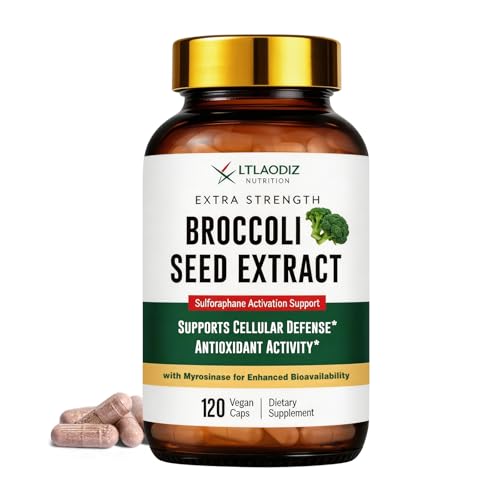
🛒 Where to Buy Sulforaphane
- Nutramax Laboratories Avmacol Regular Strength
tablets, 2 tablets daily — Sulforaphane-producing supplement used in human clinical trials; uses a glucoraphanin + active myrosinase Sulforaphane Production System - Swanson Sulforaphane Broccoli Sprout Extract
capsules, 1 capsule (400 mcg) daily — Budget-friendly option standardized to 0.4% sulforaphane from BroccoPhane concentrate - Source Naturals Broccoli Sprouts Extract
tablets, 1 tablet daily — Delivers 2,000 mcg sulforaphane per serving from freshly germinated broccoli sprouts - Nova Nutritions Broccoli Sprout Extract 1000mg
capsules, 1 capsule daily — Broccoli sprout extract; entry-level price point
As an Amazon Associate we earn from qualifying purchases. Sulforaphane quality depends on conversion, not price. Prefer a product that supplies active myrosinase or pre-converted stabilized sulforaphane rather than glucoraphanin alone, and look for a batch-specific certificate of analysis stating actual glucoraphanin or sulforaphane content, since a label that headlines sulforaphane while the supplement facts list only broccoli sprout extract gives you no way to verify potency.
A Note on the Evidence
Most evidence comes from preclinical models or small human trials; sulforaphane has not been proven to prevent cancer in the general population. Individuals with thyroid or general public should consult a physician before using sulforaphane supplements, especially if they are pregnant, have thyroid disease, or are receiving chemotherapy.
Frequently Asked Questions
What is sulforaphane and how is it formed?
Sulforaphane is an isothiocyanate produced when the enzyme myrosinase converts glucoraphanin, a glucosinolate found in broccoli and broccoli sprouts, into its active form. This reaction occurs when the plant tissue is chopped or chewed.
Does sulforaphane directly treat cancer?
Current research does not support sulforaphane as a standalone cancer treatment. Human studies have focused on cancer prevention or biomarker modulation, not on tumor shrinkage or survival benefits.
Which cancers have been studied with sulforaphane supplementation?
Clinical investigations have examined sulforaphane‑rich broccoli sprout extracts in bladder, oral, breast, and prostate cancers, primarily measuring intermediate endpoints such as enzyme activity, PSA levels, or tumor biomarkers.

Is sulforaphane safe for people with thyroid conditions?
A 12‑week randomized trial found no adverse effects on thyroid hormone levels or autoimmune thyroid markers in healthy adults, but individuals with existing thyroid disease should consult a healthcare provider before increasing cruciferous intake.
Can sulforaphane interact with chemotherapy?
Preclinical data suggest that sulforaphane may affect the metabolism of certain chemotherapeutic agents; therefore, anyone undergoing active cancer treatment should discuss supplement use with their oncologist.
How much sulforaphane is used in research studies?
Clinical trials have used broccoli sprout extracts providing roughly 10–30 µmol of sulforaphane per day, which corresponds to several grams of fresh sprouts or a standardized extract; optimal dosing for prevention has not been established.
References
- Ullah MF et al. Sulforaphane (SFN): An Isothiocyanate in a Cancer Chemoprevention Paradigm. Medicines (Basel, Switzerland) (2015). PMID 28930206
- Tortorella SM et al. Dietary Sulforaphane in Cancer Chemoprevention: The Role of Epigenetic Regulation and HDAC Inhibition. Antioxidants & redox signaling (2015). PMID 25364882
- Jiang X et al. Chemopreventive activity of sulforaphane. Drug design, development and therapy (2018). PMID 30254420
- Leone A et al. Sulforaphane for the chemoprevention of bladder cancer: molecular mechanism targeted approach. Oncotarget (2017). PMID 28423681
- Bauman JE et al. Prevention of Carcinogen-Induced Oral Cancer by Sulforaphane. Cancer prevention research (Philadelphia, Pa.) (2016). PMID 27339168
- Wang Z et al. A Presurgical-Window Intervention Trial of Isothiocyanate-Rich Broccoli Sprout Extract in Patients with Breast Cancer. Molecular nutrition & food research (2022). PMID 35475592
- Alumkal JJ et al. A phase II study of sulforaphane-rich broccoli sprout extracts in men with recurrent prostate cancer. Investigational new drugs (2015). PMID 25431127
- Bauman JE et al. Randomized Crossover Trial Evaluating Detoxification of Tobacco Carcinogens by Broccoli Seed and Sprout Extract in Current Smokers. Cancers (2022). PMID 35565256
- Abdull Razis AF et al. Isothiocyanates and Xenobiotic Detoxification. Molecular nutrition & food research (2018). PMID 29288567
- Chartoumpekis DV et al. Broccoli sprout beverage is safe for thyroid hormonal and autoimmune status: Results of a 12-week randomized trial. Food and chemical toxicology : an international journal published for the British Industrial Biological Research Association (2019). PMID 30735751
These statements have not been evaluated by the Food and Drug Administration. This information is not intended to diagnose, treat, cure, or prevent any disease. Content is for informational purposes only and is not medical advice; consult a qualified healthcare provider before starting any supplement. As an Amazon Associate we earn from qualifying purchases.
