Sulforaphane isn’t a nutrient your body stores and releases on a schedule, like caffeine or melatonin. It’s a reactive plant compound that has to be generated first, from a stable precursor called glucoraphanin, through an enzyme reaction that only happens under the right conditions. That makes ‘when to take sulforaphane’ less about circadian timing and more about how you’re getting the compound into your body in a form it can actually absorb.
This article walks through the practical side: how the glucoraphanin-to-sulforaphane conversion actually works, why food and supplement form change the calculus, and what a reasonable daily routine looks like. None of this is medical advice, and where the science is thin or mixed, we’ll say so directly.
Key Takeaways
- Sulforaphane timing is mostly about preparation, not clock time, since it has to be converted from glucoraphanin via the myrosinase enzyme before your body can use it
- Chopping, chewing, or blending fresh broccoli or sprouts triggers the conversion; overcooking can deactivate the myrosinase enzyme needed to make it happen
- There’s no strong evidence for a specific optimal time of day (morning vs. evening); consistency and tolerability matter more than exact timing
- Taking it with food is a reasonable way to reduce mild GI upset, though there’s no clear evidence dietary fat is required for absorption
- Check whether a supplement includes active myrosinase or is glucoraphanin-only, since that affects how reliably it converts to active sulforaphane in your gut
Why timing questions come up for sulforaphane specifically
Most supplement timing advice is about absorption windows or interactions with meals, sleep, or exercise. Sulforaphane timing is a different problem. Broccoli and broccoli sprouts contain glucoraphanin, an inactive precursor, sitting in the plant cells right next to an enzyme called myrosinase. As long as the plant cells stay intact, the two never meet. Chewing, chopping, blending, or otherwise damaging the plant tissue is what brings glucoraphanin and myrosinase into contact, and that reaction is what produces active sulforaphane.
So the more useful question isn’t ‘morning or night,’ it’s ‘am I doing anything to trigger or preserve that conversion before the compound reaches my gut.’ That reframes the whole topic around preparation and product choice rather than clock time.

The myrosinase problem: why cooking and processing matter more than clock time
Myrosinase is a heat-sensitive enzyme. Steaming, boiling, or otherwise cooking broccoli for more than a few minutes can deactivate it, which means chopped or chewed broccoli that’s been cooked hard may deliver very little active sulforaphane, even though the glucoraphanin is still present. Lightly steaming broccoli for a short time (some cooks aim for roughly 3-4 minutes) is commonly suggested as a middle ground that softens the vegetable while leaving some myrosinase activity intact, though exact retention varies by method and equipment.
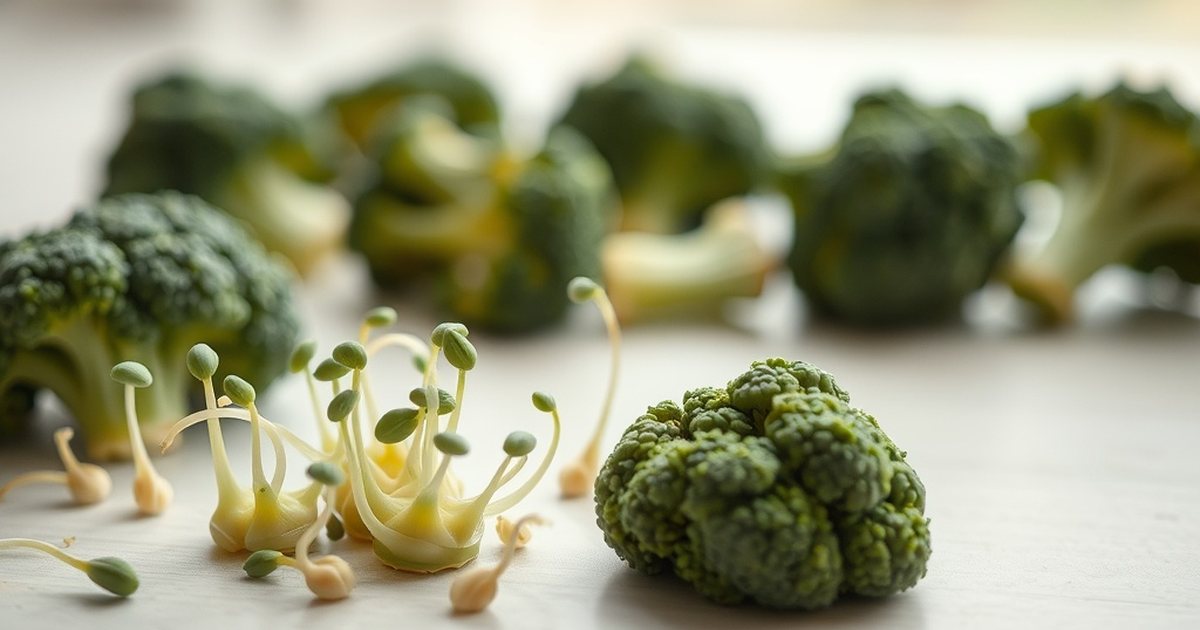
This is also why broccoli sprouts get so much attention: young sprouts tend to have a much higher glucoraphanin concentration than mature broccoli heads, so even partial conversion can yield a meaningful sulforaphane dose. Freeze-dried broccoli sprout powders and extracts are popular partly because they preserve the precursor and, in some products, active myrosinase, in a shelf-stable form.
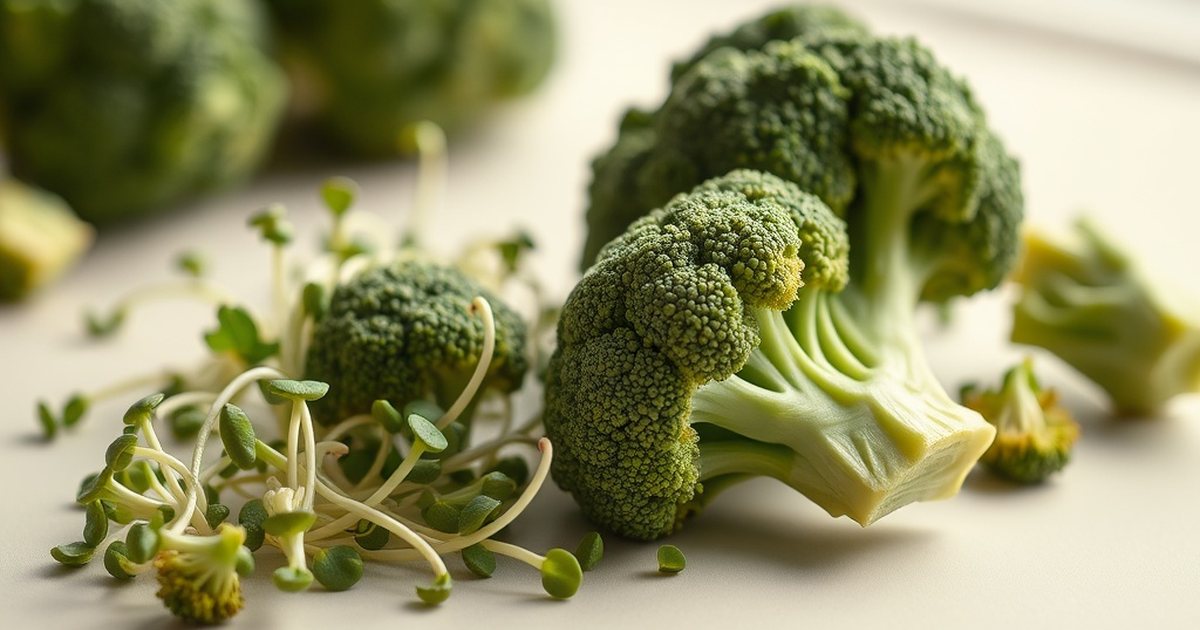
For supplements specifically, check whether the product is a ‘stabilized’ glucoraphanin-plus-myrosinase combination, an active sulforaphane extract, or glucoraphanin alone without added myrosinase. Each behaves differently once it hits your gut, which affects how much active compound you actually end up with.
Does taking sulforaphane with or without food change absorption?
Sulforaphane is a small, lipophilic (fat-soluble-leaning) molecule that’s absorbed quickly in the small intestine once it’s in its active form. Because it’s not a fat-soluble vitamin that requires dietary fat for absorption the way vitamin D or K does, there isn’t strong evidence that taking it with a high-fat meal is necessary. Stomach acidity, rather than dietary fat, is the stomach-side variable with actual human data behind it: in a pilot study, participants excreted more sulforaphane metabolites from a myrosinase-containing extract while taking a proton pump inhibitor than before starting it, and an enteric coating improved conversion further[1]. That is a small pilot and not a reason to change any medication, but it does suggest the enzyme in a co-delivered product is vulnerable in the stomach. That said, taking any supplement with food is a reasonable default for reducing the mild GI upset (nausea, stomach discomfort) that some people report at higher doses. A placebo-controlled phase I study of broccoli sprout extracts in healthy volunteers was conducted specifically to establish safety, tolerance and pharmacokinetics before efficacy trials were run[2]; formal dose-ranging of that kind is the reason label instructions for a tested product are worth more than a general rule of thumb.

A separate and more important consideration is gut myrosinase activity. If you’re taking a glucoraphanin-only product without added plant or bacterial myrosinase, some conversion to active sulforaphane can still happen via myrosinase-like activity from gut bacteria, but this varies significantly between individuals and is generally considered less reliable than conversion from active myrosinase in the food or supplement itself. This is a meaningful reason some people find sprout-based sources or myrosinase-included products give a more consistent effect than glucoraphanin alone.
Morning vs. evening: is there an ideal time of day?
There’s no established research pointing to a specific time of day, morning versus evening, as measurably better for sulforaphane’s effects. Unlike stimulants or sleep-affecting supplements, sulforaphane doesn’t have a well-documented mechanism that would make it particularly disruptive at night or particularly synergistic in the morning for most healthy adults.
In practice, the more useful frame is consistency and tolerability rather than optimal clock time. Some people prefer taking broccoli sprout supplements with breakfast or lunch simply because that’s when they’re least likely to forget, or because taking it on a fuller stomach minimizes any GI discomfort. If you notice it affects your sleep or energy in any way, that’s a signal to adjust your own routine, not evidence of a universal best time.
Splitting doses vs. one daily dose
Because sulforaphane doesn’t have a long circulating half-life in the body, some people choose to split their intake across two meals rather than taking one larger dose, on the theory that repeated smaller exposures might sustain Nrf2 pathway activation more evenly across the day than a single spike. This has actually been tested head-to-head, and the result is a genuine split decision. In a randomised crossover trial, healthy adults took 200 umol of sulforaphane per day either as a single dose or as two 100-umol doses twelve hours apart; the twice-daily schedule held plasma metabolite levels higher at the later timepoints, exactly as the pharmacokinetic reasoning predicts[3]. What the same trial did NOT find was any corresponding dose response in the molecular targets it measured. So splitting does appear to smooth exposure, but the evidence stops short of showing that the smoother curve translates into a better outcome – which is why the practical advice below stays modest.
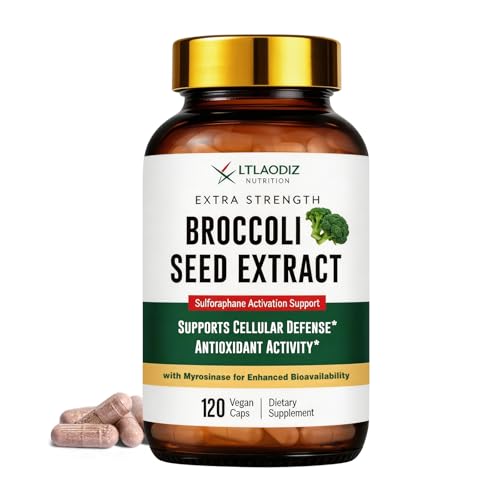
If you’re using a food source, like a daily serving of broccoli sprouts, splitting it across two meals is a low-effort way to hedge, and it also spreads out any GI upset. If you’re using a standardized supplement, following the label’s dosing instructions is more important than trying to reverse-engineer an optimal split, since the product’s tested dose and conversion rate are specific to how it was formulated.
Sulforaphane Dosage & Cost Calculator
Based on the labeled dose options for 50MG Sulforaphane Broccoli Sprout Beadlets and the published 60-count bottle at $49.95.
Open the full dosage & cost calculator →
Estimate only – based on the current listed price of the 60-count 50MG Sulforaphane Broccoli Sprout Beadlets bottle. Actual Amazon price can change; check the live price before buying.
Why no height/weight input? Unlike per-kg supplements (creatine, protein), Sulforaphane has no published bodyweight-adjusted dosing in the research behind it. This calculator doesn't fabricate a per-kg formula that doesn't exist in the literature.
Get 50MG Sulforaphane Broccoli Sprout Beadlets on Amazon(paid link) As an Amazon Associate we earn from qualifying purchases.
Practical takeaways for building a routine
Put together, a reasonable routine looks less like ‘take it at 8am’ and more like: choose a source (fresh sprouts, lightly steamed broccoli, or a standardized supplement) where you understand whether myrosinase is active or intact, prepare or take it in the way that preserves that conversion (chew or chop fresh sources thoroughly, avoid hard cooking, follow supplement instructions), and take it with food if you’re prone to GI sensitivity. Consistency day to day likely matters more than which specific hour you choose.
🛒 Where to Buy Sulforaphane
- Nutramax Laboratories Avmacol Regular Strength
tablets, 2 tablets daily — Sulforaphane-producing supplement used in human clinical trials; uses a glucoraphanin + active myrosinase Sulforaphane Production System - Swanson Sulforaphane Broccoli Sprout Extract
capsules, 1 capsule (400 mcg) daily — Budget-friendly option standardized to 0.4% sulforaphane from BroccoPhane concentrate - Source Naturals Broccoli Sprouts Extract
tablets, 1 tablet daily — Delivers 2,000 mcg sulforaphane per serving from freshly germinated broccoli sprouts - Nova Nutritions Broccoli Sprout Extract 1000mg
capsules, 1 capsule daily — Broccoli sprout extract; entry-level price point
As an Amazon Associate we earn from qualifying purchases. Sulforaphane quality depends on conversion, not price. Prefer a product that supplies active myrosinase or pre-converted stabilized sulforaphane rather than glucoraphanin alone, and look for a batch-specific certificate of analysis stating actual glucoraphanin or sulforaphane content, since a label that headlines sulforaphane while the supplement facts list only broccoli sprout extract gives you no way to verify potency.

A Note on the Evidence
Sulforaphane and broccoli sprout extract are not FDA-evaluated as drugs, and much of the timing and dosing guidance here reflects general mechanistic reasoning rather than large-scale human trials. This is informational only, not medical advice; talk to a doctor before starting supplementation, especially if you have a thyroid condition or are undergoing cancer treatment.
Frequently Asked Questions
Should I take sulforaphane on an empty stomach or with food?
There’s no strong evidence that food is required for absorption, but taking it with a meal is a reasonable default if you’re prone to GI upset at higher doses. Follow your specific product’s label instructions.
Is it better to eat raw broccoli sprouts or take a supplement?
Both can work, but they behave differently: fresh sprouts rely on you chewing them thoroughly to trigger the myrosinase reaction, while supplements vary by whether they include active myrosinase, glucoraphanin alone, or pre-formed sulforaphane. Check the label to understand what you’re actually getting.
Does cooking broccoli destroy sulforaphane?
Cooking doesn’t destroy the glucoraphanin precursor itself, but it can deactivate the myrosinase enzyme needed to convert it into active sulforaphane. Lightly steaming for a short time is commonly suggested as a way to soften the vegetable while preserving some enzyme activity, though this varies by method.

Can I take sulforaphane at night without affecting sleep?
There’s no well-documented mechanism suggesting sulforaphane disrupts sleep for most healthy adults, so evening use isn’t inherently problematic. If you notice any personal effect on sleep or energy, that’s a reason to adjust your own timing rather than evidence of a universal rule.
Do I need to take sulforaphane every day to get a benefit?
Most of the interest in sulforaphane centers on sustained, regular activation of the Nrf2 antioxidant pathway rather than a one-time effect, so consistent daily or near-daily intake is the more common approach in both research and practical use. Occasional use is unlikely to be harmful, but it’s a different exposure pattern than what’s typically studied.
Is it safe to combine broccoli sprout supplements with medication?
Generally well tolerated, but very high cruciferous intake may have a mild goitrogenic effect relevant to thyroid conditions, and sulforaphane may interact with certain chemotherapy regimens. Anyone in active cancer treatment or with a thyroid condition should talk to their doctor or oncologist before adding it.
References
- Fahey JW et al. Bioavailability of sulforaphane following ingestion of glucoraphanin-rich broccoli sprout and seed extracts with active myrosinase: a pilot study of the effects of proton pump inhibitor administration. Nutrients (2019). PMID 31261930
- Shapiro TA et al. Safety, tolerance, and metabolism of broccoli sprout glucosinolates and isothiocyanates: a clinical phase I study. Nutr Cancer (2006). PMID 16965241
- Atwell LL et al. Absorption and chemopreventive targets of sulforaphane in humans following consumption of broccoli sprouts or a myrosinase-treated broccoli sprout extract. Mol Nutr Food Res (2015). PMID 25522265
These statements have not been evaluated by the Food and Drug Administration. This information is not intended to diagnose, treat, cure, or prevent any disease. Content is for informational purposes only and is not medical advice; consult a qualified healthcare provider before starting any supplement. As an Amazon Associate we earn from qualifying purchases.
