Avmacol is a broccoli-seed-and-sprout extract supplement built around a specific idea: instead of dosing pre-formed sulforaphane, it supplies glucoraphanin (the stable precursor compound) alongside an active myrosinase enzyme source, so the conversion to sulforaphane happens inside the gut after you swallow the capsule. This mirrors what happens naturally when you chew raw broccoli or broccoli sprouts, where plant myrosinase meets glucoraphanin and triggers the same reaction.
This article walks through how that mechanism works, why the glucoraphanin-myrosinase pairing matters more than raw sulforaphane content on a label, what’s genuinely well-established about sulforaphane’s biology versus what remains early-stage, and who should be cautious. It is written for people trying to understand the product category, not as an endorsement or a substitute for medical advice.
Key Takeaways
- Avmacol pairs glucoraphanin (the stable broccoli seed precursor) with an active myrosinase source so sulforaphane forms reliably after ingestion, rather than relying on unpredictable gut bacteria conversion.
- The Nrf2 activation mechanism behind sulforaphane’s proposed benefits is well-characterized in mechanistic research, but large, definitive human outcome trials are still limited.
- No sulforaphane product, including Avmacol, is FDA-evaluated as a drug or proven to treat or prevent disease.
- Mild GI upset is the most commonly reported side effect; thyroid conditions and active chemotherapy are specific situations warranting a doctor’s input first.
- Product quality and consistent glucosinolate sourcing matter more for real-world effectiveness than marketing claims about sulforaphane ‘potency.’
The Core Mechanism: Glucoraphanin, Myrosinase, and Nrf2
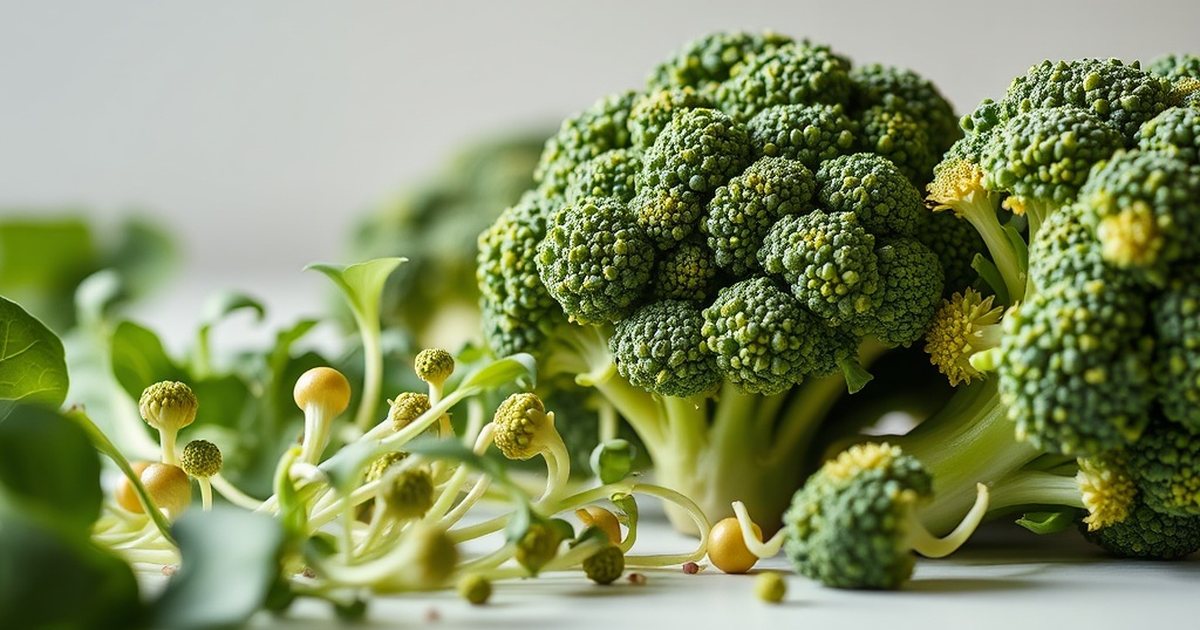
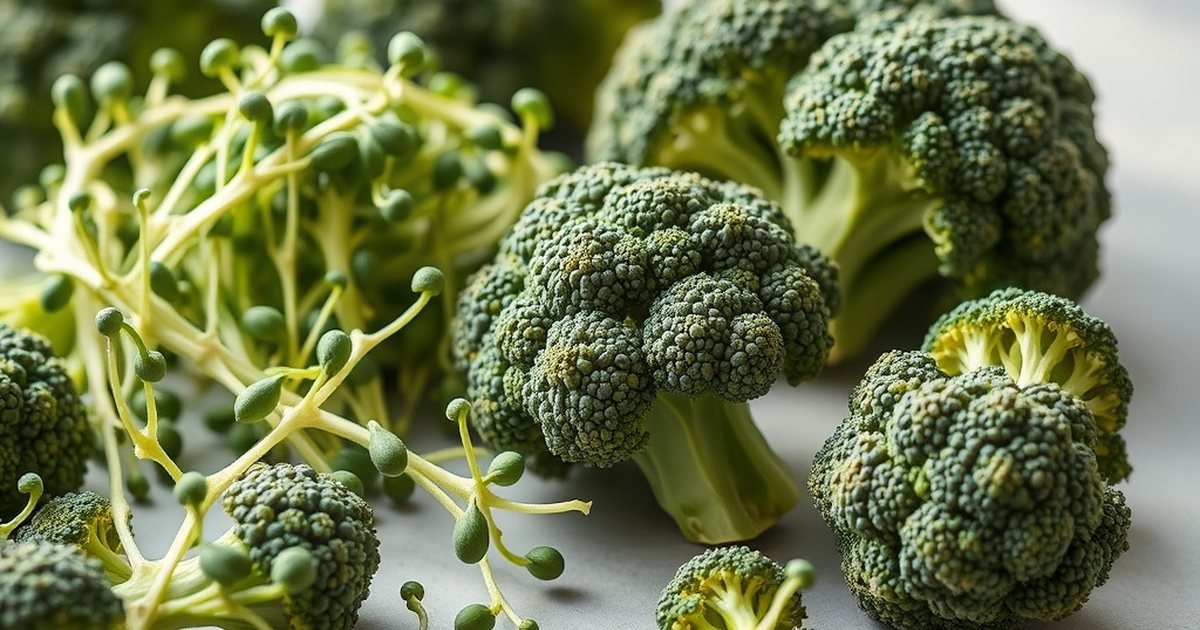
Broccoli and broccoli sprouts don’t contain much free sulforaphane. They contain glucoraphanin, a glucosinolate that is biologically inert until it’s broken down. When plant cells are damaged (by chewing, blending, or digestion), the enzyme myrosinase is released from a separate cellular compartment and comes into contact with glucoraphanin, hydrolyzing it into sulforaphane. This is why intact, unchewed cruciferous vegetables deliver far less sulforaphane than the same vegetables chopped, chewed thoroughly, or sprouted.
Once formed, sulforaphane is absorbed and acts as an indirect antioxidant: rather than neutralizing free radicals directly, it activates the Keap1-Nrf2 signaling pathway. Nrf2 is a transcription factor that, once released from its regulatory partner Keap1, moves into the cell nucleus and turns on a broad set of phase II detoxification and antioxidant enzyme genes, things like glutathione S-transferases and NAD(P)H quinone dehydrogenase. This is considered one of the more well-characterized mechanisms in the cruciferous vegetable research literature, and it’s the reason sulforaphane is often described as an indirect antioxidant that upregulates the body’s own defense systems rather than acting as an antioxidant itself in the way vitamin C does.
Why Avmacol's Formula Approach Differs From Plain Sulforaphane Pills
A supplement can approach sulforaphane delivery in a few different ways: providing pre-formed, stabilized sulforaphane directly; providing glucoraphanin alone and hoping gut bacteria can convert some of it; or providing glucoraphanin paired with an active myrosinase source (often from mustard seed) so conversion happens reliably in the upper digestive tract. Avmacol uses the third approach, pairing broccoli seed extract (glucoraphanin) with a myrosinase-active mustard seed component.

This design choice reflects a known limitation in the field: gut bacteria can convert some glucoraphanin to sulforaphane on their own, but that conversion is inconsistent between individuals and often inefficient. Supplying an active myrosinase source alongside the precursor is a more direct way to ensure conversion happens, since it doesn’t rely entirely on the makeup of a person’s gut microbiome. Pre-formed sulforaphane products avoid the conversion question entirely but face their own challenge, sulforaphane is a volatile, somewhat unstable compound, so formulation and shelf stability matter a great deal for those products.
Neither approach has been shown to be definitively superior for long-term health outcomes in large human trials, and this is worth being honest about. What’s better established is the underlying chemistry, that glucoraphanin-plus-active-myrosinase reliably produces measurable sulforaphane in the body, which is the basis for this category of product.
What's Well-Established Versus Early-Stage in the Evidence
The Nrf2 activation mechanism itself is well-established at the level of basic and mechanistic science, decades of laboratory and cell-culture work have mapped how sulforaphane engages Keap1-Nrf2 signaling. Human trials examining downstream health outcomes, cardiovascular markers, cancer prevention, cognitive or autism-spectrum symptom measures, and detoxification of environmental pollutants, exist but tend to be smaller, shorter in duration, and more heterogeneous in dosing and preparation than the mechanistic literature. Some of the more discussed human research areas include modest changes in oxidative stress and inflammatory markers, effects on liver detoxification enzyme activity, and exploratory work in neurodevelopmental and behavioral contexts.
It’s honest to say that the leap from ‘sulforaphane activates Nrf2 and upregulates detox enzymes in humans’ (reasonably well supported) to ‘taking this supplement will meaningfully change a specific health outcome for you’ (much less certain, and highly dependent on the outcome in question) is a real gap in the current evidence base. Anyone evaluating Avmacol or similar products should treat it as a way to reliably deliver a well-characterized bioactive compound, not as a treatment with proven clinical outcomes across the board.

Dosing, Format, and Practical Considerations
Avmacol is typically taken as capsules or chewable tablets, with the manufacturer’s suggested serving generally in the range of a few capsules per day, though exact dosing depends on the specific product line (standard, Advanced Joint Health formulations, etc.) and label instructions should be followed rather than assumptions from general sulforaphane research. Because the product relies on enzymatic conversion after ingestion, factors like taking it on an empty versus full stomach, or with substances that could denature the myrosinase enzyme, can plausibly affect how much sulforaphane is actually generated, though head-to-head human data quantifying this for Avmacol specifically is limited.
As with any supplement in this category, consistency of sourcing and third-party quality testing matter. Glucosinolate content in broccoli seed extracts can vary by batch and supplier, so a reputable brand with transparent sourcing and testing is a reasonable practical filter when comparing products, independent of any specific health claim.
Who Should Be Cautious
Sulforaphane and broccoli sprout extract are generally well tolerated, but some users report mild gastrointestinal upset, especially at higher doses. People with thyroid conditions should be aware that very high cruciferous vegetable or glucosinolate intake has a mild goitrogenic effect in some contexts, meaning it can interfere with iodine uptake by the thyroid, this is a dose-dependent consideration worth discussing with a doctor rather than a reason for blanket avoidance. Sulforaphane may also interact with certain chemotherapy regimens through its effects on detoxification enzyme pathways, so anyone in active cancer treatment should talk to their oncologist before adding this or similar supplements.
As always, this article is informational and not a substitute for individualized medical advice, particularly for anyone pregnant, on prescription medications metabolized through phase II detox pathways, or managing a chronic condition.
🛒 Where to Buy Sulforaphane
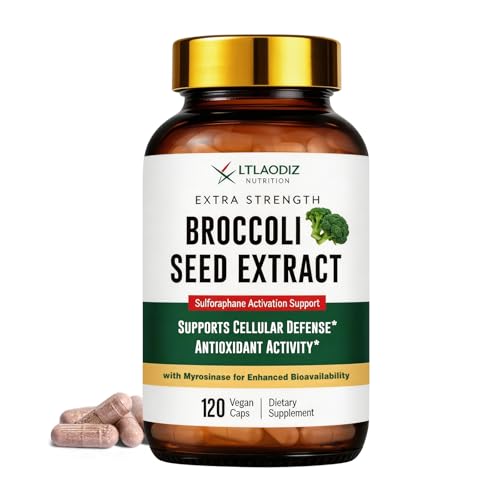
- Nutramax Laboratories Avmacol Regular Strength
tablets, 2 tablets daily — Sulforaphane-producing supplement used in human clinical trials; uses a glucoraphanin + active myrosinase Sulforaphane Production System - Swanson Sulforaphane Broccoli Sprout Extract
capsules, 1 capsule (400 mcg) daily — Budget-friendly option standardized to 0.4% sulforaphane from BroccoPhane concentrate - Source Naturals Broccoli Sprouts Extract
tablets, 1 tablet daily — Delivers 2,000 mcg sulforaphane per serving from freshly germinated broccoli sprouts - Nova Nutritions Broccoli Sprout Extract 1000mg
capsules, 1 capsule daily — Broccoli sprout extract; entry-level price point
As an Amazon Associate we earn from qualifying purchases. Sulforaphane quality depends on conversion, not price. Prefer a product that supplies active myrosinase or pre-converted stabilized sulforaphane rather than glucoraphanin alone, and look for a batch-specific certificate of analysis stating actual glucoraphanin or sulforaphane content, since a label that headlines sulforaphane while the supplement facts list only broccoli sprout extract gives you no way to verify potency.
A Note on the Evidence
Two published human trials used Avmacol by name. A 24-week double-blind, placebo-controlled trial gave 1,700 mg of Avmacol Extra Strength daily to 53 patients with schizophrenia against 24 on placebo, and reported a greater fall in PANSS negative symptom scores in the Avmacol arm [1]. A randomized crossover trial in 49 current smokers used Avmacol as the study extract and reported increased urinary excretion of the detoxified metabolites of benzene, acrolein and crotonaldehyde [2]. Both are small, both measure symptom scales or urinary markers rather than hard clinical outcomes, and neither shows that Avmacol treats or prevents any disease. The rest of this page describes category-level mechanistic science. It is informational only, not medical advice, and anyone with a thyroid condition, on chemotherapy, pregnant, or managing a chronic illness should consult a doctor before use.
Frequently Asked Questions
Does Avmacol contain sulforaphane directly, or does it form after you take it?
Avmacol supplies glucoraphanin, the stable precursor compound, along with an active myrosinase enzyme source, so sulforaphane forms through a chemical conversion after ingestion rather than being present in the capsule as free sulforaphane.
Is Avmacol backed by clinical trials?
Yes, and this is one of the few sulforaphane products where that is true, though the trials are small. Avmacol is named as the study product in a 24-week double-blind, placebo-controlled trial in schizophrenia (53 patients on 1,700 mg Avmacol Extra Strength daily versus 24 on placebo), which reported a greater reduction in PANSS negative symptom scores than placebo [1], and in a randomized crossover trial in 49 smokers that measured increased excretion of tobacco-carcinogen metabolites [2]. What those results do not establish is that the product treats or prevents disease: both are small, short, and measured surrogate or symptom-scale endpoints.

How does this compare to just eating broccoli sprouts?
The underlying chemistry is the same, glucoraphanin meeting myrosinase to form sulforaphane, but a supplement offers more consistent dosing than variable amounts of sprouts, while fresh sprouts offer other nutrients and fiber a capsule doesn’t.
Can I take Avmacol if I have a thyroid condition?
Very high cruciferous or glucosinolate intake has a mild goitrogenic effect in some people, which is relevant to thyroid function. This is a conversation to have with your doctor rather than something to self-manage, especially if you already have a diagnosed thyroid condition.
Is it safe to take with chemotherapy?
Sulforaphane affects detoxification enzyme pathways that can interact with certain chemotherapy drugs, so anyone in active cancer treatment should consult their oncologist before starting this or any similar supplement.
How long does it take to notice anything from taking it?
Because most of the proposed benefits relate to enzyme upregulation and antioxidant pathway activation rather than immediate symptom relief, there isn’t a well-defined timeline for ‘noticing’ effects, and many of the studied outcomes are measured through blood or tissue markers rather than subjective feeling.
References
- Huang J et al. Efficacy and safety of sulforaphane added to antipsychotics for the treatment of negative symptoms of schizophrenia: a randomized controlled trial. The Journal of Clinical Psychiatry (2025). PMID 39832347
- Bauman JE et al. Randomized crossover trial evaluating detoxification of tobacco carcinogens by broccoli seed and sprout extract in current smokers. Cancers (2022). PMID 35565256
- Atwell LL et al. Absorption and chemopreventive targets of sulforaphane in humans following consumption of broccoli sprouts or a myrosinase-treated broccoli sprout extract. Molecular Nutrition & Food Research (2015). PMID 25522265
These statements have not been evaluated by the Food and Drug Administration. This information is not intended to diagnose, treat, cure, or prevent any disease. Content is for informational purposes only and is not medical advice; consult a qualified healthcare provider before starting any supplement. As an Amazon Associate we earn from qualifying purchases.
