Sulforaphane and N-acetylcysteine (NAC) are both frequently discussed as “antioxidant” compounds, but they work through fundamentally different mechanisms and have very different research histories. Sulforaphane is a plant-derived isothiocyanate formed when glucoraphanin in broccoli and broccoli sprouts is converted by the enzyme myrosinase; it is best known as an activator of the Nrf2 pathway, which upregulates the body’s own antioxidant and phase II detoxification enzymes rather than acting as a direct free-radical scavenger itself.
NAC, by contrast, is a modified amino acid (a derivative of cysteine) that has been used in clinical medicine for decades, most notably as the antidote for acetaminophen overdose and as a mucolytic. It supports antioxidant defenses largely by supplying cysteine for glutathione synthesis and by directly interacting with reactive sulfur and disulfide species. This article compares what each compound actually does, what is and isn’t well established, and why “which is better” is the wrong framing for two substances with different jobs.
Key Takeaways
- Sulforaphane primarily works indirectly, activating the Nrf2 pathway to upregulate the body’s own antioxidant and phase II detox enzymes [1].
- NAC works more directly, supplying cysteine for glutathione synthesis and acting as a disulfide-reducing agent, with an emerging role in H2S/sulfane sulfur signaling [2].
- NAC has a longer human clinical track record, including use in acute liver failure, though its benefit outside acetaminophen poisoning remains debated [3] and studied effects on airway mucus [4] and psychiatric/neurological conditions [5].
- Much of the sulforaphane evidence base (NASH/liver fibrosis, Parkinson’s models, Friedreich ataxia) is preclinical or early-stage, not large human trials [6][7][8].
- The two are not interchangeable substitutes; they act on different systems, and neither should be assumed to replicate the other’s specific studied effects.
Two Different Mechanisms, Not Two Versions of the Same Thing
Sulforaphane’s primary studied mechanism is indirect: it modifies a regulatory protein (Keap1) that normally holds the transcription factor Nrf2 in check, allowing Nrf2 to accumulate and switch on a broad panel of cytoprotective and phase II detoxification genes. This has been described as an integrative, dual-role mechanism because sulforaphane can act as a pro-oxidant stimulus at the cellular level that triggers a larger, longer-lasting antioxidant response, rather than mopping up free radicals directly [1]. Related isothiocyanates and hydrolysis products from broccoli have been compared for how strongly they induce these phase II enzymes, with sulforaphane compared against related compounds, including allyl isothiocyanate [9] and sulforaphane nitrile [10].

NAC’s mechanism is more direct and multifaceted. It acts as a source of cysteine for glutathione synthesis, as a reducing agent that can break disulfide bonds, and increasingly research points to a role in generating hydrogen sulfide (H2S) and related sulfane sulfur species that have their own signaling and antioxidant functions [2]. It also has direct chemical antioxidant and disulfide-reducing activity independent of glutathione [11]. In short: sulforaphane nudges the body’s own enzyme systems to ramp up over time, while NAC supplies raw material and direct chemical reducing power more immediately.
What Sulforaphane Has Been Studied For
Much of the sulforaphane research base is preclinical (cell and animal models), focused on conditions where Nrf2 pathway activation is hypothesized to be protective. In an animal model of nonalcoholic steatohepatitis (NASH) and liver fibrosis, pharmacologic Nrf2 activation improved markers of liver injury and fibrosis [6]. In neurodegeneration research, sulforaphane has shown neuroprotective effects in in vitro and in vivo Parkinson’s disease models, and has been compared directly to its related compound erucin for these effects [7]. More recently, sulforaphane has been studied in patient-derived cell models of Friedreich ataxia, a rare inherited neurodegenerative condition, where it appeared to target multiple disease-relevant processes in sensory neurons derived from patients’ own stem cells [8].
It’s worth being direct about the evidence stage here: these are mechanistic, cellular, and animal studies, not large human clinical trials. They establish plausible biology and are genuinely interesting, but they don’t by themselves demonstrate that sulforaphane supplementation prevents or treats these diseases in people.

What NAC Has Been Studied For
NAC has a much longer clinical track record, in part because it has been used as a prescription medicine for specific indications. It is used for non-acetaminophen acute liver failure in some clinical contexts, although its efficacy there is controversial and national guidelines disagree, where its glutathione-supporting and antioxidant properties are thought to help limit hepatocyte injury [3]. In respiratory medicine, systematic review evidence has examined NAC’s effect on mucus hypersecretion in the airways, reflecting its long history as a mucolytic agent [4]. NAC has also been studied fairly extensively in psychiatry and neurology; a systematic review of clinical trials found signals of benefit across a range of conditions, though the review also highlights that trial quality and effect sizes vary considerably across the different conditions studied [5]. Broader reviews of NAC’s health impacts summarize its use across oxidative stress-related conditions [12].
The key distinction from sulforaphane is that a meaningful portion of NAC’s evidence base includes actual human clinical trials and established medical use, not just mechanistic and animal data. That doesn’t mean NAC is proven for every popular supplement use case, general antioxidant support and psychiatric adjunct use are areas with more mixed or preliminary data than its acute liver failure indication.
Practical Differences That Matter
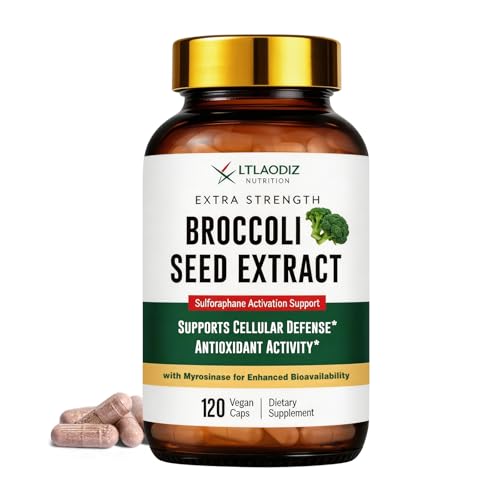
Sulforaphane’s Nrf2-mediated effects tend to unfold over time, since new enzyme synthesis has to occur, and its bioavailability depends heavily on the food or supplement matrix, whether active myrosinase is present, and whether it’s delivered as broccoli sprout extract, stabilized sulforaphane, or a glucoraphanin/myrosinase combination product. NAC is a small, well-characterized molecule with decades of pharmacokinetic data behind its clinical uses, though oral bioavailability is also known to be relatively low and variable.
Because the two compounds act on different systems (broad transcriptional upregulation of detox/antioxidant enzymes vs. direct glutathione precursor and thiol chemistry), they aren’t strict substitutes for one another, and some people use both for different reasons rather than choosing one over the other. Neither should be assumed to replicate the other’s specific studied effects: NAC’s acute liver failure use and mucolytic effects are not something sulforaphane research has established, and sulforaphane’s Nrf2-driven phase II enzyme induction is not NAC’s primary studied mechanism.
Safety and Tolerability Considerations
Sulforaphane and broccoli sprout extract are not FDA-evaluated as drugs and are generally well tolerated in the research and consumer use described in the literature, though some people report GI upset at higher doses. Very high cruciferous vegetable intake may have a mild goitrogenic effect that is relevant for people with thyroid conditions, and sulforaphane may interact with certain chemotherapy regimens, so anyone in active cancer treatment should talk to their oncologist before using sulforaphane or broccoli sprout supplements.
NAC has a long clinical safety record at studied doses but is not free of considerations either, GI side effects are commonly reported, and its use in acute liver failure and other clinical contexts is done under medical supervision with specific dosing protocols [3]. As with any compound with real biological activity, more is not automatically better, and self-directed high-dose use of either compound outside of studied contexts carries unknowns.
🛒 Where to Buy Sulforaphane

- Nutramax Laboratories Avmacol Regular Strength
tablets, 2 tablets daily — Sulforaphane-producing supplement used in human clinical trials; uses a glucoraphanin + active myrosinase Sulforaphane Production System - Swanson Sulforaphane Broccoli Sprout Extract
capsules, 1 capsule (400 mcg) daily — Budget-friendly option standardized to 0.4% sulforaphane from BroccoPhane concentrate - Source Naturals Broccoli Sprouts Extract
tablets, 1 tablet daily — Delivers 2,000 mcg sulforaphane per serving from freshly germinated broccoli sprouts - Nova Nutritions Broccoli Sprout Extract 1000mg
capsules, 1 capsule daily — Broccoli sprout extract; entry-level price point
As an Amazon Associate we earn from qualifying purchases. Sulforaphane quality depends on conversion, not price. Prefer a product that supplies active myrosinase or pre-converted stabilized sulforaphane rather than glucoraphanin alone, and look for a batch-specific certificate of analysis stating actual glucoraphanin or sulforaphane content, since a label that headlines sulforaphane while the supplement facts list only broccoli sprout extract gives you no way to verify potency.
A Note on the Evidence
This article summarizes early-stage preclinical research alongside more established clinical findings, and the strength of evidence differs substantially between the two compounds and between specific uses. This is informational content, not medical advice; talk to a doctor before starting either compound, especially if you are pregnant, have a thyroid condition, are undergoing cancer treatment, or take other medications.
Frequently Asked Questions
Is sulforaphane the same thing as NAC?
No. Sulforaphane is a broccoli-derived isothiocyanate that activates the Nrf2 pathway to boost the body’s own antioxidant enzyme production [1], while NAC is a cysteine derivative that directly supplies material for glutathione synthesis and has its own thiol chemistry [2]. They share the general label “antioxidant support” but work through distinct mechanisms.

Which one has stronger human clinical evidence?
NAC generally has a deeper human clinical evidence base, including use in acute liver failure, though benefit outside acetaminophen poisoning remains debated [3] and systematic review data in psychiatry and neurology [5]. Much of the sulforaphane evidence cited here is cellular or animal-model research [6][7][8], which is promising but earlier-stage.
Can I take sulforaphane and NAC together?
Some people use both because they target different pathways, but there is no evidence base specifically studying the combination cited here, and this isn’t something we can speak to with the studies referenced in this article. If you’re on medication or have a health condition, check with your doctor before combining supplements.
Does sulforaphane replace NAC's use for liver protection?
Not based on current evidence. NAC’s use in non-acetaminophen acute liver failure is a specific, studied clinical application [3]. Sulforaphane’s liver-related research is in an animal model of NASH and fibrosis via Nrf2 activation [6], a different context and a different stage of evidence.

Are there safety concerns with either compound?
Both are generally well tolerated, but not risk-free. High cruciferous/sulforaphane intake may have a mild goitrogenic effect relevant to thyroid conditions, and sulforaphane may interact with certain chemotherapy regimens. NAC can cause GI side effects and is used under medical supervision in some clinical settings. Anyone with a health condition or on medication should consult a doctor.
Is one better for general antioxidant support?
“Better” depends on what you mean by antioxidant support. Sulforaphane’s studied strength is inducing a broad, longer-lasting enzymatic response [9]. NAC’s studied strength includes direct glutathione support and specific clinical uses like liver protection and mucus reduction [4]. Neither has been shown in these studies to be a general-purpose superior choice over the other.
References
- Negrette-Guzmán M et al. Modulation of mitochondrial functions by the indirect antioxidant sulforaphane: a seemingly contradictory dual role and an integrative hypothesis. Free radical biology & medicine (2013). PMID 23999506
- Pedre B et al. The mechanism of action of N-acetylcysteine (NAC): The emerging role of H(2)S and sulfane sulfur species. Pharmacology & therapeutics (2021). PMID 34171332
- Jiang SX et al. N-acetylcysteine for non-acetaminophen induced acute liver failure: A review. Saudi journal of gastroenterology : official journal of the Saudi Gastroenterology Association (2022). PMID 35142656
- Rogliani P et al. Impact of N-Acetylcysteine on Mucus Hypersecretion in the Airways: A Systematic Review. International journal of chronic obstructive pulmonary disease (2024). PMID 39493366
- Deepmala et al. Clinical trials of N-acetylcysteine in psychiatry and neurology: A systematic review. Neuroscience and biobehavioral reviews (2015). PMID 25957927
- Sharma RS et al. Experimental Nonalcoholic Steatohepatitis and Liver Fibrosis Are Ameliorated by Pharmacologic Activation of Nrf2 (NF-E2 p45-Related Factor 2). Cellular and molecular gastroenterology and hepatology (2018). PMID 29552625
- Morroni F et al. Comparison of Adaptive Neuroprotective Mechanisms of Sulforaphane and its Interconversion Product Erucin in in Vitro and in Vivo Models of Parkinson's Disease. Journal of agricultural and food chemistry (2018). PMID 29307179
- Yang W et al. Sulforaphane Targets Multiple Pathological Processes in Friedreich Ataxia Patient-Induced Pluripotent Stem Cell-Derived Sensory Neurons. Antioxidants & redox signaling (2025). PMID 40406806
- Munday R et al. Induction of phase II detoxification enzymes in rats by plant-derived isothiocyanates: comparison of allyl isothiocyanate with sulforaphane and related compounds. Journal of agricultural and food chemistry (2004). PMID 15053522
- Matusheski NV et al. Comparison of the bioactivity of two glucoraphanin hydrolysis products found in broccoli, sulforaphane and sulforaphane nitrile. Journal of agricultural and food chemistry (2001). PMID 11743757
- Aldini G et al. N-Acetylcysteine as an antioxidant and disulphide breaking agent: the reasons why. Free radical research (2018). PMID 29742938
- Tenório MCDS et al. N-Acetylcysteine (NAC): Impacts on Human Health. Antioxidants (Basel, Switzerland) (2021). PMID 34208683
These statements have not been evaluated by the Food and Drug Administration. This information is not intended to diagnose, treat, cure, or prevent any disease. Content is for informational purposes only and is not medical advice; consult a qualified healthcare provider before starting any supplement. As an Amazon Associate we earn from qualifying purchases.
