Sulforaphane and spermidine are both compounds discussed in longevity and healthy-aging circles, but they work through almost entirely different cellular machinery. Sulforaphane, formed when glucoraphanin in broccoli and broccoli sprouts is converted by the enzyme myrosinase, is best known as an activator of the Nrf2 pathway, which switches on the body’s own antioxidant and phase II detoxification enzymes. Spermidine, a naturally occurring polyamine found in foods like wheat germ, aged cheese, and soybeans, is studied primarily for its role in triggering autophagy, the cellular process of clearing out damaged components.
Because both compounds get lumped into general ‘longevity supplement’ conversations, it’s easy to assume they do the same thing or compete for the same benefit. They don’t. This article lays out what each pathway actually does, what the evidence supports and where it’s thin, and why the two are better understood as complementary mechanisms than as alternatives to choose between.
Key Takeaways
- Sulforaphane primarily activates the Nrf2 pathway, upregulating antioxidant and detoxification enzymes.
- Spermidine primarily induces autophagy, the cellular process of clearing damaged components.
- The two work through different mechanisms and haven’t been studied together for combined effects.
- Human longevity trial evidence for both remains limited; most support comes from cell and animal research.
- Food sources (broccoli sprouts for sulforaphane; wheat germ, aged cheese, soy for spermidine) are well-established starting points.
Two Different Cellular Targets
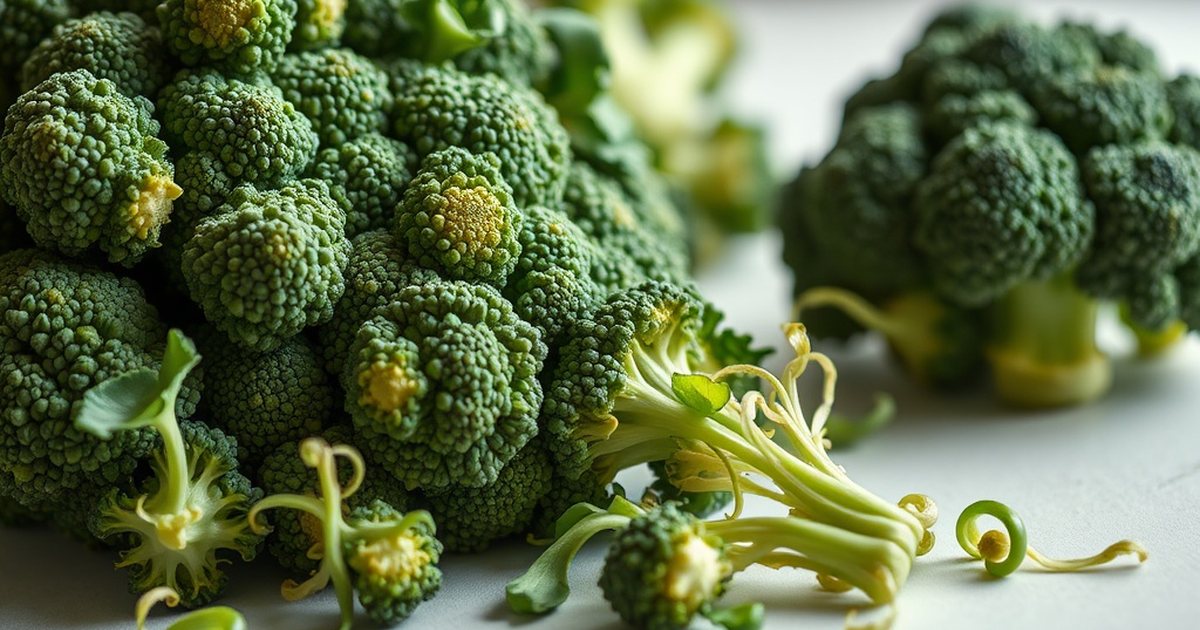
Sulforaphane’s primary mechanism runs through Keap1-Nrf2 signaling. Under normal conditions, Keap1 holds Nrf2 in check; sulforaphane disrupts that interaction, allowing Nrf2 to accumulate and turn on genes for antioxidant and detoxification enzymes. This has been studied in contexts ranging from acetaminophen-induced liver stress [1] to heavy metal exposure, where isothiocyanates reduced mercury accumulation in a mouse model in an Nrf2-dependent manner [2]. The throughline across this research is cellular defense against oxidative and toxic stress, not direct cell cleanup.
Spermidine’s mechanism is different. As a polyamine, it’s implicated in inducing autophagy, the process by which cells break down and recycle damaged proteins and organelles [3]. Autophagy decline is one of several processes associated with cellular aging [4], and spermidine is one of several compounds studied for its potential to support this clearance process. It is not working through Nrf2 or antioxidant enzyme induction; it’s working on the cell’s internal recycling system.

Antioxidant Defense vs. Cellular Cleanup: Why the Distinction Matters
Nrf2 activation and autophagy are sometimes discussed interchangeably in popular health content, but they solve different problems. Nrf2 activation is about upregulating the enzymes that neutralize oxidative stress and process toxins before they cause damage, illustrated in research on sulforaphane’s role in modulating redox balance in models of diabetes and cardiometabolic dysfunction [5]. Autophagy is about removing damage that has already accumulated, including misfolded proteins and dysfunctional organelles.
Other compounds illustrate that Nrf2 activation isn’t unique to sulforaphane. Withaferin A, for example, has also been shown to activate Nrf2-dependent liver protection through Keap1-independent mechanisms [6], and Nrf2 deficiency has been shown to worsen toxin-induced damage from ochratoxin A exposure [7]. These findings support Nrf2 as a broader defensive pathway that multiple compounds can engage, sulforaphane among them, rather than a single-molecule story.
What the Human Longevity Evidence Actually Shows
It’s important to be direct about the state of the evidence: most of the mechanistic work behind both sulforaphane and spermidine comes from cell and animal models. Broader nutrition science reviews note substantial uncertainty in translating mechanistic longevity research into confirmed human lifespan or healthspan outcomes [8]. Caloric restriction mimetics, a category that autophagy-inducing compounds like spermidine are sometimes grouped under, remain an active area of research into age-associated disease targets rather than an established clinical intervention [9].

Polyamine metabolism itself, including spermidine’s role, is understood as physiologically important for cellular function broadly, not just for aging [10]. That broader physiological role is worth keeping in mind: spermidine’s relevance to the body isn’t limited to a longevity narrative, and neither is sulforaphane’s Nrf2 activity limited to anti-aging framing, it shows up in toxicology and neuroprotection research as well, including comparisons with its interconversion product erucin in Parkinson’s disease models [11].
Are They Competing or Complementary?
Because sulforaphane and spermidine act on distinct pathways, Nrf2-mediated antioxidant defense versus autophagy induction, they aren’t mechanistically redundant. There’s no direct evidence in the studies cited here that one enhances or interferes with the other; they simply haven’t been studied together in a way that would support either claim. Framing this as ‘which one is better for longevity’ somewhat misses the point: they are addressing different cellular maintenance systems.
It’s also worth noting that glycine, another simple nutrient studied in aging research, has its own proposed mechanisms, centered on methionine metabolism and, in the authors’ view, autophagy [12]. This reinforces a broader pattern in longevity nutrition science: many compounds studied for healthy aging work through genuinely different systems, and stacking narratives (‘take X for antioxidants, Y for autophagy, Z for something else’) outpaces the human trial evidence for any coordinated benefit.
Practical Considerations
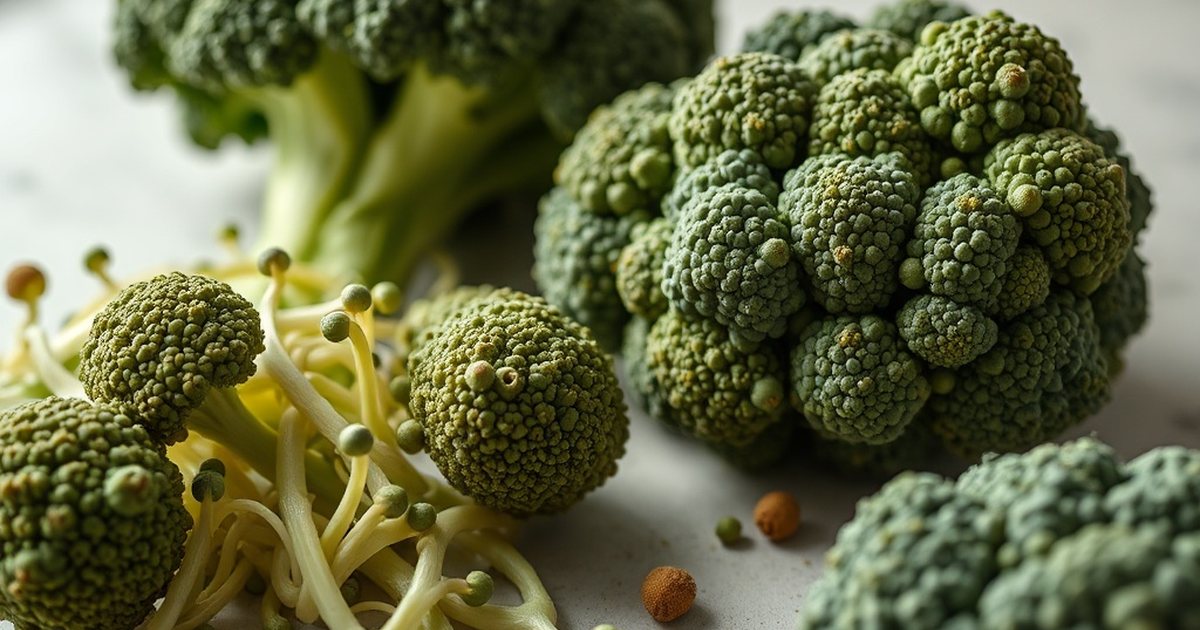
Sulforaphane is most reliably obtained from broccoli sprouts or sprout-derived supplements, since sprouts contain substantially more glucoraphanin than mature broccoli, and the myrosinase enzyme needed for conversion is heat-sensitive, meaning lightly cooked or raw sprouts and vegetables preserve more active conversion potential than well-cooked broccoli. Spermidine is found in foods like wheat germ, aged cheeses, mushrooms, and soy products, and is also available as a standalone supplement, most often derived from wheat germ extract.
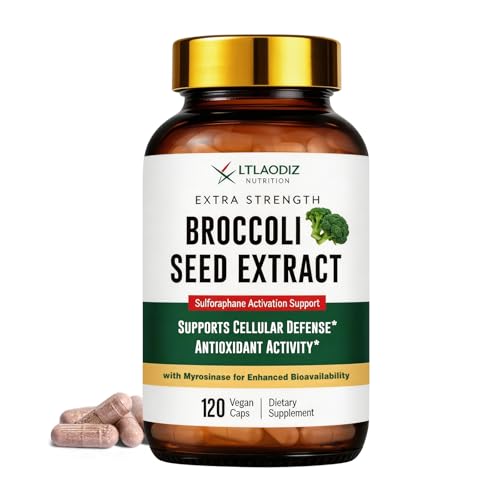
Neither compound is FDA-evaluated as a drug, and both are generally well tolerated. Sulforaphane and broccoli sprout extract may cause GI upset in some people at higher doses, and very high cruciferous vegetable intake may have a mild goitrogenic effect relevant to thyroid function. Sulforaphane may also interact with certain chemotherapy regimens, so anyone in active cancer treatment should talk to their oncologist before adding it. As with any supplement decision tied to specific health conditions or medications, a conversation with a healthcare provider is the right next step, not a substitute for one.
🛒 Where to Buy Sulforaphane
- Nutramax Laboratories Avmacol Regular Strength
tablets, 2 tablets daily — Sulforaphane-producing supplement used in human clinical trials; uses a glucoraphanin + active myrosinase Sulforaphane Production System - Swanson Sulforaphane Broccoli Sprout Extract
capsules, 1 capsule (400 mcg) daily — Budget-friendly option standardized to 0.4% sulforaphane from BroccoPhane concentrate - Source Naturals Broccoli Sprouts Extract
tablets, 1 tablet daily — Delivers 2,000 mcg sulforaphane per serving from freshly germinated broccoli sprouts - Nova Nutritions Broccoli Sprout Extract 1000mg
capsules, 1 capsule daily — Broccoli sprout extract; entry-level price point
As an Amazon Associate we earn from qualifying purchases. Sulforaphane quality depends on conversion, not price. Prefer a product that supplies active myrosinase or pre-converted stabilized sulforaphane rather than glucoraphanin alone, and look for a batch-specific certificate of analysis stating actual glucoraphanin or sulforaphane content, since a label that headlines sulforaphane while the supplement facts list only broccoli sprout extract gives you no way to verify potency.
A Note on the Evidence
This article is informational, not medical advice; most evidence for both compounds comes from cell and animal studies rather than large human trials, and anyone with a health condition, on medication, or in cancer treatment should consult a doctor before starting either.

Frequently Asked Questions
Is sulforaphane or spermidine better for longevity?
They aren’t directly comparable because they work through different mechanisms, Nrf2 antioxidant activation versus autophagy induction, and there’s no head-to-head human evidence establishing one as superior [3]. Broader nutrition science reviews also caution that mechanistic longevity findings haven’t been fully translated into confirmed human outcomes [8].
Can I take sulforaphane and spermidine together?
There’s no evidence in the cited research examining interactions between the two, positive or negative, since they act on separate pathways. Anyone considering combining supplements should discuss it with a healthcare provider, especially if managing an existing health condition.
What does Nrf2 actually do?
Nrf2 is a transcription factor that, once activated, turns on genes for antioxidant and phase II detoxification enzymes, helping cells manage oxidative and toxic stress, as shown in research on liver stress and heavy metal exposure [1] [2].

What is autophagy and why does it matter for aging?
Autophagy is the process by which cells break down and recycle damaged proteins and organelles. A decline in autophagic activity is one process associated with cellular aging [4], and spermidine is studied for its potential to support this clearance mechanism [3].
Is spermidine a caloric restriction mimetic?
Spermidine is discussed in the context of caloric restriction mimetics, a research category focused on triggering some of the cellular effects of caloric restriction, like autophagy, without reducing food intake. This remains an active research area rather than an established clinical intervention [9].
Are there safety concerns with either compound?
Both are generally well tolerated. Sulforaphane may cause GI upset at higher doses, very high cruciferous intake may mildly affect thyroid function, and sulforaphane may interact with some chemotherapy regimens, so those in active cancer treatment should consult their oncologist. Neither compound is FDA-evaluated as a drug.
References
- Etemadi Y et al. Nrf2 as a therapeutic target in acetaminophen hepatotoxicity: A case study with sulforaphane. Journal of biochemical and molecular toxicology (2023). PMID 37598316
- Toyama T et al. Isothiocyanates reduce mercury accumulation via an Nrf2-dependent mechanism during exposure of mice to methylmercury. Environmental health perspectives (2011). PMID 21382770
- Hofer SJ et al. Mechanisms of spermidine-induced autophagy and geroprotection. Nature aging (2022). PMID 37118547
- Rubinsztein DC et al. Autophagy and aging. Cell (2011). PMID 21884931
- Patel B et al. Concerted redox modulation by sulforaphane alleviates diabetes and cardiometabolic syndrome. Free radical biology & medicine (2018). PMID 29427794
- Palliyaguru DL et al. Withaferin A induces Nrf2-dependent protection against liver injury: Role of Keap1-independent mechanisms. Free radical biology & medicine (2016). PMID 27717869
- Loboda A et al. Nrf2 deficiency exacerbates ochratoxin A-induced toxicity in vitro and in vivo. Toxicology (2017). PMID 28710020
- Ekmekcioglu C et al. Nutrition and longevity – From mechanisms to uncertainties. Critical reviews in food science and nutrition (2020). PMID 31631676
- Madeo F et al. Caloric Restriction Mimetics against Age-Associated Disease: Targets, Mechanisms, and Therapeutic Potential. Cell metabolism (2019). PMID 30840912
- Schibalski RS et al. The role of polyamine metabolism in cellular function and physiology. American journal of physiology. Cell physiology (2024). PMID 38881422
- Morroni F et al. Comparison of Adaptive Neuroprotective Mechanisms of Sulforaphane and its Interconversion Product Erucin in in Vitro and in Vivo Models of Parkinson's Disease. Journal of agricultural and food chemistry (2018). PMID 29307179
- Johnson AA et al. Glycine and aging: Evidence and mechanisms. Ageing research reviews (2023). PMID 37004845
These statements have not been evaluated by the Food and Drug Administration. This information is not intended to diagnose, treat, cure, or prevent any disease. Content is for informational purposes only and is not medical advice; consult a qualified healthcare provider before starting any supplement. As an Amazon Associate we earn from qualifying purchases.
