Broccoli sprouts and broccoli supplements are often marketed around two different compounds: glucoraphanin and sulforaphane. The two get used almost interchangeably in product copy, but they are not the same thing, and the difference matters if you’re trying to understand what a supplement actually delivers.
Glucoraphanin is a stable, inactive precursor found in cruciferous vegetables. Sulforaphane is the biologically active compound that glucoraphanin gets converted into, and it’s sulforaphane, not glucoraphanin itself, that is responsible for the Nrf2-activating effects these plants are known for. Understanding the conversion step in between is the key to understanding why some products work better than others.
Key Takeaways
- Glucoraphanin is the stable, inactive precursor found in cruciferous vegetables; sulforaphane is the active compound it converts into.
- The enzyme myrosinase drives that conversion, and it’s released when plant cells are physically disrupted (chewing, chopping, blending) or supplied separately in a supplement.
- Cooking can deactivate myrosinase, which is why raw or lightly prepared sprouts tend to retain more conversion potential than heavily cooked broccoli.
- A glucoraphanin-only supplement relies on your gut bacteria for conversion, which varies by person; pairing it with an active myrosinase source (or delivering stabilized sulforaphane directly) is designed to make conversion more consistent.
- Whole fresh sprouts naturally contain both components together, which is why they remain the reference point most sulforaphane research is built around.
What Glucoraphanin Actually Is
Glucoraphanin belongs to a class of plant compounds called glucosinolates, found throughout cruciferous vegetables like broccoli, cauliflower, cabbage, and kale. On its own, glucosinolate is not particularly active. It’s essentially a storage form, chemically stable, shelf-stable, and inert until something triggers its breakdown.
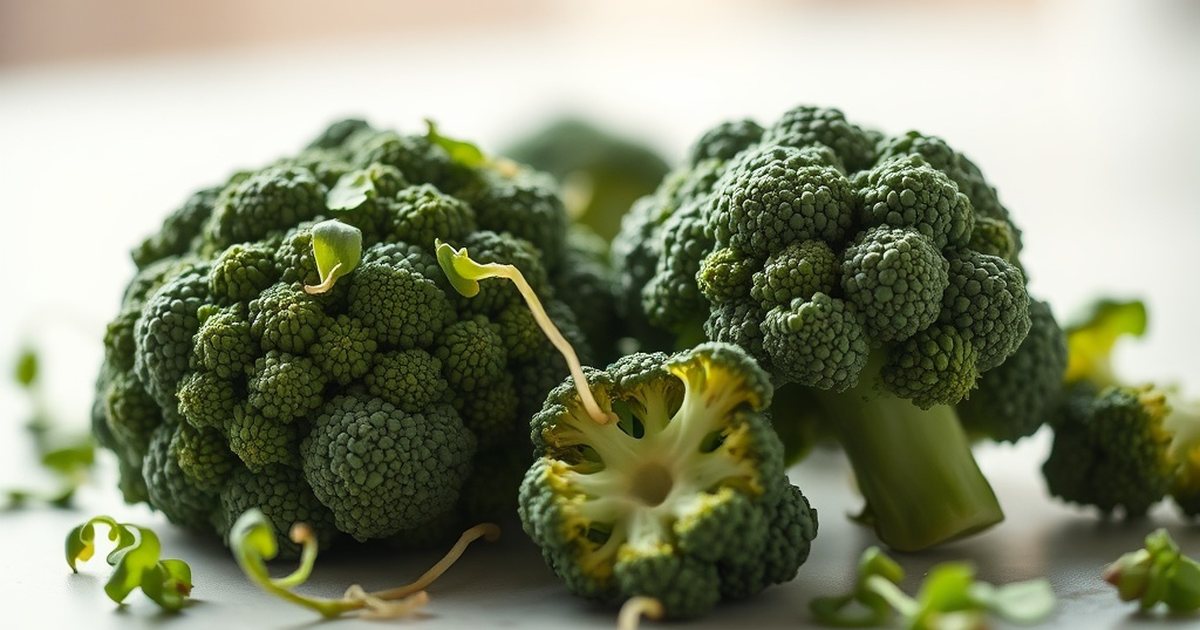
Broccoli seeds and young broccoli sprouts are unusually concentrated sources of glucoraphanin compared to mature broccoli heads, which is part of why sprout-based products became popular in the sulforaphane supplement market.[1]
What Sulforaphane Actually Is
Sulforaphane is an isothiocyanate, the active compound that glucoraphanin becomes after conversion. It is sulforaphane that crosses into cells and triggers the Nrf2 pathway, a cellular signaling mechanism that upregulates the body’s own antioxidant and phase II detoxification enzymes. This is the mechanism most of the research interest in broccoli sprouts is actually about.

Unlike glucoraphanin, sulforaphane is not shelf-stable. It’s a reactive, volatile compound, which is one of the practical reasons manufacturers often prefer to sell glucoraphanin plus an activating enzyme rather than pre-formed sulforaphane.
The Conversion Step: Myrosinase
The enzyme that converts glucoraphanin into sulforaphane is called myrosinase. In an intact, uncut plant, myrosinase and glucoraphanin are physically separated inside different cell compartments. When the plant tissue is damaged, chewing, chopping, blending, or the plant’s own defense response, the two come into contact and the conversion reaction happens.
This is why simply eating whole, uncut broccoli sprouts produces a very different sulforaphane yield than eating the same sprouts chopped or blended. Mechanical disruption of the plant cells is what starts the reaction. Cooking matters too: heat inactivates myrosinase relatively easily, which is why lightly steamed or raw preparations tend to preserve more conversion potential than thoroughly cooked vegetables.[2]
Gut bacteria can also perform a version of this conversion using their own myrosinase-like enzymes, but this pathway is considered less efficient and more variable between individuals than conversion that happens in the food itself before it’s eaten.[3]
Why This Matters for Supplements
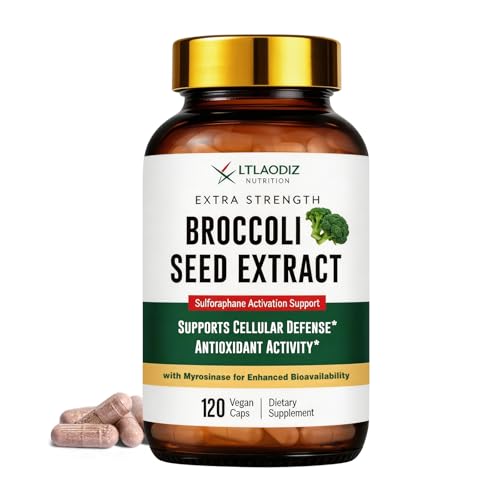
Supplement labels usually fall into a few categories: products standardized to glucoraphanin content, products that combine glucoraphanin with an added myrosinase source (often mustard seed powder, which is rich in active myrosinase), and products that claim to deliver preformed, stabilized sulforaphane directly.

A glucoraphanin-only product depends entirely on your own gut bacteria or residual plant enzymes to convert it, which is inconsistent from person to person. A product that pairs glucoraphanin with an active myrosinase source is designed to trigger conversion more reliably, closer to what happens when you chew fresh sprouts.[4] Products claiming to deliver stabilized sulforaphane directly are attempting to skip the conversion step altogether, though sulforaphane’s inherent instability makes formulation and shelf life a real engineering challenge.
In practical terms, this is the single most useful thing to check on a label: does the product supply glucoraphanin alone, or does it pair glucoraphanin with an active myrosinase source (or provide sulforaphane itself in a stabilized form)? That detail says more about likely effectiveness than the total milligram count on the front of the bottle.
Whole Food vs. Isolated Compound
Fresh broccoli sprouts naturally contain both glucoraphanin and active myrosinase in the same food, which is part of why they’ve been the reference point for sulforaphane research and why many people prefer eating sprouts over taking a pill. Chewing thoroughly maximizes the mechanical disruption that starts the conversion process.
That said, whole sprouts have their own downsides: variable glucoraphanin content between batches, a short shelf life, and the practical burden of sourcing and eating them regularly. Supplements exist to solve for consistency and convenience, but only if they’re formulated to actually support conversion rather than just listing a glucoraphanin number on the label.
🛒 Where to Buy Sulforaphane
- Nutramax Laboratories Avmacol Regular Strength
tablets, 2 tablets daily — Sulforaphane-producing supplement used in human clinical trials; uses a glucoraphanin + active myrosinase Sulforaphane Production System - Swanson Sulforaphane Broccoli Sprout Extract
capsules, 1 capsule (400 mcg) daily — Budget-friendly option standardized to 0.4% sulforaphane from BroccoPhane concentrate - Source Naturals Broccoli Sprouts Extract
tablets, 1 tablet daily — Delivers 2,000 mcg sulforaphane per serving from freshly germinated broccoli sprouts - Nova Nutritions Broccoli Sprout Extract 1000mg
capsules, 1 capsule daily — Broccoli sprout extract; entry-level price point
As an Amazon Associate we earn from qualifying purchases. Sulforaphane quality depends on conversion, not price. Prefer a product that supplies active myrosinase or pre-converted stabilized sulforaphane rather than glucoraphanin alone, and look for a batch-specific certificate of analysis stating actual glucoraphanin or sulforaphane content, since a label that headlines sulforaphane while the supplement facts list only broccoli sprout extract gives you no way to verify potency.
A Note on the Evidence
This article describes general, well-established plant biochemistry and is informational only, not medical advice. Sulforaphane and broccoli sprout extract are not FDA-evaluated as drugs; some people report GI upset at higher intakes, very high cruciferous intake may have a mild goitrogenic effect relevant to thyroid conditions, and sulforaphane may interact with certain chemotherapy regimens, so anyone in active cancer treatment should consult their oncologist before use.
Frequently Asked Questions
Is sulforaphane the same thing as glucoraphanin?
No. Glucoraphanin is the inactive precursor compound found in cruciferous vegetables, while sulforaphane is the active compound it converts into via the enzyme myrosinase. A product can be rich in glucoraphanin and still deliver little usable sulforaphane if conversion doesn’t happen.
Which one should I look for on a supplement label?
Look for how the product handles conversion, not just the glucoraphanin number. Products that pair glucoraphanin with an active myrosinase source, or that supply stabilized sulforaphane directly, are designed to address the conversion step that a glucoraphanin-only product leaves up to your own body.

Does cooking broccoli destroy the benefit?
Cooking can inactivate the myrosinase enzyme needed for conversion, which reduces the amount of sulforaphane your body can generate from that food. Raw or lightly steamed preparations, and chewing sprouts thoroughly, tend to preserve more conversion potential than extended cooking.
Can my gut bacteria convert glucoraphanin into sulforaphane on their own?
Some gut bacteria can perform a version of this conversion, but it’s considered less efficient and more variable between individuals than conversion triggered by an active myrosinase source in the food or supplement itself.
Why don't supplements just sell pure sulforaphane?
Sulforaphane is a reactive, unstable compound with a short shelf life, which makes it difficult to formulate and preserve in pill or powder form. This is a major reason many manufacturers instead sell glucoraphanin paired with a myrosinase source, aiming to mimic the conversion process that happens naturally when fresh sprouts are chewed.
Are broccoli sprouts better than a supplement?
Fresh sprouts naturally contain both glucoraphanin and active myrosinase together, which is convenient for conversion, but they have downsides like variable potency and short shelf life. A well-formulated supplement that addresses the conversion step can be a more consistent alternative, though quality varies a lot between products.
References
- Fahey JW et al. Broccoli sprouts: an exceptionally rich source of inducers of enzymes that protect against chemical carcinogens. Proceedings of the National Academy of Sciences (1997). PMID 9294217
- Conaway CC et al. Disposition of glucosinolates and sulforaphane in humans after ingestion of steamed and fresh broccoli. Nutrition and Cancer (2000). PMID 11525594
- Fahey JW et al. Protection of humans by plant glucosinolates: efficiency of conversion of glucosinolates to isothiocyanates by the gastrointestinal microflora. Cancer Prevention Research (2012). PMID 22318753
- Fahey JW et al. Sulforaphane bioavailability from glucoraphanin-rich broccoli: control by active endogenous myrosinase. PLoS One (2015). PMID 26524341
These statements have not been evaluated by the Food and Drug Administration. This information is not intended to diagnose, treat, cure, or prevent any disease. Content is for informational purposes only and is not medical advice; consult a qualified healthcare provider before starting any supplement. As an Amazon Associate we earn from qualifying purchases.
