Sulforaphane and fisetin are both plant-derived compounds that show up frequently in longevity and antioxidant discussions, but they work through fundamentally different mechanisms. Sulforaphane, formed when glucoraphanin in broccoli and broccoli sprouts is converted by the enzyme myrosinase, is one of the most studied natural activators of the Nrf2 pathway, which upregulates the body’s own antioxidant and phase II detoxification enzymes. Fisetin, a flavonoid found in strawberries and other produce, has instead drawn research attention as a candidate senolytic, a compound studied for its potential to selectively affect senescent (‘zombie’) cells.
These are not interchangeable compounds addressing the same target, and comparing them side by side means comparing two different research questions: does upregulating endogenous antioxidant defenses (sulforaphane’s proposed mechanism) matter for a given condition, or does clearing or modulating senescent cells (fisetin’s proposed mechanism) matter more? This article lays out what’s known about each mechanism, where the evidence is strongest, and where it remains early or preliminary.
Key Takeaways
- Sulforaphane’s core mechanism is Nrf2 pathway activation, which upregulates the body’s own antioxidant and phase II detox enzymes broadly across tissues.
- Fisetin is studied as a senolytic, a compound researchers are investigating for potential effects on senescent (‘zombie’) cells and related inflammation.
- These mechanisms address different biological questions and are not shown to be interchangeable; no direct head-to-head trial compares them.
- Fisetin’s human trial evidence is more limited than sulforaphane’s broader preclinical and clinical base across cardiovascular, renal, and neurological research.
- Neither compound is FDA-evaluated as a drug for these purposes; this is informational, not medical advice.
How Sulforaphane's Nrf2 Mechanism Works
Sulforaphane’s central proposed mechanism is activation of the Nrf2/KEAP1/ARE signaling pathway. Under normal conditions, the Nrf2 transcription factor is kept inactive by KEAP1; when sulforaphane and related isothiocyanates interact with this complex, Nrf2 is released and can upregulate a broad set of antioxidant and phase II detoxification enzymes, including heme oxygenase-1 (HO-1) and glutathione-related enzymes [1]. This pathway has been studied across a wide range of tissue types and disease contexts, including diabetic kidney disease [2], cardiovascular protection [3], and neurodegeneration, including Parkinson’s disease research [4].
Because Nrf2 activation touches so many downstream antioxidant genes at once, sulforaphane is often described as a broad, upstream ‘defense amplifier’ rather than a compound with one narrow target. A 2023 review summarized sulforaphane’s proposed roles spanning neuroprotection and anticancer research contexts, underscoring how the same core Nrf2 mechanism is being investigated across very different organ systems [5].

How Fisetin's Senolytic Mechanism Works
Fisetin belongs to a class of compounds researchers call senolytics: agents studied for their potential to selectively affect senescent cells, cells that have stopped dividing but remain metabolically active and can secrete inflammatory signaling molecules (the senescence-associated secretory phenotype, or SASP) [6]. The general senolytic hypothesis is that reducing the burden of these senescent cells could, in principle, reduce chronic low-grade inflammation associated with aging tissues, though this is an active and still-developing area of research.
Fisetin specifically has been studied in this context in tissues such as the liver, where a recent review examined its mechanistic effects in both in vitro and in vivo models relevant to liver disease [7]. It has also been tested in a real-world clinical trial setting: a study of fisetin in skilled nursing facility residents during the COVID-19 pandemic examined its senolytic potential in an older, frail population [8]. This is one of relatively few fisetin senolytic trials conducted directly in humans, which makes it a notable but still limited data point rather than definitive proof of clinical benefit.
Why Senescence Research Matters for Aging-Related Conditions
The broader senolytic field has identified biomarkers and disease contexts where senescent cell burden appears relevant. For example, IL-23R has been proposed as a circulating and tissue biomarker linked to cellular senescence and aging [9], giving researchers a way to track senescence burden. Senolytics have also been studied specifically in diabetic retinopathy [10] and across heterogeneous senescence subtypes in lung disease, where researchers distinguish between senolytics (which aim to clear senescent cells) and senomorphics (which aim to modulate their inflammatory secretions without necessarily eliminating the cells) [11].

This distinction matters for fisetin specifically: it is generally discussed as a senolytic candidate, but the field itself is still working out which compounds act more like senolytics versus senomorphics, and in which tissues. That nuance is often lost in consumer-facing framing that treats ‘senolytic’ as a settled, single mechanism.
Nrf2 Activation and Senescence Are Not Mutually Exclusive
It’s worth being precise about what these two mechanisms do and don’t overlap on. Nrf2 activation is about upregulating the cell’s own antioxidant and detox machinery to reduce oxidative stress damage as it occurs, including in contexts like intestinal inflammation where oxidative stress and hormonal factors interact [12]. Senolytic action is a distinct concept: it’s about the fate of cells that have already entered a senescent state, not about preventing oxidative damage to healthy cells in the first place.
In theory, chronic oxidative stress can contribute to cells entering senescence over time, which means these two mechanisms could be seen as addressing different points on the same broader stress-and-aging timeline: one upstream (reducing ongoing oxidative damage via Nrf2), one downstream (addressing cells that have already become senescent). However, this connective narrative is a mechanistic hypothesis, not something directly demonstrated by a head-to-head study of sulforaphane and fisetin. No such comparative trial exists in the evidence reviewed here.
What the Evidence Does and Doesn't Show
Sulforaphane’s Nrf2 mechanism has substantial mechanistic and preclinical support across multiple organ systems, including cardiovascular [3], renal [2], and neurological [4] contexts, with human clinical evidence varying in strength by condition. Fisetin’s senolytic evidence base is comparatively earlier stage: much of the mechanistic work is preclinical [7], and human trial data remains limited, with the skilled nursing facility trial being a notable but narrow example in a specific, frail population [8].
Neither compound should be framed as a proven treatment for aging or age-related disease. Senolytic research as a field is still working out dosing, timing, and which populations might benefit [6], and Nrf2-activating compounds like sulforaphane are studied as supportive of the body’s own defense systems, not as a substitute for medical care of the underlying conditions referenced in the research above.
🛒 Where to Buy Sulforaphane
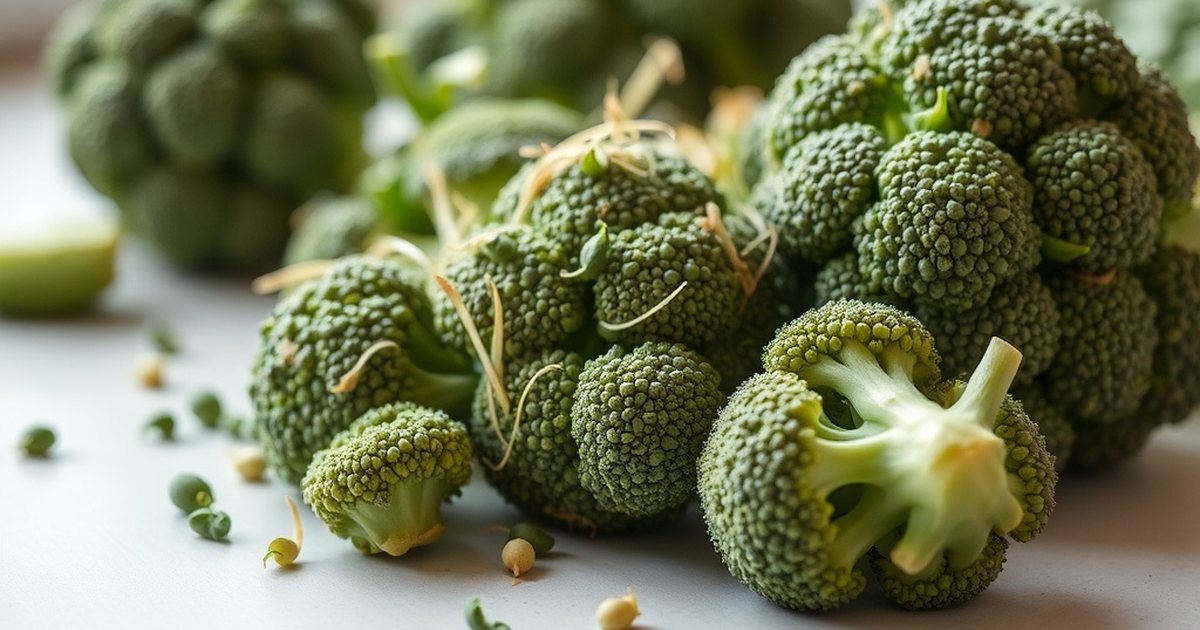
- Nutramax Laboratories Avmacol Regular Strength
tablets, 2 tablets daily — Sulforaphane-producing supplement used in human clinical trials; uses a glucoraphanin + active myrosinase Sulforaphane Production System - Swanson Sulforaphane Broccoli Sprout Extract
capsules, 1 capsule (400 mcg) daily — Budget-friendly option standardized to 0.4% sulforaphane from BroccoPhane concentrate - Source Naturals Broccoli Sprouts Extract
tablets, 1 tablet daily — Delivers 2,000 mcg sulforaphane per serving from freshly germinated broccoli sprouts - Nova Nutritions Broccoli Sprout Extract 1000mg
capsules, 1 capsule daily — Broccoli sprout extract; entry-level price point
As an Amazon Associate we earn from qualifying purchases. Sulforaphane quality depends on conversion, not price. Prefer a product that supplies active myrosinase or pre-converted stabilized sulforaphane rather than glucoraphanin alone, and look for a batch-specific certificate of analysis stating actual glucoraphanin or sulforaphane content, since a label that headlines sulforaphane while the supplement facts list only broccoli sprout extract gives you no way to verify potency.
A Note on the Evidence
This article summarizes early-to-moderate stage research, much of it preclinical, and neither compound is FDA-evaluated as a drug for these purposes. This is informational content, not medical advice; talk to a doctor before starting either compound, especially if you are in active cancer treatment, have a thyroid condition, or are on other medications.

Frequently Asked Questions
Do sulforaphane and fisetin do the same thing?
No. Sulforaphane’s primary studied mechanism is Nrf2 pathway activation, upregulating antioxidant and detox enzymes [1], while fisetin is studied as a senolytic thought to affect senescent cells [6]. They are mechanistically distinct compounds.
Is fisetin proven to clear senescent cells in humans?
The evidence is still early. A trial in skilled nursing facility residents tested fisetin’s senolytic potential during COVID-19 [8], but this is a limited, specific-population study rather than broad confirmation of senolytic effects in humans generally.
Does sulforaphane have more human research than fisetin?
Sulforaphane’s Nrf2 mechanism has been studied across more organ systems and conditions, including cardiovascular [3], kidney [2], and neurological contexts [4], but strength of human clinical evidence varies by condition and should be evaluated per use case.

Can these two compounds be used together?
There’s no evidence reviewed here directly testing sulforaphane and fisetin in combination. Because their mechanisms are distinct (antioxidant defense upregulation versus senescent cell modulation), anyone considering combining them should discuss it with a healthcare provider, especially given fisetin’s early-stage senolytic evidence.
What is a senomorphic, and is fisetin one?
A senomorphic modulates the inflammatory secretions of senescent cells without necessarily eliminating them, distinct from a senolytic, which aims to clear those cells. Research distinguishes these mechanisms within the broader senescence field [11]; fisetin is generally discussed as senolytic, though the field is still clarifying these boundaries.
Are there safety concerns with either compound?
Sulforaphane and broccoli sprout extract are generally well tolerated, though some users report GI upset at higher doses, and very high cruciferous intake may have a mild goitrogenic effect relevant to thyroid conditions; sulforaphane may also interact with certain chemotherapy regimens. Anyone in active cancer treatment or with thyroid concerns should consult their doctor before use, and the same caution applies to fisetin given its more limited human safety data.
References
- Zhang Q et al. Activation of Nrf2/HO-1 signaling: An important molecular mechanism of herbal medicine in the treatment of atherosclerosis via the protection of vascular endothelial cells from oxidative stress. Journal of advanced research (2021). PMID 35024180
- Tanase DM et al. Oxidative Stress and NRF2/KEAP1/ARE Pathway in Diabetic Kidney Disease (DKD): New Perspectives. Biomolecules (2022). PMID 36139066
- Bai Y et al. Sulforaphane Protects against Cardiovascular Disease via Nrf2 Activation. Oxidative medicine and cellular longevity (2015). PMID 26583056
- Bougea A et al. Activation of Nrf2 neuroprotective pathways for treatment of Parkinson's disease: A state of art review. International review of neurobiology (2026). PMID 42442915
- Otoo RA et al. Sulforaphane's Multifaceted Potential: From Neuroprotection to Anticancer Action. Molecules (Basel, Switzerland) (2023). PMID 37836745
- Kirkland JL et al. Senolytic drugs: from discovery to translation. Journal of internal medicine (2020). PMID 32686219
- Belka M et al. Mechanistic Analysis of Fisetin in Liver Diseases and Its Potential Therapeutic Application in IFALD-A Review of In Vitro and In Vivo Studies. Nutrients (2025). PMID 41515219
- Verdoorn BP et al. Fisetin for COVID-19 in skilled nursing facilities: Senolytic trials in the COVID era. Journal of the American Geriatrics Society (2021). PMID 34375437
- Carver CM et al. IL-23R is a senescence-linked circulating and tissue biomarker of aging. Nature aging (2025). PMID 39658621
- Hassan JW et al. Senolytics in the treatment of diabetic retinopathy. Frontiers in pharmacology (2022). PMID 36091769
- Ozdemir SA et al. Heterogeneity of Cellular Senescence, Senotyping, and Targeting by Senolytics and Senomorphics in Lung Diseases. International journal of molecular sciences (2025). PMID 41096951
- Sahoo DK et al. Oxidative stress, hormones, and effects of natural antioxidants on intestinal inflammation in inflammatory bowel disease. Frontiers in endocrinology (2023). PMID 37701897
These statements have not been evaluated by the Food and Drug Administration. This information is not intended to diagnose, treat, cure, or prevent any disease. Content is for informational purposes only and is not medical advice; consult a qualified healthcare provider before starting any supplement. As an Amazon Associate we earn from qualifying purchases.
