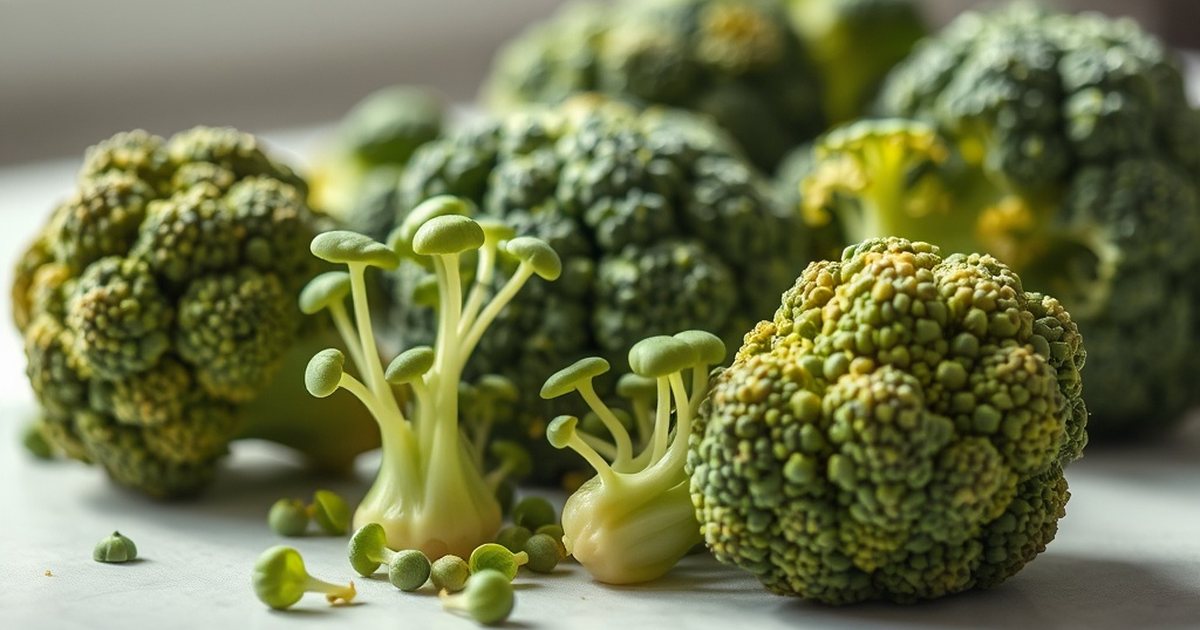
Sulforaphane is a compound made when broccoli sprouts and broccoli are chewed or crushed, triggering the enzyme myrosinase to convert a precursor called glucoraphanin into sulforaphane. It’s best known as an activator of the Nrf2 pathway, a cellular switch that turns up the body’s own antioxidant and detoxification enzymes. Because of this mechanism, researchers at Johns Hopkins have spent over a decade testing whether sulforaphane, delivered as a standardized broccoli sprout extract, might ease certain behavioral symptoms in autism spectrum disorder (ASD).
This article walks through what those trials actually found, in what population, at what dose, and with what limitations, rather than repeating headline claims. Autism is a lifelong neurodevelopmental condition with no pharmaceutical cure, and no supplement changes that. What follows is a summary of published clinical evidence, not medical advice, and not a recommendation to replace any existing treatment plan.
Key Takeaways
- The Johns Hopkins-linked research line spans a 2014 pilot RCT, a 2021 pediatric RCT with metabolite analysis, and a 2024 multi-center RCT, with 2025 meta-analyses pooling the results [1][2][3][4]
- The proposed mechanism runs through Nrf2 pathway activation and phase II detox/antioxidant enzyme upregulation, not a direct neurological drug effect [5]
- Meta-analyses report a modest, measurable effect on some behavioral rating scales, but the total trial base is still small and concentrated among a few research groups [4]
- Reported tolerability has been generally good, with mild GI upset the main complaint; thyroid and chemotherapy interactions are real considerations for specific populations
- This is not an FDA-evaluated treatment for autism and should not replace established behavioral or medical care
The Original 2014 Johns Hopkins/MIT Trial
The trial that started this research line was a randomized, double-blind, placebo-controlled study published in the Proceedings of the National Academy of Sciences in 2014, led by researchers at Johns Hopkins and MIT. It enrolled young men and boys with moderate-to-severe autism and gave them a sulforaphane-rich broccoli sprout extract, dosed by body weight, over 18 weeks [1].
The study reported improvements on standardized behavioral rating scales, including measures of social interaction, abnormal behavior, and verbal communication, in the sulforaphane group compared to placebo, with scores partially reverting after treatment was stopped [1]. This was a relatively small, short trial in a narrow population (mostly adolescent and young adult males), and its main value was establishing that sulforaphane was worth testing further, not proving a treatment effect on its own.

Mapping the Proposed Mechanism
The rationale behind these trials isn’t that sulforaphane is a ‘brain drug.’ It’s built on the idea that some of the metabolic and cellular stress patterns observed in autism, including oxidative stress, mitochondrial dysfunction, and reduced glutathione levels, overlap with pathways that Nrf2 activation is known to influence in other contexts.
Glucoraphanin itself does very little; it needs myrosinase (present in raw broccoli sprouts, or added back to cooked/processed extracts) to convert it into active sulforaphane. Once absorbed, sulforaphane activates Nrf2, which in turn upregulates phase II detoxification and antioxidant enzymes throughout the body. A more recent analysis combining meta-analysis with network pharmacology and computational modeling has tried to map this mechanism onto ASD-relevant biological targets, offering a plausible molecular rationale for why researchers keep testing sulforaphane in this population, though this kind of computational mapping is hypothesis-generating, not proof of clinical effect [5].
The 2021 Follow-Up: Metabolite Discovery in Children
A 2021 randomized controlled trial published in Molecular Autism moved the research into children with ASD and combined the clinical trial with metabolomic analysis, looking at how sulforaphane treatment shifted urinary and blood metabolite patterns [2]. This kind of study matters because it starts to test not just ‘did behavior scores change’ but ‘is there a measurable biological signal that tracks with treatment,’ which is a more rigorous bar than symptom scales alone.
The metabolite-focused design reflects a broader shift in this research line: rather than treating sulforaphane as a black box, investigators have tried to identify biomarkers that could eventually help predict who is likely to respond, though that predictive biomarker work is still early [2].

The 2024 Multi-Center Randomized Controlled Trial
The most methodologically robust trial to date is a randomized, double-blind, placebo-controlled, multi-center study published in the Journal of Autism and Developmental Disorders in 2024, testing sulforaphane in children with ASD across multiple sites [3]. Multi-center design matters because it reduces the risk that results are specific to one clinic’s patient population or assessment style.
This trial reported efficacy signals on standardized ASD symptom measures, adding weight to the 2014 findings by replicating a treatment effect in a larger, more diverse pediatric sample [3]. As with the earlier trials, the effect was measured through behavioral rating scales completed by caregivers or clinicians, which carry some inherent subjectivity even when raters are blinded.
What the 2025 Systematic Reviews and Meta-Analyses Say
By 2025, enough trials existed to support formal quantitative synthesis. A systematic review and meta-analysis published in EXCLI Journal pooled data across the available randomized trials of sulforaphane in ASD [4]. Pooling trials increases statistical power and helps average out noise from any single small study, though it’s also limited by the number and quality of trials that exist to pool, which in this case is still a small handful.
A separate 2025 paper in Progress in Neuro-Psychopharmacology and Biological Psychiatry, part of a broader systematic review on the future of pediatric psychopharmacology in ASD, situates sulforaphane within the wider landscape of emerging pharmacological and nutraceutical approaches being studied for autism, rather than positioning it as a standalone established therapy [6]. Taken together, the meta-analytic evidence points toward a modest, statistically detectable benefit on some behavioral measures across trials, but the total evidence base remains small, drawn from a handful of research groups, and skewed toward children and young males rather than the full diversity of the autism spectrum [4].
Safety, Tolerability, and Open Questions
Across the published trials, sulforaphane and broccoli sprout extract have generally been reported as well tolerated, with the most common issues being mild GI upset at higher doses. Sulforaphane is not FDA-evaluated as a drug for autism or any other condition, and none of these trials establish it as a cure, a substitute for behavioral therapy, or something that works the same way for every child.
Very high cruciferous vegetable or extract intake can have a mild goitrogenic effect relevant to thyroid function, which is worth knowing for anyone with a thyroid condition. Sulforaphane may also interact with certain chemotherapy regimens through its effect on detoxification enzymes, so anyone in active cancer treatment should talk to their oncologist before adding a concentrated sulforaphane supplement. None of this is medical advice, and decisions about ASD treatment, supplement or otherwise, should be made with a child’s physician, who knows their full medical history.
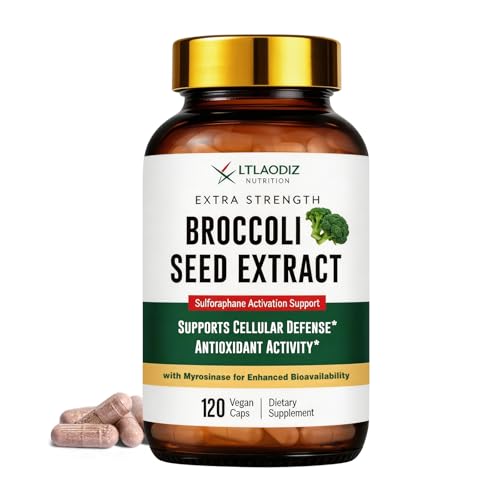
🛒 Where to Buy Sulforaphane
- Nutramax Laboratories Avmacol Regular Strength
tablets, 2 tablets daily — Sulforaphane-producing supplement used in human clinical trials; uses a glucoraphanin + active myrosinase Sulforaphane Production System - Swanson Sulforaphane Broccoli Sprout Extract
capsules, 1 capsule (400 mcg) daily — Budget-friendly option standardized to 0.4% sulforaphane from BroccoPhane concentrate - Source Naturals Broccoli Sprouts Extract
tablets, 1 tablet daily — Delivers 2,000 mcg sulforaphane per serving from freshly germinated broccoli sprouts - Nova Nutritions Broccoli Sprout Extract 1000mg
capsules, 1 capsule daily — Broccoli sprout extract; entry-level price point
As an Amazon Associate we earn from qualifying purchases. Sulforaphane quality depends on conversion, not price. Prefer a product that supplies active myrosinase or pre-converted stabilized sulforaphane rather than glucoraphanin alone, and look for a batch-specific certificate of analysis stating actual glucoraphanin or sulforaphane content, since a label that headlines sulforaphane while the supplement facts list only broccoli sprout extract gives you no way to verify potency.

A Note on the Evidence
This research is early and comes from a small number of trials and research groups; sulforaphane is not FDA-evaluated as an autism treatment and should never replace established behavioral, educational, or medical care. Anyone considering it, especially for a child, should discuss it with their physician first, particularly if thyroid conditions or chemotherapy are involved.
Frequently Asked Questions
Did the Johns Hopkins trials prove sulforaphane treats autism?
No. The trials, including the 2014 PNAS study and the 2024 multi-center RCT, reported improvements on standardized behavioral rating scales compared to placebo, which is meaningful evidence but not proof of a cure or universal effect [1][3].
What dose was used in these studies?
Dosing in the original 2014 trial was based on body weight using a standardized broccoli sprout extract; exact dosing protocols vary by trial and are not something to replicate without a physician’s guidance [1].
Who were the trial participants?
The original 2014 trial focused on adolescent and young adult males with moderate-to-severe ASD, while the 2021 and 2024 trials extended into broader pediatric populations with ASD [1][2][3].

Is sulforaphane safe for kids with autism?
Reported tolerability across trials has generally been good, with mild GI upset as the most common issue. Thyroid effects from high cruciferous intake and chemotherapy interactions are relevant safety considerations to discuss with a doctor before use.
How strong is the overall evidence?
A 2025 systematic review and meta-analysis found a modest pooled benefit across the available randomized trials, but the evidence base remains limited in size and comes mostly from a small number of research teams, so more independent replication is needed [4].
What's the proposed biological mechanism?
Sulforaphane activates the Nrf2 pathway, which upregulates the body’s antioxidant and phase II detoxification enzymes; researchers have used network pharmacology and computational modeling to map this onto pathways relevant to ASD biology, though this is exploratory, not confirmatory, evidence [5].
References
- Singh K et al. Sulforaphane treatment of autism spectrum disorder (ASD). Proceedings of the National Academy of Sciences of the United States of America (2014). PMID 25313065
- Zimmerman AW et al. Randomized controlled trial of sulforaphane and metabolite discovery in children with Autism Spectrum Disorder. Molecular autism (2021). PMID 34034808
- Ou J et al. Efficacy of Sulforaphane in Treatment of Children with Autism Spectrum Disorder: A Randomized Double-Blind Placebo-Controlled Multi-center Trial. Journal of autism and developmental disorders (2024). PMID 36427174
- Wang R et al. The effect of sulforaphane on autism spectrum disorder: systematic review and meta-analysis. EXCLI journal (2025). PMID 40458076
- Long J et al. Investigating the clinical efficacy, safety and molecular mechanism of sulforaphane in autism spectrum disorder: an integrated study combining meta-analysis, network pharmacology, and computational biology. BMC pharmacology & toxicology (2025). PMID 41275316
- Persico AM et al. The pediatric psychopharmacology of autism spectrum disorder: A systematic review – Part II: The future. Progress in neuro-psychopharmacology & biological psychiatry (2025). PMID 39490514
These statements have not been evaluated by the Food and Drug Administration. This information is not intended to diagnose, treat, cure, or prevent any disease. Content is for informational purposes only and is not medical advice; consult a qualified healthcare provider before starting any supplement. As an Amazon Associate we earn from qualifying purchases.
