Sulforaphane doesn’t exist in raw broccoli or broccoli sprouts in meaningful amounts. What’s actually present is glucoraphanin, an inert precursor compound. The conversion from glucoraphanin to active sulforaphane depends entirely on an enzyme called myrosinase, and how much active myrosinase survives your food prep and cooking process is arguably the single biggest variable in whether a sulforaphane-focused meal or supplement actually delivers anything.
This matters practically because two people can eat what looks like the same serving of broccoli sprouts and end up with wildly different sulforaphane exposure, simply because one steamed their vegetables into oblivion (destroying myrosinase) and the other didn’t. This article walks through the mechanism plainly: what myrosinase does, what destroys it, and what the practical implications are for food prep and supplement choice.
Key Takeaways
- Sulforaphane isn’t present in raw broccoli, it’s converted from glucoraphanin by the enzyme myrosinase when plant cells are damaged (chewing, chopping, blending).
- Myrosinase is heat-sensitive; heavy cooking (boiling, extended steaming) can destroy it and sharply reduce sulforaphane conversion even if glucoraphanin is still present.
- Gut bacteria offer a secondary, less reliable conversion pathway if myrosinase has already been denatured by cooking.
- Supplements vary in strategy: glucoraphanin plus added myrosinase (often from mustard seed), pre-converted stabilized sulforaphane, or glucoraphanin alone relying on gut flora.
- For food-based intake, chopping and letting vegetables rest a few minutes before cooking helps preserve myrosinase activity and improve conversion.
The Basic Chemistry: Glucoraphanin to Sulforaphane
Broccoli, broccoli sprouts, and other cruciferous vegetables store their defensive chemistry in two separate compartments within plant cells: glucoraphanin (a glucosinolate) sits in one compartment, and the enzyme myrosinase sits in another. This separation is intentional on the plant’s part. The two only come into contact when the plant’s cell walls are physically disrupted, such as when an insect bites into a leaf or when a human chews, chops, or blends the plant.
Once glucoraphanin and myrosinase mix, myrosinase hydrolyzes glucoraphanin and converts it into sulforaphane. Human feeding work confirms that this enzyme step, rather than the amount of precursor supplied, is what governs how much sulforaphane actually reaches circulation[1]. This is a plant defense mechanism at its origin, sulforaphane and related isothiocyanates are irritating to insects and pathogens, which is why the plant keeps the precursor and the activating enzyme apart until damage occurs. For a human eater, the practical takeaway is that glucoraphanin alone does essentially nothing. Sulforaphane is the active compound of interest, and myrosinase is the gatekeeper that determines whether that conversion happens at all.
Why Cooking Method Changes Everything
Myrosinase is a protein enzyme, and like most enzymes, it is heat-sensitive. Boiling or extensively steaming broccoli denatures myrosinase, often within a few minutes at high temperatures. A controlled human crossover study demonstrated the consequence directly: volunteers given uncooked sprouts with intact myrosinase excreted markedly more isothiocyanate metabolites than those given boiled sprout preparations that retained the glucosinolate but had lost enzyme activity[2]. Once myrosinase is denatured, chewing or chopping the vegetable no longer triggers meaningful conversion of glucoraphanin to sulforaphane, because the enzyme that would do the converting is no longer functional.

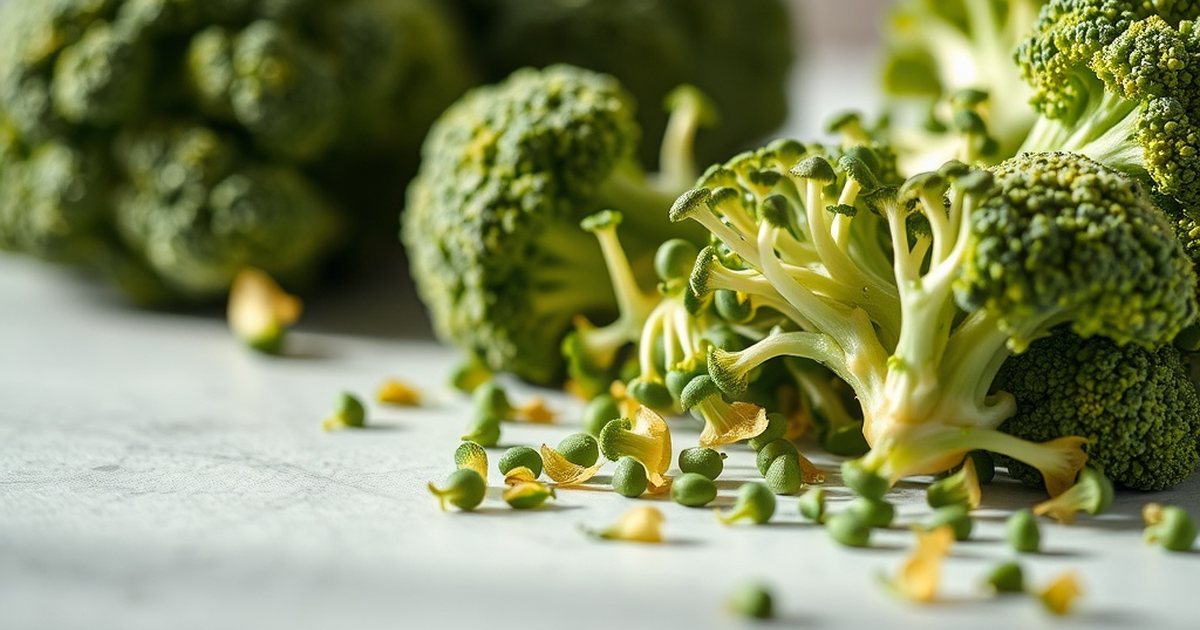
This creates a counterintuitive situation: heavily cooked broccoli can contain plenty of glucoraphanin but deliver very little usable sulforaphane, because the conversion machinery has been destroyed before it had a chance to act. Raw or lightly steamed preparations, or preparations where the vegetable is chopped and allowed to sit for several minutes before any heat is applied, tend to preserve more myrosinase activity and therefore more effective sulforaphane conversion.
This isn’t an argument that cooked cruciferous vegetables are worthless nutritionally, they still offer fiber, vitamins, and other glucosinolate breakdown products. It’s specifically about sulforaphane yield, which is a narrower and more fragile outcome than general vegetable nutrition.
The Gut Bacteria Backup Pathway
If myrosinase has been destroyed by cooking, glucoraphanin isn’t necessarily a total loss. Certain gut bacteria in the colon possess their own myrosinase-like enzymatic activity and can convert some glucoraphanin to sulforaphane after the fact. This is a real, well-established secondary pathway, but it is generally considered less efficient and more variable than conversion via active plant myrosinase in the mouth and gut during eating.
The efficiency of this gut-bacterial conversion pathway depends heavily on an individual’s microbiome composition, which varies significantly from person to person based on diet, antibiotic history, and other factors. That variability has been measured rather than assumed: across two unrelated populations, individual conversion of glucosinolates to isothiocyanates varied enormously between people, and the pathway was abolished by enteric antibiotics and bowel cleansing – which is what identifies it as bacterial rather than human enzymatic activity[3]. This is one of the reasons researchers and practitioners generally treat myrosinase-intact food or myrosinase-supplemented products as a more reliable bet than relying on gut flora alone to do the conversion work.
What This Means for Supplements
The myrosinase problem is a major reason the sulforaphane supplement market is fragmented into different formulation strategies. One further variable sits between the capsule and the bloodstream: stomach acid. In a pilot study, participants taking a proton pump inhibitor excreted MORE sulforaphane metabolites from a myrosinase-containing broccoli seed and sprout extract than they had before starting it, indicating that gastric acidity was attenuating the conversion, and enteric coating improved yield further[4]. That is a small study and not dosing advice, but it does mean a co-delivered enzyme has to survive the stomach to be worth anything.
Some products contain glucoraphanin plus an added myrosinase source (often from mustard seed powder, which is rich in active myrosinase) to ensure conversion happens after ingestion. Others attempt to deliver stabilized, already-converted sulforaphane directly, bypassing the conversion step entirely. Still others deliver glucoraphanin alone and rely on gut bacteria, which, per the mechanism above, is generally the least reliable of the three approaches.

Because sulforaphane itself is a reactive, somewhat unstable compound, formulating a product that delivers stable, active sulforaphane directly is technically more difficult than it sounds, and product quality varies considerably across brands. Products that pair glucoraphanin with active myrosinase are attempting to replicate what a lightly-prepared broccoli sprout does naturally: keep the precursor and the enzyme separate until the moment of consumption, then let them react.
None of this is regulated as drug-grade dosing. Sulforaphane and broccoli sprout extract products are not FDA-evaluated for the claims made about them, and label claims about myrosinase content or sulforaphane yield are not independently verified in the way a pharmaceutical dose would be.
Practical Takeaways for Food Prep
If the goal is maximizing sulforaphane from food rather than a supplement, the practical levers are timing and heat. Chopping, chewing, or blending broccoli or broccoli sprouts and letting the mixture sit for several minutes before cooking gives myrosinase a window to act on glucoraphanin before heat can denature the enzyme. Some home cooks apply this deliberately: chop first, rest 5 to 10 minutes, then cook if desired.
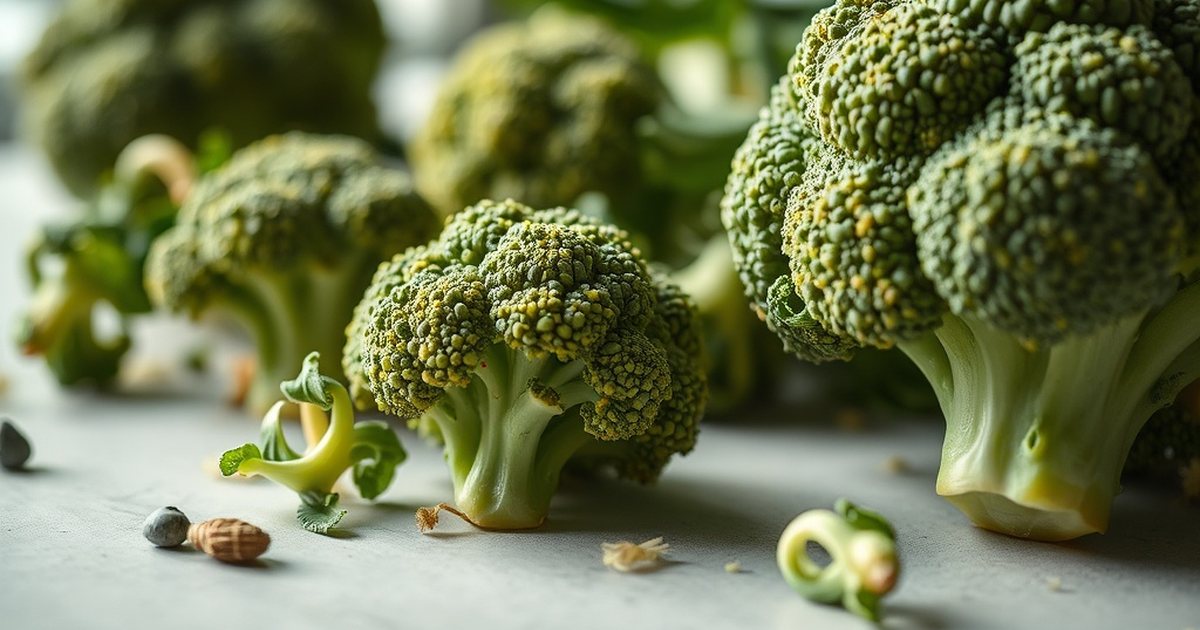
Raw broccoli sprouts eaten fresh, without any heat exposure, are generally considered one of the more myrosinase-reliable ways to get sulforaphane from food, simply because there’s no cooking step to destroy the enzyme. That said, raw sprouts carry their own food-safety considerations (sprouts in general have a higher risk profile for bacterial contamination like Salmonella and E. coli), which is a separate practical tradeoff worth being aware of.
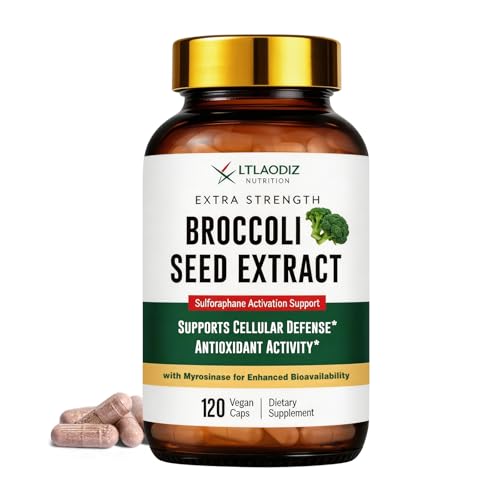
🛒 Where to Buy Sulforaphane
- Nutramax Laboratories Avmacol Regular Strength
tablets, 2 tablets daily — Sulforaphane-producing supplement used in human clinical trials; uses a glucoraphanin + active myrosinase Sulforaphane Production System - Swanson Sulforaphane Broccoli Sprout Extract
capsules, 1 capsule (400 mcg) daily — Budget-friendly option standardized to 0.4% sulforaphane from BroccoPhane concentrate - Source Naturals Broccoli Sprouts Extract
tablets, 1 tablet daily — Delivers 2,000 mcg sulforaphane per serving from freshly germinated broccoli sprouts - Nova Nutritions Broccoli Sprout Extract 1000mg
capsules, 1 capsule daily — Broccoli sprout extract; entry-level price point
As an Amazon Associate we earn from qualifying purchases. Sulforaphane quality depends on conversion, not price. Prefer a product that supplies active myrosinase or pre-converted stabilized sulforaphane rather than glucoraphanin alone, and look for a batch-specific certificate of analysis stating actual glucoraphanin or sulforaphane content, since a label that headlines sulforaphane while the supplement facts list only broccoli sprout extract gives you no way to verify potency.
A Note on the Evidence
This article describes general, well-established mechanisms of sulforaphane formation and is not based on specific clinical trial data for this particular comparison. Broccoli sprout extract and sulforaphane supplements are not evaluated by the FDA as drugs; people in active cancer treatment, those with thyroid conditions, and anyone with food-safety concerns around raw sprouts should consult their physician before making changes to intake.
Frequently Asked Questions
Does cooking broccoli destroy all the sulforaphane benefit?
Cooking doesn’t remove sulforaphane’s potential value entirely, but it can substantially reduce the amount actually converted if myrosinase is denatured before conversion happens. Lightly steaming or chopping-then-resting before cooking tends to preserve more myrosinase activity than boiling.
Is raw broccoli sprout better than cooked broccoli for sulforaphane?
Raw or minimally processed broccoli sprouts generally preserve more active myrosinase than heavily cooked broccoli, which supports more reliable glucoraphanin-to-sulforaphane conversion. Broccoli sprouts also tend to have a higher glucoraphanin concentration than mature broccoli to begin with.

What is mustard seed powder doing in some sulforaphane supplements?
Mustard seed is a rich natural source of active myrosinase. Supplement makers add it to glucoraphanin-based products so the enzyme survives to react with the glucoraphanin after ingestion, mimicking what happens when you chew fresh broccoli sprouts.
If I destroy myrosinase by cooking, can my gut bacteria still make sulforaphane?
Some gut bacteria have myrosinase-like activity and can convert leftover glucoraphanin, but this pathway is generally considered less efficient and more variable between individuals than conversion via active plant or supplement-derived myrosinase.
Are all broccoli sprout or sulforaphane supplements formulated the same way?
No. Formulations differ meaningfully: some pair glucoraphanin with added myrosinase, some attempt to deliver stabilized sulforaphane directly, and some provide glucoraphanin alone. These are not FDA-evaluated as drugs, so label claims about conversion efficiency aren’t independently verified the way a regulated pharmaceutical would be.
Is it safe to eat broccoli sprouts raw every day?
Raw sprouts carry a higher food-safety risk profile than cooked vegetables because sprout-growing conditions can favor bacterial contamination (Salmonella, E. coli). This is a separate consideration from myrosinase and sulforaphane, and people who are pregnant, immunocompromised, elderly, or otherwise higher-risk should be more cautious with raw sprouts specifically.
References
- Fahey JW et al. Sulforaphane bioavailability from glucoraphanin-rich broccoli: control by active endogenous myrosinase. PLoS One (2015). PMID 26524341
- Shapiro TA et al. Chemoprotective glucosinolates and isothiocyanates of broccoli sprouts: metabolism and excretion in humans. Cancer Epidemiol Biomarkers Prev (2001). PMID 11352861
- Fahey JW et al. Protection of humans by plant glucosinolates: efficiency of conversion of glucosinolates to isothiocyanates by the gastrointestinal microflora. Cancer Prev Res (Phila) (2012). PMID 22318753
- Fahey JW et al. Bioavailability of sulforaphane following ingestion of glucoraphanin-rich broccoli sprout and seed extracts with active myrosinase: a pilot study of the effects of proton pump inhibitor administration. Nutrients (2019). PMID 31261930
These statements have not been evaluated by the Food and Drug Administration. This information is not intended to diagnose, treat, cure, or prevent any disease. Content is for informational purposes only and is not medical advice; consult a qualified healthcare provider before starting any supplement. As an Amazon Associate we earn from qualifying purchases.
