Sulforaphane doesn’t exist ready-made in broccoli or its sprouts. It’s produced when a precursor compound, glucoraphanin, is broken down by an enzyme called myrosinase, and that conversion step is where the extract-versus-fresh-sprouts debate actually lives. Get the conversion step wrong and it barely matters how much glucoraphanin was in the plant to begin with.
This piece isn’t a verdict that one format is universally superior. It’s a walkthrough of how each delivery method handles the glucoraphanin-to-sulforaphane conversion, where each one tends to fail in practice, and what that means if your goal is consistent, meaningful Nrf2 pathway activation rather than just eating something that sounds healthy.
Key Takeaways
- Sulforaphane isn’t present in broccoli or sprouts directly, it’s formed when myrosinase converts glucoraphanin, and that conversion step, not raw glucoraphanin content, determines what you actually absorb
- Fresh, raw sprouts keep enzyme and substrate together until you chew them, which is reliable, but potency still varies by growing conditions and is lost with overcooking or prolonged storage
- Extract supplements offer dose consistency but are only as good as their manufacturing, non-pre-converted products can lose myrosinase activity during processing, so quality and third-party testing matter
- Both formats can underperform if done poorly (unverified supplement quality vs. overcooked or stale sprouts) and both can perform well if done carefully
- This is a food-quality and consumer-choice comparison, not a medical decision, consult a doctor before use if pregnant, on medication, or in active cancer treatment
The conversion problem: why glucoraphanin content isn't the same as sulforaphane content
Glucoraphanin is inert until myrosinase acts on it. In an intact, raw broccoli sprout, the enzyme and its substrate are stored in separate plant cell compartments. Chewing, blending, or otherwise damaging the plant tissue is what brings them together and triggers conversion to active sulforaphane. This is why a nutrition label listing ‘glucoraphanin content’ tells you almost nothing about how much sulforaphane you’ll actually absorb.
Heat is the main threat to this process, because myrosinase is a protein and denatures well before glucoraphanin itself breaks down. Cooking sprouts or broccoli hard enough kills the enzyme while leaving the inactive precursor intact, which is a common reason people report ‘eating broccoli’ but getting a fraction of the expected sulforaphane. Gut bacteria can perform some conversion independently of plant myrosinase – a pathway confirmed in humans by the fact that it disappears after enteric antibiotics and bowel cleansing, and one whose efficiency differs enormously from person to person[1] – but this pathway is considered inconsistent and highly variable between individuals, so it’s not something either extract or fresh sprouts should be counted on to rely on.

How broccoli sprout extract handles the myrosinase problem
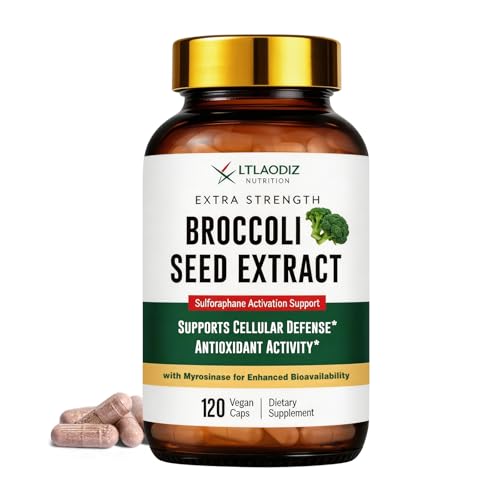
Commercial extracts fall into two broad categories that behave very differently: those that are pre-converted (sulforaphane is already formed during manufacturing, often stabilized or bound to a carrier), and those that are standardized glucoraphanin powders that still rely on active myrosinase, either included in the same capsule or assumed to come from gut bacteria or co-ingested food.
This distinction is the one human bioavailability work keeps landing on: what is delivered to the bloodstream tracks the presence of ACTIVE myrosinase, not the glucoraphanin figure on the label[2]. The practical issue is that myrosinase is heat- and processing-sensitive, and many manufacturing steps (drying, extraction solvents, extended shelf storage) can inactivate it. A supplement that lists a glucoraphanin content on the label but has lost its active myrosinase during processing may deliver far less usable sulforaphane than the number on the bottle implies, unless the product has been formulated and tested specifically to preserve enzyme activity or supplies stabilized, already-active sulforaphane directly.
The upside of extract is standardization and convenience: a well-made product can specify a consistent dose per capsule, avoid the variability of home growing, and skip the raw-vegetable prep step entirely. The catch is that ‘well-made’ is doing a lot of work in that sentence, and supplement quality in this category varies considerably between brands.
How fresh, home-grown sprouts handle the myrosinase problem
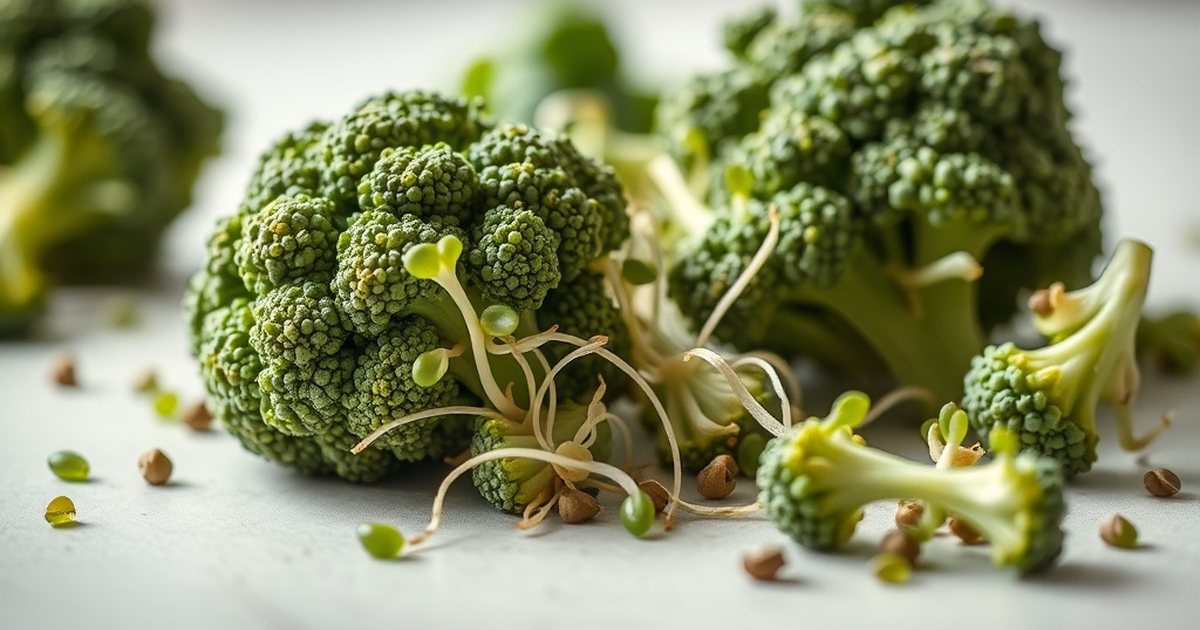
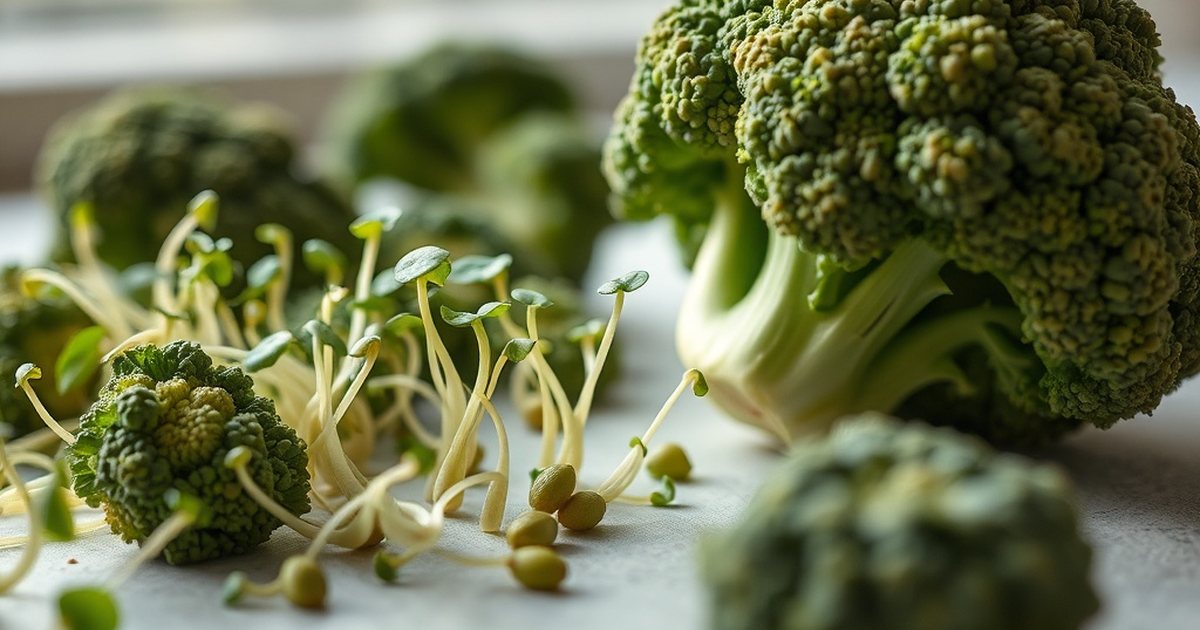
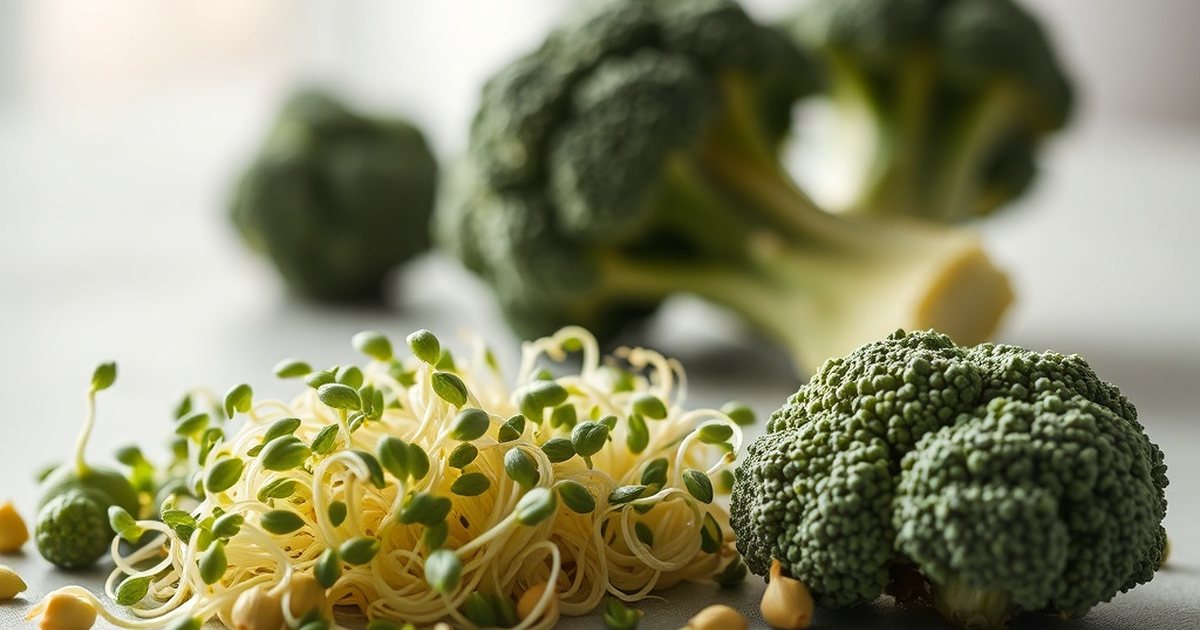
Fresh, raw broccoli sprouts keep glucoraphanin and myrosinase in their natural, intact state until the moment they’re chewed or otherwise mechanically disrupted, which is the most reliable single point at which conversion can happen. This is the underlying reason fresh sprouts are often treated as something of a reference point in sulforaphane discussions: nothing has been done to the plant tissue that would separate the enzyme from its substrate before you eat it.
That reliability is conditional, though. It depends on eating the sprouts raw or very lightly prepared (steaming briefly at lower temperatures preserves more myrosinase activity than boiling), chewing thoroughly, and eating them reasonably fresh, since enzyme activity and glucoraphanin content can decline with prolonged storage. Blending sprouts into a smoothie and then letting the mixture sit before drinking, or juicing and immediately heating the juice, can undercut the same conversion process that eating them raw would otherwise support.

Home growing also introduces variability the eater controls directly: seed source, sprouting time, and growing conditions all affect glucoraphanin content in the finished sprout, and there’s no label to check. Two batches from the same seed packet can differ in potency depending on how they were grown.
Comparing the two: what actually determines which wins
Neither format has an inherent advantage in the raw amount of glucoraphanin available. Broccoli sprouts, whether eaten fresh or used as the source material for an extract, are consistently reported as having substantially higher glucoraphanin concentrations than mature broccoli heads – the original survey found three-day-old sprouts of some cultivars carrying 10 to 100 times the level of the mature plant[3]. One caveat is worth stating plainly, though, because it cuts against the assumption that a manufactured extract is automatically the more efficient delivery route: in a randomised crossover trial in healthy adults, fresh sprouts and a myrosinase-treated sprout extract were each dosed to supply 200 umol of sulforaphane per day, and the sprout arm produced roughly three times the plasma and urinary metabolite levels of the extract arm[4]. That is one extract in one trial rather than a verdict on the category, but it does mean the burden of proof sits with a given product, not with the format. The extract-vs-fresh comparison isn’t really about the plant, it’s about what happens to that glucoraphanin between harvest and consumption.
For fresh sprouts, the main risks are inconsistent home-growing potency and losing myrosinase activity through overcooking or poor prep. For extract, the main risks are inactivated myrosinase during manufacturing (for non-pre-converted products) and variable third-party quality control, since supplement labeling accuracy in this space is not uniformly regulated or verified.
In practice, the more useful comparison isn’t extract versus fresh in the abstract, it’s ‘a well-formulated, third-party-tested extract that either delivers pre-formed sulforaphane or verified active myrosinase’ versus ‘fresh, raw, well-grown sprouts eaten promptly and chewed thoroughly.’ Either of those two scenarios likely outperforms either format done poorly, a cheap unverified extract or overcooked, stale sprouts.
Practical factors beyond bioavailability
Cost and effort cut in opposite directions. Growing your own sprouts is inexpensive per serving but requires several days of lead time, attention to food safety during sprouting (raw sprouts of any kind carry a higher bacterial contamination risk than cooked vegetables, which is a standard food-safety caveat, not specific to broccoli), and a willingness to eat a fairly pungent raw vegetable regularly. Extract is more expensive per dose but removes the growing, washing, and prep steps entirely.
Dose consistency is the other practical divide. A capsule states a specific amount per serving, even if the real-world sulforaphane yield depends on formulation quality as discussed above. Fresh sprouts don’t come with a dose printed on them, so anyone trying to hit a specific, research-referenced intake target has to estimate based on typical concentrations, which introduces its own uncertainty.
Who might reasonably prefer each option
Someone who dislikes the taste of raw sprouts, travels frequently, or wants a fixed, trackable dose may find a quality-verified extract more sustainable long-term than committing to a home-growing routine. Someone comfortable with basic kitchen prep, who wants to avoid supplement-quality uncertainty, and who eats the sprouts raw or lightly prepared may get equally good or better real-world sulforaphane exposure from fresh sprouts at a lower cost.
For either path, the manufacturing or preparation details matter more than the format itself. A cheap, unverified extract and a batch of overcooked sprouts can both underperform a mediocre expectation; a well-formulated extract and properly grown, raw, promptly eaten sprouts can both deliver meaningfully on the Nrf2-activation premise that makes this compound of interest in the first place.
🛒 Where to Buy Sulforaphane

- Nutramax Laboratories Avmacol Regular Strength
tablets, 2 tablets daily — Sulforaphane-producing supplement used in human clinical trials; uses a glucoraphanin + active myrosinase Sulforaphane Production System - Swanson Sulforaphane Broccoli Sprout Extract
capsules, 1 capsule (400 mcg) daily — Budget-friendly option standardized to 0.4% sulforaphane from BroccoPhane concentrate - Source Naturals Broccoli Sprouts Extract
tablets, 1 tablet daily — Delivers 2,000 mcg sulforaphane per serving from freshly germinated broccoli sprouts - Nova Nutritions Broccoli Sprout Extract 1000mg
capsules, 1 capsule daily — Broccoli sprout extract; entry-level price point
As an Amazon Associate we earn from qualifying purchases. Sulforaphane quality depends on conversion, not price. Prefer a product that supplies active myrosinase or pre-converted stabilized sulforaphane rather than glucoraphanin alone, and look for a batch-specific certificate of analysis stating actual glucoraphanin or sulforaphane content, since a label that headlines sulforaphane while the supplement facts list only broccoli sprout extract gives you no way to verify potency.
A Note on the Evidence
This comparison reflects general, well-established plant biochemistry rather than head-to-head clinical trials of extract versus home-grown sprouts specifically, and individual absorption varies. This is informational content, not medical advice, consult a healthcare provider before starting any supplement, especially if pregnant, on medication, or being treated for a thyroid condition or cancer.
Frequently Asked Questions
Does cooking broccoli sprouts destroy the sulforaphane benefit?
Cooking doesn’t destroy sulforaphane that has already formed, but high heat inactivates myrosinase, the enzyme needed to convert glucoraphanin into sulforaphane in the first place. Light steaming preserves more enzyme activity than boiling or high-heat sauteing.
Is broccoli sprout extract regulated the same way as a drug?
No. Sulforaphane and broccoli sprout extract are dietary supplements in most markets and are not FDA-evaluated as drugs, meaning label claims and manufacturing quality can vary between brands.

Can I get sulforaphane from eating regular mature broccoli instead of sprouts?
Mature broccoli contains glucoraphanin and myrosinase too, but sprouts are consistently reported to have substantially higher glucoraphanin concentrations per gram, which is why sprouts and sprout-derived extracts are the focus of most sulforaphane discussion.
Are raw sprouts safe to eat regularly?
Raw sprouts of any kind (broccoli, alfalfa, etc.) carry a higher risk of bacterial contamination than cooked vegetables, a standard food-safety consideration, not unique to broccoli. Sourcing from a reputable grower or following safe home-sprouting practices reduces this risk.
How do I know if a broccoli sprout extract actually has active myrosinase?
Look for products that specify third-party testing and either pre-formed, stabilized sulforaphane content or verified active myrosinase, rather than only listing raw glucoraphanin content, since glucoraphanin alone doesn’t guarantee conversion happened.
Is sulforaphane safe to take alongside medication?
Some users report mild GI upset at higher doses, and very high cruciferous intake may have a mild goitrogenic effect relevant to thyroid conditions. Sulforaphane may also interact with certain chemotherapy regimens, so anyone in active cancer treatment should consult their oncologist before use.
References
- Fahey JW et al. Protection of humans by plant glucosinolates: efficiency of conversion of glucosinolates to isothiocyanates by the gastrointestinal microflora. Cancer Prev Res (Phila) (2012). PMID 22318753
- Fahey JW et al. Sulforaphane bioavailability from glucoraphanin-rich broccoli: control by active endogenous myrosinase. PLoS One (2015). PMID 26524341
- Fahey JW et al. Broccoli sprouts: an exceptionally rich source of inducers of enzymes that protect against chemical carcinogens. Proc Natl Acad Sci U S A (1997). PMID 9294217
- Atwell LL et al. Absorption and chemopreventive targets of sulforaphane in humans following consumption of broccoli sprouts or a myrosinase-treated broccoli sprout extract. Mol Nutr Food Res (2015). PMID 25522265
These statements have not been evaluated by the Food and Drug Administration. This information is not intended to diagnose, treat, cure, or prevent any disease. Content is for informational purposes only and is not medical advice; consult a qualified healthcare provider before starting any supplement. As an Amazon Associate we earn from qualifying purchases.
