Sulforaphane’s metabolic research is one of the more clinically advanced parts of its evidence base, anchored by a randomized controlled trial published in a major peer-reviewed journal that specifically tested it in people with type 2 diabetes. That puts this topic on firmer ground than many other sulforaphane health claims, though it still comes with real limits worth understanding.
This article covers what the key human trial found, the proposed mechanism behind it, and where the evidence is still building.
Key Takeaways
- A study published in Science Translational Medicine found sulforaphane, delivered as concentrated broccoli sprout extract, reduced fasting blood glucose and HbA1c in obese patients with dysregulated type 2 diabetes [1].
- The proposed mechanism involves sulforaphane activating Nrf2 in liver cells, which reduces expression of enzymes involved in glucose production, in effect turning down excess glucose output from the liver [1].
- In animal models, sulforaphane’s effect on glucose intolerance was described as similar in magnitude to metformin, a first-line diabetes medication, though this comparison hasn’t been directly replicated in a head-to-head human trial [1].
- Sulforaphane is not an approved diabetes medication and should never replace prescribed treatment.
- This information is educational and not a substitute for guidance from an endocrinologist or primary care physician.
The mechanism: turning down excess liver glucose production
In people with type 2 diabetes, the liver often overproduces glucose even when blood sugar is already elevated, a process called excessive hepatic gluconeogenesis. Researchers investigating sulforaphane’s metabolic effects found that it suppresses this glucose production by promoting nuclear translocation of Nrf2 in liver cells, which in turn decreases the expression of key enzymes the liver uses to manufacture glucose [1].
In diabetic animal models, this effect reversed a disease-associated gene expression pattern in the liver and reduced exaggerated glucose production and glucose intolerance, with the researchers describing the magnitude as comparable to metformin, one of the most widely prescribed diabetes medications.
What the human trial actually found
The pivotal human study tested concentrated broccoli sprout extract in obese patients with dysregulated type 2 diabetes and found it reduced both fasting blood glucose and HbA1c, the standard 3-month blood sugar average used to monitor diabetes control [1]. The extract was reported as well tolerated in the trial. This study was registered on ClinicalTrials.gov (NCT02801448) as part of a broader research effort into broccoli sprout extract for glucose tolerance and insulin sensitivity.
Separately, earlier randomized double-blind trials from a different research group also reported that broccoli sprouts reduced markers of insulin resistance and oxidative stress in people with type 2 diabetes, adding independent support from a different lab and population.
A newer trial extends this to prediabetes
Follow-up research from the same research group behind the original diabetes trial has since tested sulforaphane specifically in people with prediabetes, elevated fasting blood sugar that hasn’t yet progressed to diagnosed diabetes. In a twelve-week randomized trial of 89 overweight or obese adults, participants taking sulforaphane showed a greater average reduction in fasting blood sugar than those on placebo.
Notably, the researchers observed that the effect wasn’t uniform, participants who benefited most tended to have early-stage, mild disease markers: a relatively low BMI, low insulin resistance, low fatty liver involvement, and low insulin secretion. That’s a meaningful and honest nuance: sulforaphane may work better for certain metabolic subtypes than for people with more advanced disease, a pattern worth being aware of rather than assuming uniform benefit across everyone with elevated blood sugar.
What this doesn’t establish
This research doesn’t support sulforaphane as a replacement for prescribed diabetes medication, insulin, or lifestyle management (diet and exercise remain foundational). The trials that exist used specific, standardized broccoli sprout extract doses under clinical supervision, not an assumption that any over-the-counter sulforaphane product will replicate the same results. Anyone with diagnosed diabetes considering sulforaphane supplementation should treat it as a potential complementary approach to discuss with their physician, not a substitute for their existing treatment plan.
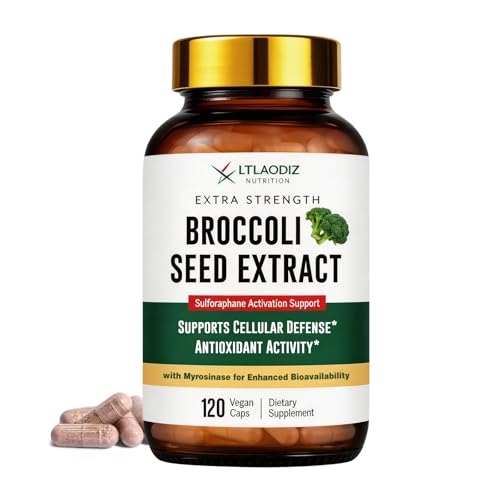
Recommended Sulforaphane Supplements
For readers interested in the broccoli sprout extract category studied in this metabolic research, the products below are commonly compared.

A Note on the Evidence
This article is informational, not medical advice. While the diabetes research on sulforaphane is more clinically developed than many other claimed benefits, it remains a complementary research area, not an approved treatment. Anyone with type 2 diabetes or prediabetes should discuss any supplement use with their physician, particularly given the risk of interaction with glucose-lowering medications.
Frequently Asked Questions
Can sulforaphane replace my diabetes medication?
No. Sulforaphane is not an approved diabetes treatment, and no research supports replacing prescribed medication with it. The human trials that showed benefit involved standardized broccoli sprout extract used as a studied intervention, not a substitute for medical treatment [1].
Does sulforaphane lower blood sugar in everyone with diabetes?
Follow-up research on prediabetes found the effect was strongest in people with earlier-stage, milder metabolic markers, suggesting sulforaphane may not work uniformly across all severity levels of blood sugar dysregulation.
How does sulforaphane lower blood sugar?
The proposed mechanism is that sulforaphane activates Nrf2 in liver cells, which reduces expression of enzymes the liver uses to produce glucose, effectively turning down excess glucose output from the liver [1].
Is this the same research as sulforaphane and insulin resistance generally?
They’re closely related. The core human trial measured both fasting glucose/HbA1c and, in earlier trials, markers of insulin resistance specifically, so the diabetes and insulin-resistance research overlaps substantially rather than being fully separate bodies of evidence.
Could sulforaphane interact with my diabetes medication?
Because sulforaphane has demonstrated a real glucose-lowering effect in trials, combining it with glucose-lowering medication could theoretically increase the risk of low blood sugar. This is a specific reason to involve a physician before adding sulforaphane to an existing diabetes treatment plan.
References
- Axelsson AS et al. Sulforaphane Reduces Hepatic Glucose Production and Improves Glucose Control in Patients with Type 2 Diabetes. Sci Transl Med (2017). PMID 28615356
These statements have not been evaluated by the Food and Drug Administration. This information is not intended to diagnose, treat, cure, or prevent any disease. Content is for informational purposes only and is not medical advice; consult a qualified healthcare provider before starting any supplement. As an Amazon Associate we earn from qualifying purchases.
