Sulforaphane is an isothiocyanate compound produced when glucoraphanin, a compound concentrated in broccoli and especially broccoli sprouts, is converted by the plant enzyme myrosinase. This conversion happens when the plant tissue is damaged, such as by chewing or chopping, which is why raw or lightly prepared sprouts and broccoli tend to deliver more active sulforaphane than heavily cooked vegetables.
‘Detoxification’ in this context has a specific scientific meaning: it refers to the body’s phase I and phase II enzyme systems, which chemically transform drugs, pollutants, and other foreign compounds (xenobiotics) so they can be more easily excreted. Sulforaphane is one of the most studied plant compounds for its ability to influence this system, but the strength of the evidence varies a lot depending on whether you’re looking at cell studies, animal studies, or human trials. This article lays out what’s been shown at each level.
Key Takeaways
- Sulforaphane activates the Nrf2 pathway, which upregulates the body’s own phase II detoxification enzymes rather than directly binding and removing toxins [1] [2].
- Most detoxification evidence comes from cell and animal studies [3] [4]; direct human trial evidence is narrower and pollutant-specific.
- Two human trials found broccoli sprout extract increased urinary excretion of benzene and tobacco-smoke carcinogen metabolites in exposed populations [5] [6].
- Bioavailability depends on active myrosinase and individual digestive factors like PPI use, not just glucoraphanin content [7].
- There is no clinical evidence supporting broad ‘detox’ claims beyond the specific pollutants studied; sulforaphane is not a proven treatment for heavy metal or alcohol clearance.
The mechanism: Nrf2 and phase II enzymes
The body clears foreign chemicals through a two-phase enzyme system. Phase I enzymes, largely cytochrome P450s, chemically modify a compound, which can sometimes make it more reactive or even more toxic before it is neutralized. Phase II enzymes then conjugate that intermediate with molecules like glutathione, glucuronic acid, or sulfate, making it water-soluble enough for the kidneys or liver to excrete it [8].
Sulforaphane’s primary mechanism is activation of Nrf2 (NFE2L2), a transcription factor that, once activated, binds to antioxidant response elements in DNA and switches on a battery of protective genes, including several phase II detoxification enzymes such as glutathione S-transferases, NAD(P)H quinone dehydrogenase 1 (NQO1), and UDP-glucuronosyltransferases [1] [2]. Notably, one study found sulforaphane’s effect on phase II versus phase III (transporter) enzymes differs between transformed cancer cells and normal, untransformed colon epithelial cells, suggesting the response is context-dependent rather than uniform across all tissue types [2].

Because Nrf2 activation upregulates the body’s own protective enzymes rather than directly binding and removing toxins, sulforaphane is better described as a modulator that primes the detoxification system, not a substance that directly ‘flushes out’ anything on its own.
Cell and animal evidence for enzyme induction
Much of the early and foundational work on sulforaphane’s detoxification effects comes from cell culture and animal models. These studies consistently show that sulforaphane induces phase II enzyme activity and is associated with reduced chemical carcinogenesis in these systems [3].
In cardiovascular-focused research, sulforaphane’s induction of phase II enzymes has also been studied for its potential to reduce oxidative stress relevant to vascular tissue, based on the same Nrf2-driven enzyme induction pathway [9].
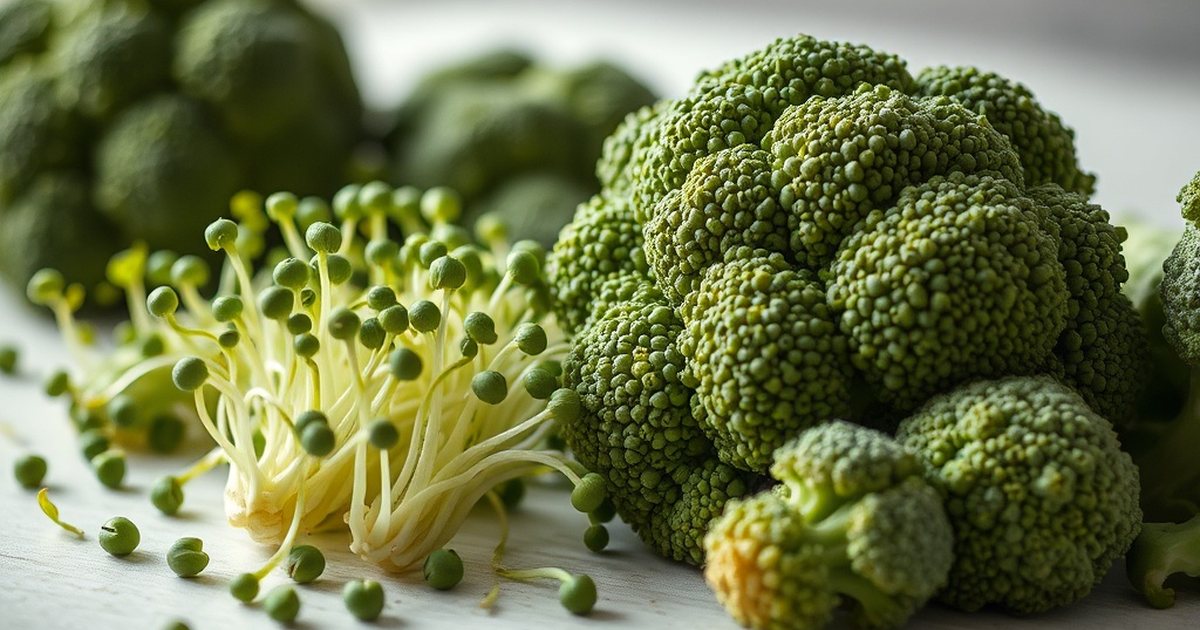
Reviews of dietary chemoprevention strategies have specifically highlighted enhanced-glucoraphanin broccoli and sulforaphane as inducers of phase II antioxidant and detoxification enzymes in preclinical lung carcinogenesis models, part of a broader body of work looking at whether boosting this enzyme system before or during exposure to airborne carcinogens can reduce tissue damage [4] [1].
Human trials: pollutant clearance in real-world exposure
The most direct human evidence for sulforaphane’s detoxification effects comes from a set of randomized trials conducted in populations with known environmental or lifestyle chemical exposure. In a randomized trial in Qidong, China, a region with historically high airborne pollution, participants who drank a broccoli sprout beverage showed dose-dependent increases in the urinary excretion of benzene, a known airborne pollutant and carcinogen, compared to those who received a placebo beverage [5].

A separate randomized crossover trial in current smokers tested broccoli seed and sprout extract and found evidence of enhanced detoxification of specific tobacco-smoke carcinogens, measured through changes in urinary metabolites associated with those compounds [6]. This is one of the few controlled human trials directly linking broccoli sprout extract intake to measurable changes in carcinogen metabolite excretion in people with ongoing real-world exposure.
These two trials are meaningful because they move beyond enzyme activity in a dish or a rodent and instead measure an actual downstream outcome, pollutant excretion, in humans. That said, both were relatively short-term, focused on specific pollutant classes (benzene, tobacco carcinogens), and don’t establish that sulforaphane reduces broader disease risk from pollutant exposure; they show a measurable metabolic effect, not a proven health outcome.
Bioavailability: why form and preparation matter
Sulforaphane’s detoxification effects depend entirely on it reaching the bloodstream in active form, which is a bigger variable than people often assume. Glucoraphanin must be converted to sulforaphane by myrosinase, an enzyme that is destroyed by heat and can also be affected by stomach acidity.
A pilot study examined bioavailability of sulforaphane from glucoraphanin-rich broccoli sprout and seed extracts with active myrosinase, including how proton pump inhibitor (PPI) use affects absorption. The study found that active myrosinase content and gut conditions materially influence how much sulforaphane actually becomes bioavailable after ingestion, meaning two products with similar glucoraphanin content can produce very different blood levels of active sulforaphane depending on formulation and individual digestive factors like PPI use [7].
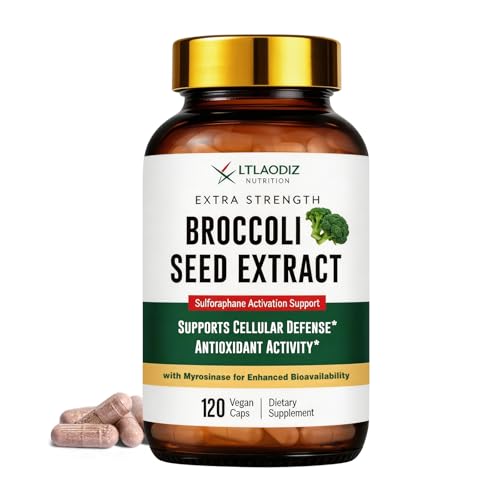
This matters practically: a supplement or food source touted as ‘high in glucoraphanin’ does not guarantee meaningful sulforaphane exposure unless active myrosinase (from the plant itself or added separately) is also present and functional.
Where the clinical evidence stands overall
A 2025 review analyzing clinical trials and mechanistic research on sulforaphane described it as a compound with a well-established mechanistic basis and a growing but still limited body of clinical trial evidence across multiple potential applications, detoxification-related and otherwise [10]. The review’s framing is consistent with what the rest of the literature shows: strong, repeatedly replicated cell and animal mechanism data, and a small but real set of human trials, concentrated in specific pollutant-exposure contexts (benzene, tobacco carcinogens) rather than general ‘detox’ claims.
It’s worth being precise about what hasn’t been shown. There is no clinical trial evidence that sulforaphane clears heavy metals, alcohol, or the broad category of substances marketed under generic ‘detox’ claims. The human evidence that exists is specific to certain airborne and combustion-derived pollutants in populations with documented exposure.
🛒 Where to Buy Sulforaphane

- Nutramax Laboratories Avmacol Regular Strength
tablets, 2 tablets daily — Sulforaphane-producing supplement used in human clinical trials; uses a glucoraphanin + active myrosinase Sulforaphane Production System - Swanson Sulforaphane Broccoli Sprout Extract
capsules, 1 capsule (400 mcg) daily — Budget-friendly option standardized to 0.4% sulforaphane from BroccoPhane concentrate - Source Naturals Broccoli Sprouts Extract
tablets, 1 tablet daily — Delivers 2,000 mcg sulforaphane per serving from freshly germinated broccoli sprouts - Nova Nutritions Broccoli Sprout Extract 1000mg
capsules, 1 capsule daily — Broccoli sprout extract; entry-level price point
As an Amazon Associate we earn from qualifying purchases. Sulforaphane quality depends on conversion, not price. Prefer a product that supplies active myrosinase or pre-converted stabilized sulforaphane rather than glucoraphanin alone, and look for a batch-specific certificate of analysis stating actual glucoraphanin or sulforaphane content, since a label that headlines sulforaphane while the supplement facts list only broccoli sprout extract gives you no way to verify potency.
A Note on the Evidence
Sulforaphane and broccoli sprout extract are not FDA-evaluated as drugs, and most detoxification evidence comes from cell and animal studies rather than large human trials; very high cruciferous vegetable intake may have a mild goitrogenic effect relevant to thyroid conditions, and anyone in active cancer treatment or on other medications should consult their doctor before using concentrated sulforaphane products. This article is informational and not medical advice.
Frequently Asked Questions
Does sulforaphane detox your whole body?
No. The clinical evidence is limited to specific measured outcomes, such as increased urinary excretion of benzene and certain tobacco-smoke carcinogen metabolites in exposed populations [5] [6]. There’s no evidence supporting general whole-body ‘detox’ claims.
How does sulforaphane actually work for detoxification?
It activates the Nrf2 transcription factor, which turns on genes for phase II detoxification enzymes like glutathione S-transferases and NQO1 that help the body process and excrete foreign compounds [8] [1].
Do I need raw broccoli sprouts, or does cooked broccoli work?
Myrosinase, the enzyme needed to convert glucoraphanin into active sulforaphane, is heat-sensitive, and bioavailability studies show that active myrosinase content significantly affects how much sulforaphane reaches the bloodstream [7]. Raw or lightly prepared sprouts generally provide more active myrosinase than heavily cooked broccoli.

Is there human trial evidence, or is this mostly lab research?
Both exist. Most mechanistic detail comes from cell and animal studies [3] [4], but there are also randomized human trials showing increased excretion of specific pollutant metabolites after broccoli sprout extract intake [5] [6].
Can proton pump inhibitors (PPIs) affect how sulforaphane works?
A bioavailability study found that PPI use is a variable that can influence sulforaphane absorption from broccoli sprout and seed extracts, likely related to changes in stomach acidity affecting myrosinase activity [7]. Anyone on a PPI should factor this into expectations about supplement effectiveness.
Is sulforaphane safe to take alongside cancer treatment?
Anyone in active cancer treatment should consult their oncologist before using sulforaphane or broccoli sprout extract, since sulforaphane may interact with certain chemotherapy regimens.
References
- James D et al. Novel concepts of broccoli sulforaphanes and disease: induction of phase II antioxidant and detoxification enzymes by enhanced-glucoraphanin broccoli. Nutrition reviews (2012). PMID 23110644
- Lubelska K et al. Sulforaphane Regulates NFE2L2/Nrf2-Dependent Xenobiotic Metabolism Phase II and Phase III Enzymes Differently in Human Colorectal Cancer and Untransformed Epithelial Colon Cells. Nutrition and cancer (2016). PMID 27636860
- Jiang X et al. Chemopreventive activity of sulforaphane. Drug design, development and therapy (2018). PMID 30254420
- Tan XL et al. Dietary chemoprevention strategies for induction of phase II xenobiotic-metabolizing enzymes in lung carcinogenesis: A review. Lung cancer (Amsterdam, Netherlands) (2009). PMID 19185948
- Chen JG et al. Dose-dependent detoxication of the airborne pollutant benzene in a randomized trial of broccoli sprout beverage in Qidong, China. The American journal of clinical nutrition (2019). PMID 31268126
- Bauman JE et al. Randomized Crossover Trial Evaluating Detoxification of Tobacco Carcinogens by Broccoli Seed and Sprout Extract in Current Smokers. Cancers (2022). PMID 35565256
- Fahey JW et al. Bioavailability of Sulforaphane Following Ingestion of Glucoraphanin-Rich Broccoli Sprout and Seed Extracts with Active Myrosinase: A Pilot Study of the Effects of Proton Pump Inhibitor Administration. Nutrients (2019). PMID 31261930
- Rushmore TH et al. Pharmacogenomics, regulation and signaling pathways of phase I and II drug metabolizing enzymes. Current drug metabolism (2002). PMID 12369894
- Angeloni C et al. Modulation of phase II enzymes by sulforaphane: implications for its cardioprotective potential. Journal of agricultural and food chemistry (2009). PMID 19456137
- Saito A et al. Sulforaphane as a potential therapeutic agent: a comprehensive analysis of clinical trials and mechanistic insights. Journal of nutritional science (2025). PMID 40988712
These statements have not been evaluated by the Food and Drug Administration. This information is not intended to diagnose, treat, cure, or prevent any disease. Content is for informational purposes only and is not medical advice; consult a qualified healthcare provider before starting any supplement. As an Amazon Associate we earn from qualifying purchases.
