Sulforaphane and curcumin are two of the most talked-about plant compounds in the natural health space, and both get labeled ‘anti-inflammatory’ so often that it’s easy to assume they work the same way. They don’t. Sulforaphane, formed from glucoraphanin in broccoli and broccoli sprouts, primarily works by activating the Nrf2 pathway, which switches on the body’s own antioxidant and detoxification enzyme systems. Curcumin, the main polyphenol in turmeric, acts more directly on inflammatory signaling molecules like NF-kB, and has a long history of use in traditional medicine systems alongside a large modern research literature.
This article lays out what each compound actually does, where their evidence bases differ, the practical issues that matter most in real-world use (especially bioavailability), and how someone might think about choosing between them, or using both. Neither compound is a proven treatment for any disease, and this is not a substitute for individualized medical advice.
Key Takeaways
- Sulforaphane works mainly by activating Nrf2 and boosting the body’s own antioxidant/detox enzymes; curcumin works more directly on inflammatory signaling pathways like NF-kB.
- Bioavailability is a major issue for both, but in different ways: curcumin needs absorption enhancers (like piperine), sulforaphane needs reliable myrosinase activity or a stabilized delivery form.
- Curcumin has a larger, older human trial base; sulforaphane’s human research is newer and smaller, though its mechanistic evidence is well established.
- Both are generally well tolerated but carry specific cautions: sulforaphane for thyroid conditions and chemotherapy interactions, curcumin for blood thinners and gallbladder issues.
- The two compounds aren’t competitors, some people use both given their complementary mechanisms, but product formulation matters more than which compound you pick.
Two Different Mechanisms of 'Anti-Inflammatory'
Sulforaphane’s anti-inflammatory reputation comes largely indirectly. When broccoli or broccoli sprouts are chewed or chopped, the enzyme myrosinase converts glucoraphanin into sulforaphane. Sulforaphane then activates Nrf2, a transcription factor that turns on a broad set of phase II detoxification and antioxidant enzymes, including glutathione S-transferase and NAD(P)H quinone oxidoreductase 1. Because chronic low-grade inflammation is closely tied to oxidative stress, boosting the body’s own antioxidant capacity is thought to have a secondary anti-inflammatory effect, rather than sulforaphane acting as a direct anti-inflammatory agent in the way a drug would.
Curcumin’s mechanism is more directly tied to inflammatory signaling. It’s been studied for its ability to inhibit NF-kB, a master regulator of inflammatory gene expression, along with effects on COX-2 and various inflammatory cytokines. This is part of why curcumin is often discussed alongside joint discomfort and general inflammatory support, its proposed mode of action maps more intuitively onto classic ‘anti-inflammatory’ effects than sulforaphane’s antioxidant-enzyme-upregulation pathway does.

In short: sulforaphane’s anti-inflammatory effect is largely a downstream consequence of Nrf2-driven antioxidant defense, while curcumin’s is thought to involve more direct modulation of inflammatory signaling cascades. Both are plausible mechanisms studied extensively in cell and animal models, with more limited but growing human data.
The Bioavailability Problem: Very Different Challenges
Curcumin has one of the most well-documented bioavailability problems in the supplement world. Taken orally on its own, very little intact curcumin reaches the bloodstream, it’s poorly absorbed, rapidly metabolized, and quickly eliminated.[1] This is why most credible curcumin products are formulated with bioavailability enhancers, most commonly piperine (black pepper extract), or delivered as phospholipid complexes, nanoparticle formulations, or other enhanced-absorption technologies. A curcumin supplement without any absorption-enhancing strategy is likely delivering a small fraction of its labeled dose into circulation.
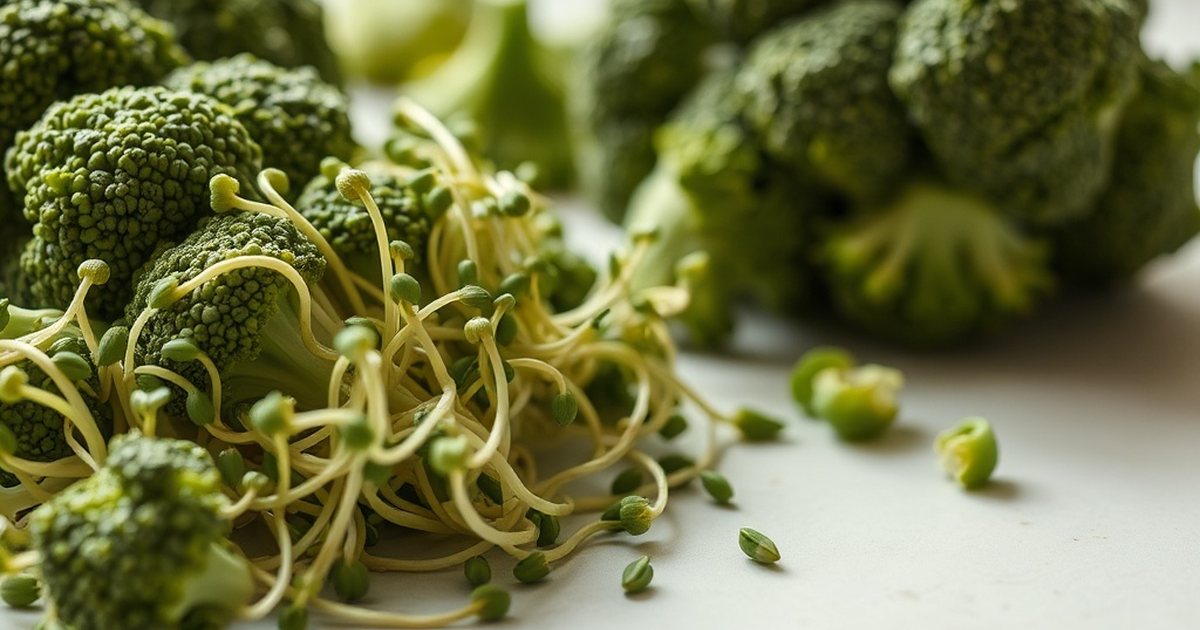
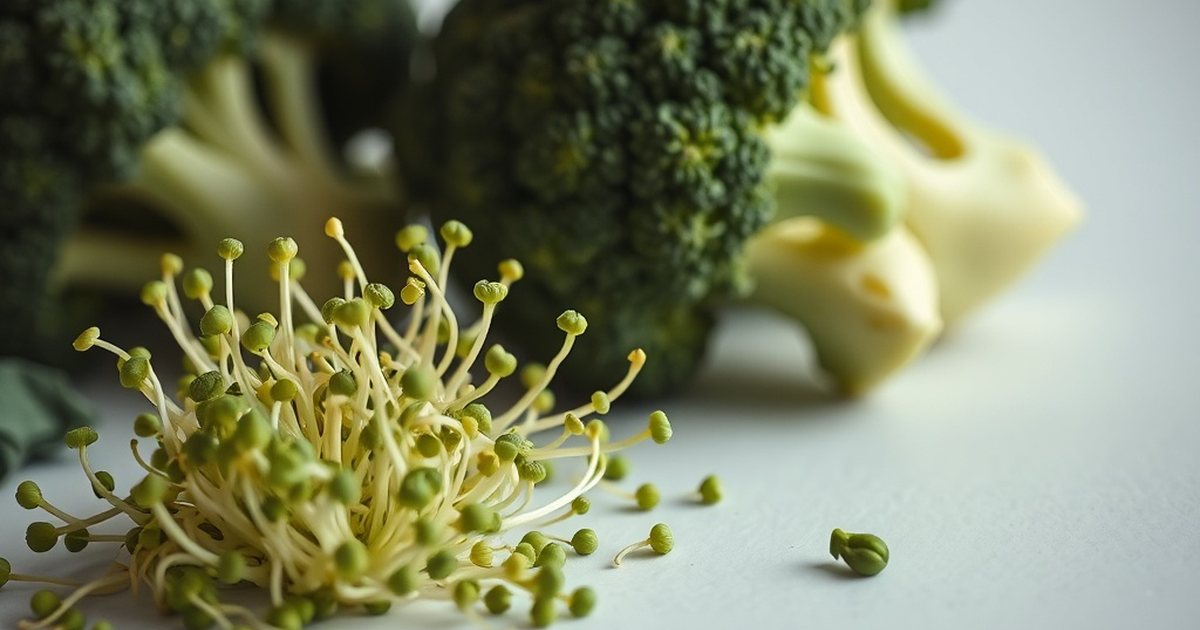
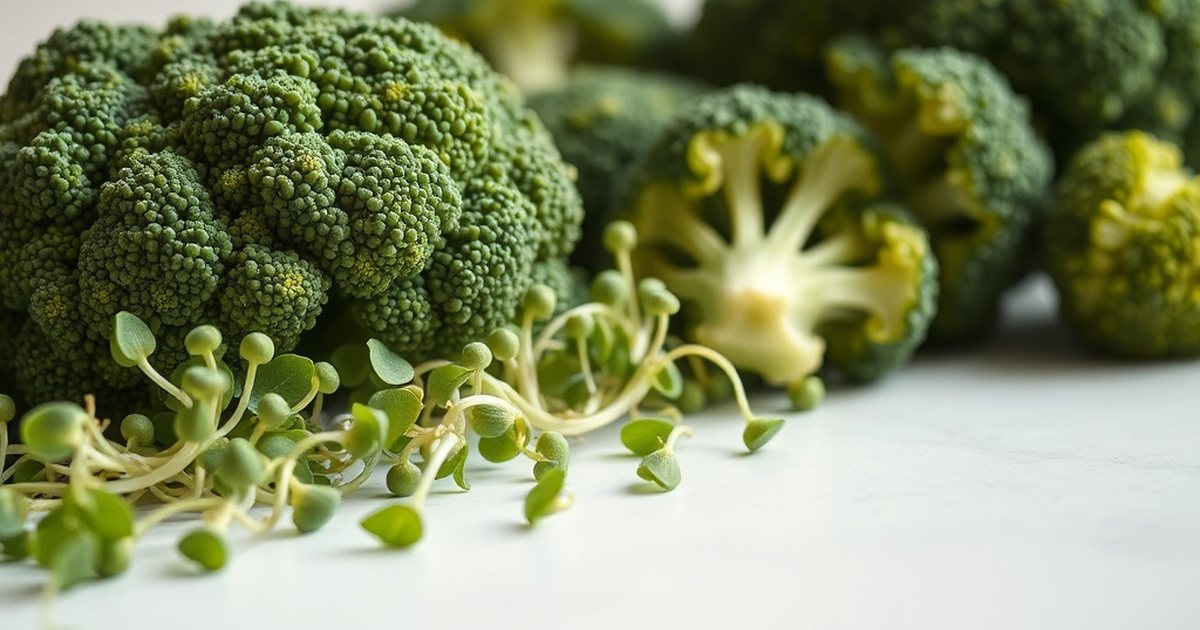
Sulforaphane has a different kind of bioavailability challenge, one tied to conversion rather than absorption. Sulforaphane itself absorbs reasonably well once formed, but it has to be formed first. That conversion depends on active myrosinase enzyme, which is destroyed by cooking and can be inconsistent in stored or processed supplements. This is why fresh broccoli sprouts, or supplements specifically formulated to preserve or supply active myrosinase (or stabilized sulforaphane itself), tend to be viewed as more reliable than glucoraphanin-only products that assume the gut’s own bacteria will handle conversion, a process that is far less efficient and highly variable between individuals.[2][3]
The practical upshot is that for both compounds, the raw ingredient name on a label tells you very little, formulation and delivery method matter enormously for whether either compound actually does anything once swallowed.
Where the Human Evidence Stands
Curcumin has a substantially larger and older body of human clinical research than sulforaphane, including numerous randomized trials, many focused on joint comfort, general inflammatory markers, and metabolic health. However, a well-known limitation of the curcumin literature is heterogeneity: trials use wildly different formulations, doses, and absorption-enhancing technologies, making it hard to generalize findings from one curcumin product to another. Some researchers have also flagged curcumin as a molecule prone to assay interference in lab studies, which has made some early promising in vitro results look better than they later proved in more rigorous human trials.

Sulforaphane’s human research base is smaller and newer, with much of the strongest mechanistic and Nrf2-activation evidence still coming from cell and animal models, alongside a growing but more limited set of human trials, many using broccoli sprout extract standardized for sulforaphane or glucoraphanin content.[4][5] Because sulforaphane research is a younger field, there’s less long-term human safety and efficacy data at defined doses compared to curcumin, though nothing in the current evidence base suggests it’s less promising, just less thoroughly mapped in humans.
For both compounds, it’s fair to say the mechanistic story is well established in preclinical research, and the human clinical picture, while encouraging in specific contexts, is still an active and evolving area rather than settled science.
Safety, Interactions, and Who Should Be Cautious
Both compounds are generally well tolerated in typical dietary and supplemental amounts, and neither is FDA-evaluated or approved as a drug. Sulforaphane and broccoli sprout extract can cause GI upset in some users, especially at higher doses, and because broccoli and its relatives are cruciferous vegetables, very high intake may have a mild goitrogenic effect that’s relevant for people with thyroid conditions. Sulforaphane may also interact with certain chemotherapy regimens, so anyone in active cancer treatment should talk to their oncologist before adding it.
Curcumin is also generally well tolerated but can cause GI upset at higher doses, and because it has mild blood-thinning properties, it warrants caution in people on anticoagulant or antiplatelet medications, as well as those with gallbladder issues, since curcumin stimulates bile production. High-dose curcumin has also been associated with rare cases of liver enzyme elevation, so anyone with existing liver conditions should be cautious and loop in their physician.
As with any supplement, quality and dose matter. Neither compound should be viewed as a replacement for medical treatment, and anyone on prescription medications, particularly chemotherapy or blood thinners, should check with their prescribing doctor before starting either.
Choosing Between Them, or Using Both
Because sulforaphane and curcumin work through different, complementary pathways, some people use both rather than choosing one over the other. There’s no strong evidence they compete or interfere with each other; the more relevant question for either is whether the specific product you’re taking is formulated to actually deliver the active compound, standardized sulforaphane or glucoraphanin content with reliable myrosinase activity for one, and a bioavailability-enhanced formulation (piperine, phospholipid complex, or similar) for the other.
If the priority is antioxidant and detoxification enzyme support, sulforaphane’s Nrf2 mechanism is the more directly relevant pathway. If the priority is inflammatory signaling more specifically, curcumin’s NF-kB and cytokine-modulating research base is more directly on-topic. For general wellness use, many people simply choose based on which food source they eat more of, or tolerate better, since both are ultimately food-derived compounds with a long history of dietary use well before either became a standalone supplement category.
🛒 Where to Buy Sulforaphane

- Nutramax Laboratories Avmacol Regular Strength
tablets, 2 tablets daily — Sulforaphane-producing supplement used in human clinical trials; uses a glucoraphanin + active myrosinase Sulforaphane Production System - Swanson Sulforaphane Broccoli Sprout Extract
capsules, 1 capsule (400 mcg) daily — Budget-friendly option standardized to 0.4% sulforaphane from BroccoPhane concentrate - Source Naturals Broccoli Sprouts Extract
tablets, 1 tablet daily — Delivers 2,000 mcg sulforaphane per serving from freshly germinated broccoli sprouts - Nova Nutritions Broccoli Sprout Extract 1000mg
capsules, 1 capsule daily — Broccoli sprout extract; entry-level price point
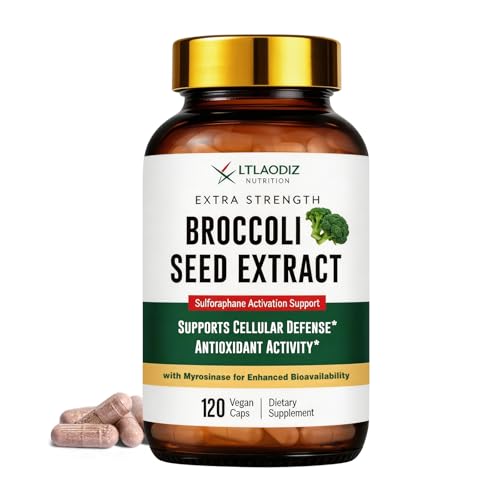
As an Amazon Associate we earn from qualifying purchases. Sulforaphane quality depends on conversion, not price. Prefer a product that supplies active myrosinase or pre-converted stabilized sulforaphane rather than glucoraphanin alone, and look for a batch-specific certificate of analysis stating actual glucoraphanin or sulforaphane content, since a label that headlines sulforaphane while the supplement facts list only broccoli sprout extract gives you no way to verify potency.
A Note on the Evidence
This article reflects general scientific consensus rather than a systematic review of current trial data, and much of the human evidence for both compounds, especially sulforaphane, is still limited. This is informational content only, not medical advice; talk to a doctor before starting either supplement, particularly if you take medication or have a thyroid, liver, or bleeding-related condition.
Frequently Asked Questions
Is sulforaphane or curcumin more effective for inflammation?
They aren’t directly comparable because they work through different mechanisms, sulforaphane mainly via antioxidant enzyme upregulation, curcumin via more direct inflammatory signaling modulation. Neither has been shown to be conclusively ‘more effective’ than the other in head-to-head human research, largely because that research doesn’t really exist yet.
Can I take sulforaphane and curcumin together?
There’s no strong evidence of a negative interaction between the two, and their differing mechanisms mean some people use both. As always, check with a doctor first if you’re on medications, since curcumin in particular has known interactions with blood thinners.
Why do curcumin supplements often include black pepper extract (piperine)?
Curcumin on its own is poorly absorbed and rapidly metabolized by the body. Piperine inhibits some of the metabolic pathways that break curcumin down, which meaningfully increases how much reaches the bloodstream compared to curcumin alone.

Does cooking broccoli destroy sulforaphane's benefits?
Cooking, especially prolonged cooking, deactivates the myrosinase enzyme needed to convert glucoraphanin into sulforaphane. Lightly steaming for a short time or eating raw broccoli sprouts preserves more myrosinase activity than boiling or heavy cooking.
Is either compound a proven treatment for a specific disease?
No. Both are studied for general health support and specific mechanistic pathways, but neither sulforaphane nor curcumin is an FDA-approved treatment for any disease. Claims of curing or treating conditions with either compound go beyond what current evidence supports.
Who should avoid sulforaphane or curcumin, or use extra caution?
People with thyroid conditions or those in active chemotherapy treatment should be cautious with sulforaphane and consult their oncologist. People on blood-thinning medication or with gallbladder issues should be cautious with curcumin. Anyone with existing health conditions or on prescription medication should check with their doctor before starting either.
References
- Shoba G et al. Influence of piperine on the pharmacokinetics of curcumin in animals and human volunteers. Planta Medica (1998). PMID 9619120
- Fahey JW et al. Protection of humans by plant glucosinolates: efficiency of conversion of glucosinolates to isothiocyanates by the gastrointestinal microflora. Cancer Prevention Research (2012). PMID 22318753
- Fahey JW et al. Sulforaphane bioavailability from glucoraphanin-rich broccoli: control by active endogenous myrosinase. PLoS One (2015). PMID 26524341
- Wise RA et al. Lack of effect of oral sulforaphane administration on Nrf2 expression in COPD: a randomized, double-blind, placebo controlled trial. PLoS One (2016). PMID 27832073
- Sudini K et al. A randomized controlled trial of the effect of broccoli sprouts on antioxidant gene expression and airway inflammation in asthmatics. The Journal of Allergy and Clinical Immunology: In Practice (2016). PMID 27130714
These statements have not been evaluated by the Food and Drug Administration. This information is not intended to diagnose, treat, cure, or prevent any disease. Content is for informational purposes only and is not medical advice; consult a qualified healthcare provider before starting any supplement. As an Amazon Associate we earn from qualifying purchases.
