Broccoli, broccoli sprouts, and sulforaphane supplements are often mentioned alongside a caution: cruciferous vegetables are “goitrogenic,” meaning they can interfere with thyroid function. This is technically true in certain contexts, but the nuance matters. Sulforaphane itself forms when glucoraphanin, a compound concentrated in broccoli and especially broccoli sprouts, is converted by the enzyme myrosinase, and it’s best known for activating the Nrf2 pathway, which turns on the body’s own antioxidant and detoxification enzymes.
The goitrogen question is really about whether eating cruciferous vegetables, or taking sulforaphane, poses a meaningful risk to thyroid function in real-world amounts. This article lays out the mechanism, what human and review evidence actually shows, and where the caution is legitimate versus overstated. This is informational content, not medical advice, and it isn’t a substitute for guidance from your own physician, especially if you have a diagnosed thyroid condition.
Key Takeaways
- Sulforaphane forms from glucoraphanin via the enzyme myrosinase and is best known for activating the Nrf2 antioxidant/detox pathway, a mechanism separate from thyroid hormone synthesis.
- Cruciferous vegetables do contain goitrogenic compounds, but current systematic review evidence does not support a broad claim that normal dietary intake harms thyroid function in most people.
- The goitrogen concern is strongest in the context of iodine deficiency and very high, concentrated intake, not typical servings of cooked vegetables.
- There is no direct human trial evidence in this review showing isolated sulforaphane supplements suppress thyroid hormones; a related Brassica-family extract has been studied for hyperthyroidism specifically, but doesn’t generalize to sulforaphane.
- People with diagnosed thyroid conditions, especially Hashimoto’s or iodine insufficiency, should discuss cruciferous vegetable and supplement intake with their own clinician rather than relying on general information.
What Does "Goitrogenic" Actually Mean?
Goitrogens are substances that can interfere with thyroid hormone production, either by blocking iodine uptake into the thyroid gland or by inhibiting the enzymes involved in making thyroid hormone. Cruciferous vegetables, including broccoli, kale, cabbage, and Brussels sprouts, contain glucosinolates, the same family of compounds that gives rise to sulforaphane. Some breakdown products of glucosinolates have been studied for their potential to affect thyroid hormone synthesis, particularly under conditions of concurrent iodine deficiency [1].
Importantly, “goitrogenic potential in a lab or animal model” is not the same as “causes thyroid problems in people eating normal amounts of food.” A comprehensive systematic review looking specifically at Brassica vegetables and thyroid function found that the evidence for a clinically meaningful effect in humans consuming typical dietary amounts is limited and inconsistent, and did not support a broad recommendation to avoid these vegetables [2].

The Mechanism: Glucoraphanin, Myrosinase, and Nrf2
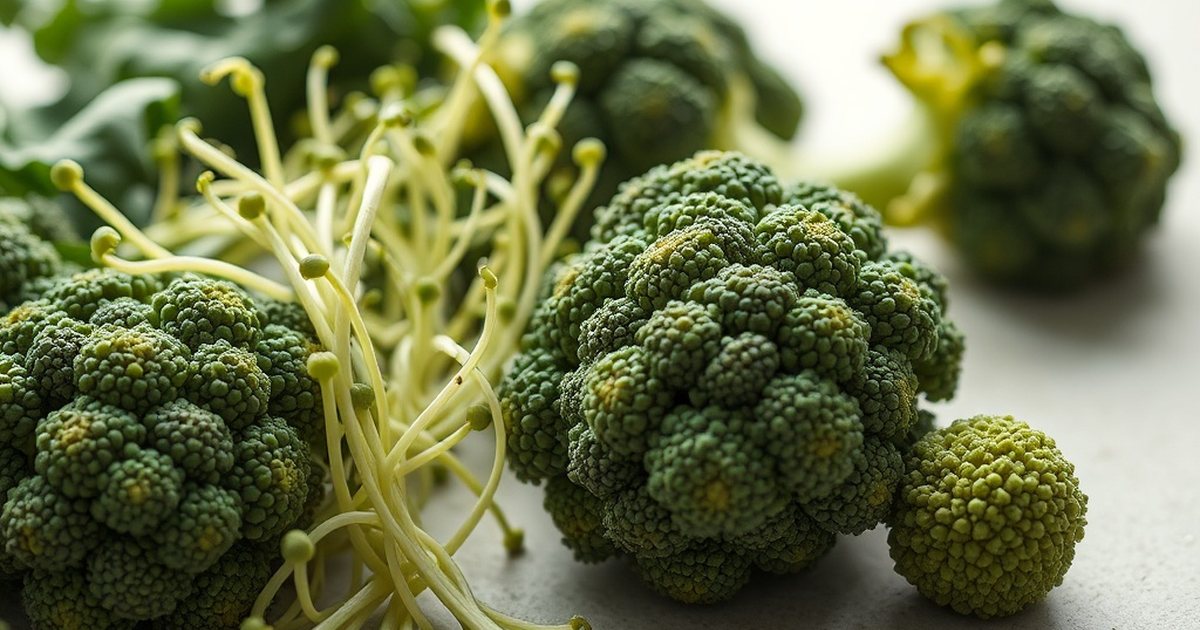
Sulforaphane is not present in intact broccoli tissue; it’s formed on demand. Chewing, chopping, or otherwise damaging the plant releases myrosinase, an enzyme that converts glucoraphanin (a glucosinolate) into sulforaphane. Broccoli sprouts contain substantially higher glucoraphanin concentrations than mature broccoli, which is why they’re a common source for concentrated sulforaphane research and supplements.
Once formed, sulforaphane is one of the most extensively studied natural activators of the Nrf2 (nuclear factor erythroid 2-related factor 2) pathway. Nrf2 activation upregulates a suite of phase II detoxification and antioxidant enzymes, which is the basis for most of sulforaphane’s studied biological effects. This Nrf2 mechanism is separate from, and not the same pathway as, the iodine-uptake and thyroid peroxidase mechanisms that goitrogen concerns are based on.
What Human Evidence Says About Cruciferous Vegetables and Thyroid Function
Reviews of micronutrient and dietary factors in thyroid dysfunction note that goitrogen exposure is one of several variables, alongside iodine status, that can influence thyroid function, and advise limiting excessive goitrogen intake [3].
In the context of thyroid cancer risk specifically, a review of dietary factors reported a positive association between goitrogenic foods such as cruciferous vegetables and thyroid cancer risk, although results across studies were inconsistent [4].

For people managing autoimmune thyroid conditions specifically, one review of dietary approaches in Hashimoto’s disease discusses cruciferous vegetables as goitrogen-containing foods that may interfere with iodine uptake, and reviews the evidence on how safe they are for thyroid function [5].
Where the Concern Is More Legitimate: Iodine Status and Very High Intake
The clearest thread across this evidence is that goitrogenic effects from Brassica-derived compounds are most relevant when iodine intake is already marginal or deficient. In that setting, added interference with iodine uptake can compound an existing problem [1]. In populations with adequate iodine intake, which describes most people using iodized salt or a varied diet, typical vegetable consumption has not been shown to meaningfully suppress thyroid function.
The other variable is dose and preparation. The animal and mechanistic literature on Brassica organosulfur compounds shows that very large, concentrated exposures, well beyond what a normal diet provides, produce more pronounced effects on thyroid-related enzymes than the modest amounts found in a few servings of cooked vegetables [6]. Cooking also matters: heat inactivates much of the myrosinase enzyme and reduces glucosinolate breakdown, which is one reason lightly cooked cruciferous vegetables are sometimes suggested as a lower-goitrogen-load option for people who are concerned, though this is a practical consideration rather than a rule established by dedicated clinical trials.
Sulforaphane Supplements and Concentrated Extracts: A Different Question
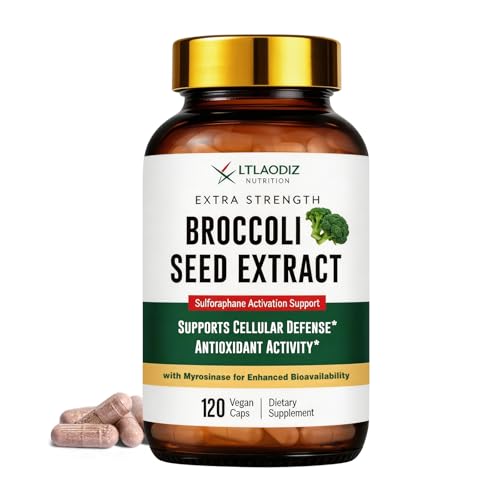
Most of the goitrogen literature is about whole cruciferous vegetables, not isolated sulforaphane or broccoli sprout extract taken as a supplement. There isn’t direct trial evidence in the supplied research showing that standardized sulforaphane supplementation suppresses thyroid hormone levels in humans. That absence of evidence is not the same as proof of safety at high doses, and it’s a reasonable gap to flag rather than gloss over.
By contrast, other cruciferous-family plant extracts have been studied directly for thyroid effects: a double-blind placebo-controlled pilot trial of Descurainia sophia seed extract, a different Brassica-family plant, examined its use specifically in people with hyperthyroidism and reported a therapeutic effect in that context [7]. That trial is a useful reminder that Brassica-derived compounds can have measurable, and even clinically studied, effects on thyroid hormone status, but it involved a different plant, a different population (hyperthyroid, not healthy or hypothyroid), and a specific extract, so it doesn’t generalize directly to sulforaphane or broccoli sprout supplements.
Practical Takeaway for People With Thyroid Conditions
For most people with normal thyroid function and adequate iodine intake, typical consumption of broccoli, broccoli sprouts, or sulforaphane-containing foods is unlikely to meaningfully affect thyroid hormone levels based on current review evidence [2]. For people with hypothyroidism, Hashimoto’s disease, or known iodine insufficiency, the more cautious approach discussed in the literature is to limit or exclude goitrogen-containing foods such as cruciferous vegetables, with attention to overall iodine status, ideally discussed with the clinician managing that condition [5] [3].
🛒 Where to Buy Sulforaphane
- Nutramax Laboratories Avmacol Regular Strength
tablets, 2 tablets daily — Sulforaphane-producing supplement used in human clinical trials; uses a glucoraphanin + active myrosinase Sulforaphane Production System - Swanson Sulforaphane Broccoli Sprout Extract
capsules, 1 capsule (400 mcg) daily — Budget-friendly option standardized to 0.4% sulforaphane from BroccoPhane concentrate - Source Naturals Broccoli Sprouts Extract
tablets, 1 tablet daily — Delivers 2,000 mcg sulforaphane per serving from freshly germinated broccoli sprouts - Nova Nutritions Broccoli Sprout Extract 1000mg
capsules, 1 capsule daily — Broccoli sprout extract; entry-level price point
As an Amazon Associate we earn from qualifying purchases. Sulforaphane quality depends on conversion, not price. Prefer a product that supplies active myrosinase or pre-converted stabilized sulforaphane rather than glucoraphanin alone, and look for a batch-specific certificate of analysis stating actual glucoraphanin or sulforaphane content, since a label that headlines sulforaphane while the supplement facts list only broccoli sprout extract gives you no way to verify potency.

A Note on the Evidence
This article summarizes a limited set of reviews and one small pilot trial on a different plant extract; there is no direct human trial evidence here on isolated sulforaphane and thyroid hormones, so genuine uncertainty remains. Anyone with a diagnosed thyroid condition, iodine deficiency, or who is in active cancer treatment should talk to their doctor before making significant dietary changes or starting a sulforaphane supplement, since sulforaphane may also interact with certain chemotherapy regimens. This is informational content, not medical advice.
Frequently Asked Questions
Does eating broccoli or broccoli sprouts damage my thyroid?
Not based on current evidence for people with adequate iodine intake and normal dietary consumption. A comprehensive systematic review of Brassica vegetables and thyroid function did not find consistent support for a clinically meaningful negative effect at typical intake levels [2].
Is sulforaphane itself the goitrogenic compound?
Sulforaphane is a breakdown product of glucoraphanin, formed via myrosinase, and its main studied effect is Nrf2 pathway activation, not thyroid hormone suppression. The goitrogen research generally focuses on cruciferous vegetables and related organosulfur compounds as a category, not sulforaphane specifically [6].
Should people with hypothyroidism or Hashimoto's avoid cruciferous vegetables?
One review of the diet in Hashimoto’s disease notes that cruciferous vegetables contain goitrogens that may interfere with iodine uptake, and examines how safe they are for thyroid function [5]. This should be discussed individually with your own doctor.

Does cooking reduce the goitrogenic effect?
Cooking inactivates much of the myrosinase enzyme, which reduces the conversion of glucosinolates into their more bioactive breakdown products. This is a commonly cited practical point, though it is drawn from the underlying mechanism rather than a dedicated clinical trial in this review [6].
Is there direct evidence that sulforaphane supplements affect thyroid hormone levels?
Not within the evidence reviewed here. No trial in this set directly tested isolated sulforaphane or broccoli sprout extract against thyroid hormone levels. A related Brassica-family plant extract (Descurainia sophia) was studied in a pilot trial for hyperthyroidism, but that is a different compound and population [7].
What role does iodine play in the goitrogen question?
Iodine status appears to be the key modifying factor: goitrogenic compounds are more likely to matter when iodine intake is already low, since both act on related steps in thyroid hormone production [1] [3].
References
- Eisenbrand G et al. Assessing the potential impact on the thyroid axis of environmentally relevant food constituents/contaminants in humans. Archives of toxicology (2016). PMID 27169853
- Galanty A et al. Do Brassica Vegetables Affect Thyroid Function?-A Comprehensive Systematic Review. International journal of molecular sciences (2024). PMID 38612798
- Babiker A et al. The role of micronutrients in thyroid dysfunction. Sudanese journal of paediatrics (2020). PMID 32528196
- Choi WJ et al. Dietary factors and the risk of thyroid cancer: a review. Clinical nutrition research (2014). PMID 25136535
- Dobiecka D et al. [Cruciferous vegetables In Hashimoto’s disease diet]. Postepy biochemii (2024). PMID 39365573
- Stoewsand GS et al. Bioactive organosulfur phytochemicals in Brassica oleracea vegetables–a review. Food and chemical toxicology : an international journal published for the British Industrial Biological Research Association (1995). PMID 7797181
- Farzameh F et al. Evaluation of the therapeutic effect of Descurainia sophia (L.) Webb ex Prantl seed extract on hyperthyroidism: A double-blind placebo-controlled pilot clinical trial. Food science & nutrition (2023). PMID 37823162
These statements have not been evaluated by the Food and Drug Administration. This information is not intended to diagnose, treat, cure, or prevent any disease. Content is for informational purposes only and is not medical advice; consult a qualified healthcare provider before starting any supplement. As an Amazon Associate we earn from qualifying purchases.
