Sulforaphane is an isothiocyanate compound formed when glucoraphanin, a compound naturally present in broccoli and broccoli sprouts, is converted by the enzyme myrosinase. It has drawn scientific interest as one of the most extensively studied natural activators of the Nrf2 pathway, a cellular signaling system that upregulates the body’s own antioxidant and phase II detoxification enzymes. Because oxidative stress and vascular dysfunction are implicated in cardiovascular disease, researchers have asked whether sulforaphane’s antioxidant-boosting mechanism might translate into measurable cardiovascular benefit.
The honest answer is that the evidence base is still developing. Much of what is known comes from cell and animal studies exploring specific disease contexts, such as diabetes-related vascular damage, with human clinical trial data remaining comparatively limited and often focused on sulforaphane as one part of a broader supplement strategy. This article lays out the proposed mechanism, what has actually been studied, and where the evidence stops.
Key Takeaways
- Sulforaphane is formed from glucoraphanin via the enzyme myrosinase and is one of the most studied natural activators of the Nrf2 antioxidant pathway.
- Research has found a protective effect against vascular complications specifically in diabetes models [1].
- A systematic review of clinical trials has explored dietary supplementation, including sulforaphane-related compounds, for mitigating cardiopulmonary effects of air pollution [2].
- There is no large-scale trial evidence in this review linking sulforaphane to reduced heart attack, stroke, or general cardiovascular event risk in the broader population.
- This is informational content, not medical advice; talk to a doctor before use if you have diabetes, thyroid issues, cardiovascular disease, or are undergoing cancer treatment.
How Sulforaphane Is Thought to Affect Vascular Health
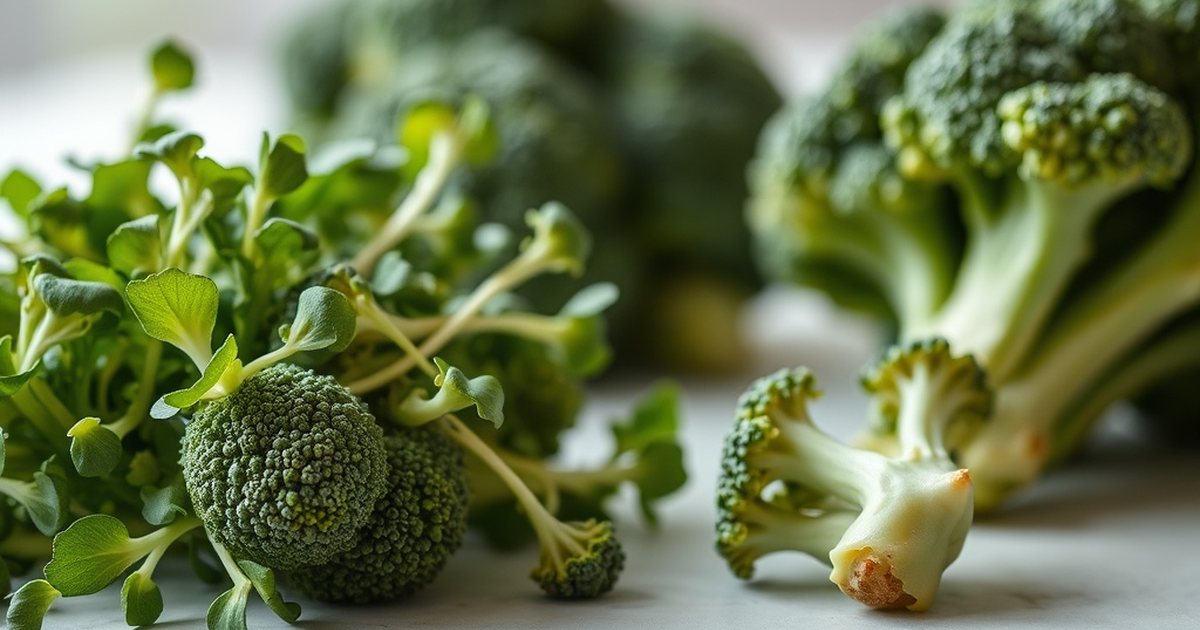
The proposed mechanism starts with conversion: glucoraphanin, a glucosinolate found in cruciferous vegetables, is transformed into active sulforaphane by the enzyme myrosinase, which is released when plant cells are damaged (as in chewing or chopping broccoli sprouts). Once absorbed, sulforaphane is understood to activate the Nrf2 pathway, a transcription factor system that switches on a suite of the body’s own antioxidant and phase II detoxification enzymes.
In the context of blood vessels, oxidative stress and chronic low-grade inflammation are thought to contribute to endothelial dysfunction, the impaired ability of blood vessel linings to regulate tone and blood flow, which is considered an early step in the development of vascular complications. The theoretical link between sulforaphane and cardiovascular health rests on the idea that Nrf2 activation could counteract some of that oxidative burden. It is important to be clear that this is a mechanistic rationale, not proof of a clinical outcome, and it needs to be tested directly in the specific populations and conditions where it matters.

Evidence in Diabetes-Related Vascular Complications
One of the more direct lines of evidence comes from research on diabetes, a condition strongly associated with vascular damage. A study examined the protective role of sulforaphane against vascular complications in diabetes, finding support for the idea that sulforaphane may help mitigate some of the vascular stress associated with diabetic conditions [1]. This is a meaningful data point because diabetic vascular complications are a well-established pathway to broader cardiovascular disease, including damage to small and large blood vessels.
That said, this line of research needs to be read carefully. Diabetes-related vascular injury is a specific model, and findings in that context do not automatically generalize to cardiovascular health in people without diabetes, or to hard clinical endpoints like heart attack or stroke risk. It is one piece of evidence pointing toward a plausible protective role, not a demonstration that sulforaphane prevents cardiovascular disease broadly.
Sulforaphane, Air Pollution, and Cardiopulmonary Stress
A separate area of research has looked at whether dietary supplementation, including compounds like sulforaphane, can help mitigate the cardiopulmonary effects of air pollution exposure. A systematic review of clinical trials examined dietary supplementation strategies aimed at reducing the cardiopulmonary toxicity associated with air pollution [2]. This line of inquiry is relevant to cardiovascular health because air pollution exposure is an established environmental risk factor for cardiovascular disease, partly through oxidative stress and inflammatory pathways, the same general biological territory where Nrf2 activation is theorized to act.
This systematic review reflects the current state of the field: multiple dietary compounds have been trialed in this space, and the picture is still being assembled rather than settled. It supports sulforaphane as a candidate worth continued clinical investigation for pollution-related cardiopulmonary stress, but it does not establish sulforaphane as a proven intervention for general cardiovascular risk reduction.
What Hasn't Been Directly Established
It is worth being explicit about the gap between mechanism and outcome. There is no large-scale human trial in the evidence reviewed here showing that sulforaphane supplementation reduces heart attacks, strokes, blood pressure, or cholesterol levels in the general population. The Nrf2 antioxidant mechanism is well characterized at the cellular level, and the diabetes and air pollution research offers early, context-specific signals, but a direct, well-powered clinical trial connecting sulforaphane intake to standard cardiovascular endpoints (like major adverse cardiac events) in healthy or at-risk adults broadly is not part of the evidence summarized above.

This distinction matters. A compound can have a scientifically credible mechanism and still lack proof that it changes real-world health outcomes. Readers should treat sulforaphane’s cardiovascular potential as biologically plausible and actively studied, rather than clinically confirmed.
Practical Considerations
Sulforaphane and broccoli sprout extract are not evaluated by the FDA as drugs, and dietary sources like broccoli sprouts are generally well tolerated by most people. Some individuals report gastrointestinal upset with higher-dose supplementation. Because cruciferous vegetables contain compounds that can have a mild goitrogenic effect at very high intake, people with thyroid conditions may want to be mindful of consumption levels and discuss this with their doctor. Sulforaphane may also interact with certain chemotherapy regimens, so anyone in active cancer treatment should consult their oncologist before adding sulforaphane or broccoli sprout extract to their routine.
For anyone considering sulforaphane specifically for cardiovascular reasons, especially those managing diabetes, existing cardiovascular disease, or pollution-heavy environments, a conversation with a physician is a reasonable starting point given how early-stage the direct clinical evidence still is.
🛒 Where to Buy Sulforaphane
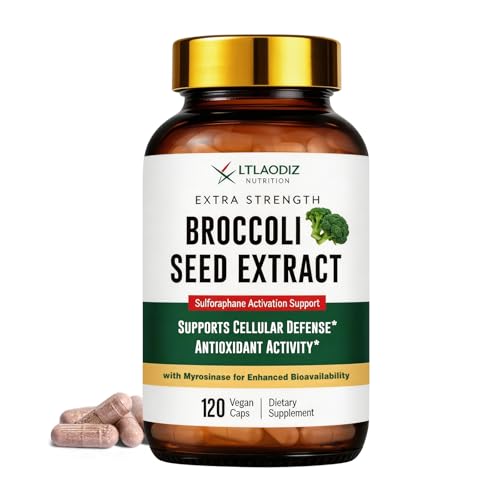
- Nutramax Laboratories Avmacol Regular Strength
tablets, 2 tablets daily — Sulforaphane-producing supplement used in human clinical trials; uses a glucoraphanin + active myrosinase Sulforaphane Production System - Swanson Sulforaphane Broccoli Sprout Extract
capsules, 1 capsule (400 mcg) daily — Budget-friendly option standardized to 0.4% sulforaphane from BroccoPhane concentrate - Source Naturals Broccoli Sprouts Extract
tablets, 1 tablet daily — Delivers 2,000 mcg sulforaphane per serving from freshly germinated broccoli sprouts - Nova Nutritions Broccoli Sprout Extract 1000mg
capsules, 1 capsule daily — Broccoli sprout extract; entry-level price point
As an Amazon Associate we earn from qualifying purchases. Sulforaphane quality depends on conversion, not price. Prefer a product that supplies active myrosinase or pre-converted stabilized sulforaphane rather than glucoraphanin alone, and look for a batch-specific certificate of analysis stating actual glucoraphanin or sulforaphane content, since a label that headlines sulforaphane while the supplement facts list only broccoli sprout extract gives you no way to verify potency.
A Note on the Evidence
The evidence connecting sulforaphane to cardiovascular health is still early and largely limited to specific contexts like diabetes-related vascular damage and pollution exposure; it should not be treated as a proven treatment or prevention strategy. This is informational content, not medical advice, consult a doctor before use, especially if you have diabetes, thyroid disease, cardiovascular disease, or are in active cancer treatment.
Frequently Asked Questions
Does sulforaphane lower blood pressure or cholesterol?
The evidence reviewed here does not include a trial directly measuring sulforaphane’s effect on blood pressure or cholesterol. Its proposed cardiovascular relevance comes from Nrf2-driven antioxidant activity rather than a demonstrated effect on these specific markers.
Is sulforaphane proven to prevent heart disease?
No. There is early, context-specific evidence, such as protection against vascular complications in diabetes [1], but no large trial establishing that sulforaphane prevents heart disease broadly.
How does sulforaphane relate to air pollution and heart health?
A systematic review of clinical trials looked at whether dietary supplementation could help offset the cardiopulmonary effects of air pollution exposure, which is a known contributor to cardiovascular strain [2]. This is an active but still-developing area of research.

Is sulforaphane safe to take with heart medication?
Sulforaphane and broccoli sprout extract are generally well tolerated, but anyone on cardiovascular medication or with an existing heart condition should talk to their doctor before starting a supplement, since this content does not evaluate specific drug interactions with heart medications.
Who should be cautious with sulforaphane or broccoli sprouts?
People in active cancer treatment should consult their oncologist first, since sulforaphane may interact with certain chemotherapy regimens. People with thyroid conditions should also be mindful, since very high cruciferous vegetable intake may have a mild goitrogenic effect.
Is food-based sulforaphane (broccoli sprouts) different from supplements?
The underlying compound is the same, but supplement doses can be far higher and more concentrated than what’s typically eaten as food, which is part of why the safety notes above emphasize caution at higher intakes.
References
- Yamagishi S et al. Protective role of sulphoraphane against vascular complications in diabetes. Pharmaceutical biology (2016). PMID 26841240
- Ilaghi M et al. Dietary supplementations to mitigate the cardiopulmonary effects of air pollution toxicity: A systematic review of clinical trials. PloS one (2024). PMID 38870164
These statements have not been evaluated by the Food and Drug Administration. This information is not intended to diagnose, treat, cure, or prevent any disease. Content is for informational purposes only and is not medical advice; consult a qualified healthcare provider before starting any supplement. As an Amazon Associate we earn from qualifying purchases.
