Sulforaphane is an isothiocyanate compound formed when glucoraphanin, a compound naturally present in broccoli and broccoli sprouts, is converted by the enzyme myrosinase. Because this conversion happens most efficiently when the plant tissue is chewed, chopped, or crushed, interest in sulforaphane has grown alongside interest in how diet-derived compounds might support the brain’s own defense systems.
Much of that interest centers on sulforaphane’s ability to activate the Nrf2 pathway, a cellular signaling route that upregulates the body’s own antioxidant and phase II detoxification enzymes. This article walks through what that mechanism means, what has actually been studied in relation to cognition and neuroprotection, and where the evidence is still early or limited to specific populations. It is informational only and not a substitute for medical advice.
Key Takeaways
- Sulforaphane activates the Nrf2 pathway, which upregulates the body’s own antioxidant and phase II detoxification enzymes rather than acting as a direct antioxidant.
- Mechanistic and preclinical research links Nrf2 activation to oxidative stress, mitochondrial function, and microglial redox balance in neurodegeneration [1] [2].
- The hormesis framework helps explain how a mild cellular stressor compound like sulforaphane could plausibly be neuroprotective [3].
- The most specific human-relevant clinical interest to date has focused on populations such as autism spectrum disorder, not general cognitive enhancement [4].
- Broader clinical trial and observational data exist but the overall human evidence base for cognitive benefit in the general population is still developing [5] [6].
The Proposed Mechanism: Nrf2, Oxidative Stress, and the Brain
The brain is metabolically demanding and particularly vulnerable to oxidative stress, an imbalance between reactive oxygen species and the antioxidant defenses meant to neutralize them. Sulforaphane is one of the most extensively studied natural activators of the Nrf2 pathway, which in turn upregulates the body’s own antioxidant and phase II detoxification enzymes rather than acting as a direct antioxidant itself.
Recent work synthesizing redox biology in neurodegeneration research has framed oxidative stress and mitochondrial dysfunction as central, interconnected drivers of neurodegenerative processes, and has discussed targeting these pathways therapeutically using tools ranging from AI-assisted analysis to mitochondrial-directed compounds [1]. Within that broader landscape, Nrf2 activators like sulforaphane are of interest precisely because they work upstream, prompting cells to boost their own protective machinery rather than supplying an external antioxidant.

Microglia, Neuroinflammation, and Redox Balance
Microglia are the brain’s resident immune cells, and their activation state is closely tied to neuroinflammation and redox imbalance in neurodegenerative conditions. A review of natural products targeting microglia-specific pathways discussed how compounds capable of modulating redox status in these cells may influence neuroinflammatory processes relevant to neurodegeneration [2].
This is mechanistic and preclinical territory rather than a demonstrated clinical outcome in humans. The interest is in the biological plausibility of a compound that can shift microglial redox handling, not in a proven ability to reduce neuroinflammation-driven cognitive decline in people.
Hormesis and Cellular Stress Response
Sulforaphane’s effect on Nrf2 is often discussed in the context of hormesis, the concept that a mild cellular stressor can trigger an adaptive protective response that leaves the cell more resilient afterward. Research examining hormesis and redox homeostasis in the context of autism spectrum disorders has explored this framework as a way to understand how cellular stress-response pathways, including Nrf2 signaling, might relate to neurodevelopmental conditions [3].
This hormetic model is a useful way to understand why a compound that technically induces mild cellular stress could plausibly be neuroprotective rather than harmful, but it is a mechanistic framework, not direct evidence that sulforaphane improves brain function in the general population.

Sulforaphane, Phytochemicals, and Autism Spectrum Disorder Research
Some of the more specific human-relevant research on sulforaphane and brain-related outcomes has focused on autism spectrum disorder (ASD). A review of dietary phytochemicals as potential neurotherapeutics for ASD discussed plausible mechanisms, including Nrf2-related antioxidant pathways, and summarized evidence for compounds like sulforaphane in this population [4].
It’s important to be precise about what this body of work represents: it is focused on a specific clinical population (ASD) and is described in the source literature as exploring plausible mechanisms and evidence, not as establishing sulforaphane as a treatment. Findings in ASD research should not be generalized to claims about cognitive enhancement in healthy adults or other populations.
Mental Health and Neurological Outcomes: Observational and Intervention Data
Beyond mechanistic and disease-specific research, broader work has looked at natural sulfur compounds, a category that includes sulforaphane, in relation to mental health and neurological disorders. A review of observational and intervention studies discussed insights connecting these compounds to mental health and neurological outcomes [6].
A separate comprehensive analysis of sulforaphane clinical trials and mechanistic insights has examined sulforaphane as a potential therapeutic agent across a range of applications, synthesizing what clinical trial data exists alongside proposed biological mechanisms [5]. Taken together, this literature paints sulforaphane as a compound with a coherent, well-studied mechanism and a growing but still developing clinical evidence base, rather than one with large, definitive human trials establishing cognitive benefit in the general population.
What This Means in Practice
The mechanistic case for sulforaphane and brain health is genuinely interesting: a well-characterized Nrf2 activation pathway, plausible relevance to oxidative stress and microglial function in neurodegeneration [1] [2], and a hormesis framework that helps explain how a mild stressor compound could be protective [3]. Specific clinical interest has concentrated on populations like ASD [4], alongside broader observational and trial-based work spanning mental health and neurological outcomes [6] [5].
What isn’t established yet is a large body of randomized controlled trials in healthy adults showing that sulforaphane supplementation reliably improves memory, focus, or general cognitive performance. Anyone considering sulforaphane or broccoli sprout extract for brain health should treat it as a compound with a promising research trajectory rather than a proven cognitive intervention.
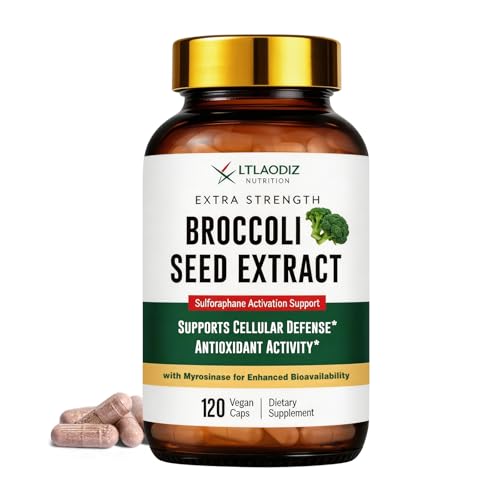
🛒 Where to Buy Sulforaphane
- Nutramax Laboratories Avmacol Regular Strength
tablets, 2 tablets daily — Sulforaphane-producing supplement used in human clinical trials; uses a glucoraphanin + active myrosinase Sulforaphane Production System - Swanson Sulforaphane Broccoli Sprout Extract
capsules, 1 capsule (400 mcg) daily — Budget-friendly option standardized to 0.4% sulforaphane from BroccoPhane concentrate - Source Naturals Broccoli Sprouts Extract
tablets, 1 tablet daily — Delivers 2,000 mcg sulforaphane per serving from freshly germinated broccoli sprouts - Nova Nutritions Broccoli Sprout Extract 1000mg
capsules, 1 capsule daily — Broccoli sprout extract; entry-level price point
As an Amazon Associate we earn from qualifying purchases. Sulforaphane quality depends on conversion, not price. Prefer a product that supplies active myrosinase or pre-converted stabilized sulforaphane rather than glucoraphanin alone, and look for a batch-specific certificate of analysis stating actual glucoraphanin or sulforaphane content, since a label that headlines sulforaphane while the supplement facts list only broccoli sprout extract gives you no way to verify potency.

A Note on the Evidence
Sulforaphane and broccoli sprout extract are not FDA-evaluated as drugs, and the human evidence for cognitive and neuroprotective benefits is still developing, with much of the current data being mechanistic, preclinical, or focused on specific clinical populations rather than the general public. This article is informational only, not medical advice; talk to a doctor before starting supplementation, especially if you have a thyroid condition or are undergoing cancer treatment.
Frequently Asked Questions
Does sulforaphane improve memory or focus in healthy adults?
There isn’t a strong body of randomized controlled trial evidence in healthy adults specifically showing improved memory or focus from sulforaphane. Most of the relevant human research has focused on specific populations, such as autism spectrum disorder, or on broader mental health and neurological outcomes [4] [6].
How does sulforaphane actually work in the brain?
Sulforaphane activates the Nrf2 pathway, which triggers cells to produce more of their own antioxidant and phase II detoxification enzymes, a mechanism relevant to managing oxidative stress implicated in neurodegenerative processes [1].
Is sulforaphane a treatment for Alzheimer's, Parkinson's, or other neurodegenerative diseases?
No. Research on Nrf2 activation, oxidative stress, and microglial redox balance is mechanistic and largely preclinical in this context [1] [2]. Sulforaphane is not an FDA-evaluated drug and should not be treated as a treatment for any neurodegenerative disease.

What is hormesis and why does it come up with sulforaphane?
Hormesis is the concept that a mild cellular stressor can trigger an adaptive, protective response. It’s used as a framework to explain how sulforaphane’s activation of the Nrf2 stress-response pathway could plausibly be beneficial rather than harmful [3].
Has sulforaphane been studied specifically in autism spectrum disorder?
Yes, this is one of the more specific clinical contexts where sulforaphane and related phytochemicals have been studied, with research exploring plausible neurological mechanisms including Nrf2-related pathways [4]. This is a distinct research population and its findings should not be generalized to other groups.
Are there any safety concerns with sulforaphane and brain health supplements?
Sulforaphane and broccoli sprout extract are generally well tolerated, though some people report GI upset at higher doses. Very high cruciferous vegetable intake may have a mild goitrogenic effect relevant to thyroid conditions, and sulforaphane may interact with certain chemotherapy regimens, so anyone in active cancer treatment should consult their oncologist before use.
References
- Șerban M et al. The Redox Revolution in Brain Medicine: Targeting Oxidative Stress with AI, Multi-Omics and Mitochondrial Therapies for the Precision Eradication of Neurodegeneration. International journal of molecular sciences (2025). PMID 40806624
- Maurya SK et al. Microglia Specific Drug Targeting Using Natural Products for the Regulation of Redox Imbalance in Neurodegeneration. Frontiers in pharmacology (2021). PMID 33927630
- Calabrese V et al. Hormesis, cellular stress response, and redox homeostasis in autism spectrum disorders. Journal of neuroscience research (2016). PMID 27642708
- Bhandari R et al. Dietary Phytochemicals as Neurotherapeutics for Autism Spectrum Disorder: Plausible Mechanism and Evidence. Advances in neurobiology (2020). PMID 32006377
- Saito A et al. Sulforaphane as a potential therapeutic agent: a comprehensive analysis of clinical trials and mechanistic insights. Journal of nutritional science (2025). PMID 40988712
- Rana A et al. Natural sulfur compounds in mental health and neurological disorders: insights from observational and intervention studies. Frontiers in nutrition (2025). PMID 40271431
These statements have not been evaluated by the Food and Drug Administration. This information is not intended to diagnose, treat, cure, or prevent any disease. Content is for informational purposes only and is not medical advice; consult a qualified healthcare provider before starting any supplement. As an Amazon Associate we earn from qualifying purchases.
