Sulforaphane is an isothiocyanate derived from broccoli sprouts that activates the Nrf2 pathway and upregulates phase II detoxification enzymes. While celebrated for its antioxidant and anticarcinogenic properties, its influence on drug-metabolizing enzymes raises questions about possible interactions with prescription and over-the-counter medicines.
Preclinical data suggest sulforaphane can modulate cytochrome P450 and conjugation pathways, yet clinical evidence remains limited. Understanding these interactions helps patients and clinicians make informed decisions about combining sulforaphane supplements with therapeutic drugs.
Key Takeaways
- Sulforaphane can influence both phase I and phase II drug‑metabolizing enzymes via Nrf2 activation and direct modulation of CYPs.
- Preclinical evidence suggests potential alterations in drug clearance, but robust human data are lacking.
- Genetic differences in drug‑metabolizing enzymes may affect individual susceptibility to sulforaphane‑mediated interactions.
- Patients using medications—especially those with narrow therapeutic windows—should consult a clinician before adding sulforaphane supplements.
- Further clinical studies are needed to define the safety and interaction profile of sulforaphane with common medicines.
Mechanisms of Sulforaphane Action on Drug-Metabolizing Enzymes
Sulforaphane activates Nrf2, leading to increased expression of enzymes such as glutathione S-transferase (GST) and NAD(P)H quinone dehydrogenase 1 (NQO1). These phase II enzymes can conjugate and eliminate various xenobiotics, potentially altering the clearance of co‑administered drugs.
In addition, sulforaphane has been shown to inhibit or induce certain cytochrome P450 (CYP) isoforms depending on concentration and tissue type. This dual capacity to affect both phase I and phase II metabolism is discussed in the context of drug disposition and metabolism [[1]].
Because Nrf2 activation also influences cellular glutathione levels, sulforaphane may indirectly affect the metabolism of drugs that rely on glutathione‑dependent pathways, such as acetaminophen.
Evidence from Clinical and Preclinical Studies
The majority of data on sulforaphane’s impact on drug metabolism come from in vitro and animal studies. These investigations have reported altered pharmacokinetics of probe substrates when sulforaphane is present, indicating possible enzyme modulation [[1]].
Human pharmacokinetic trials are sparse; only a few small studies have examined sulforaphane’s effect on specific drug levels, and results have been inconsistent. Consequently, definitive conclusions about clinically relevant interactions cannot yet be drawn.
The limited clinical evidence underscores the need for well‑controlled trials that measure drug exposure with and without sulforaphane supplementation in diverse populations.

Potential Interactions with Common Medication Classes
Drugs metabolized by CYP1A2 (e.g., theophylline, certain antidepressants) and CYP2E1 (e.g., ethanol, acetaminophen at high doses) may be susceptible to changes in enzyme activity induced by sulforaphane.
Because sulforaphane can enhance glutathione conjugation, drugs that rely on this pathway for detoxification—such as some chemotherapeutic agents and certain analgesics—might experience altered clearance.
Medications with a narrow therapeutic index (e.g., warfarin, certain antiepileptics) warrant particular caution, as even modest changes in metabolism could affect efficacy or safety.
Theoretical Considerations Based on Pharmacogenomics
Individual variability in drug‑metabolizing enzymes is well documented, with genetic polymorphisms influencing CYP and phase II enzyme activity [[2]].
Such genetic differences could amplify or dampen the effect of sulforaphane on enzyme function, meaning that some individuals might experience noticeable changes in drug levels while others see little impact.
Incorporating pharmacogenomic information may help predict who is more likely to encounter a clinically relevant interaction when using sulforaphane supplements alongside medication.
Practical Guidance for Patients and Clinicians
Patients should discuss any sulforaphane or broccoli sprout supplement use with their healthcare provider, especially if they are taking prescription medications, chemotherapy, or drugs with narrow therapeutic windows.

If concurrent use is considered, separating the timing of sulforaphane intake from medication dosing by several hours may reduce the likelihood of acute enzyme modulation, though this approach remains theoretical.
Monitoring for unexpected changes in drug efficacy or adverse effects is advisable, and dose adjustments should be made only under professional supervision.
Limitations of Current Evidence and Future Research Directions
Most available data derive from preclinical models, and human studies are limited in size and scope [[1]]. This restricts the ability to quantify the magnitude of any interaction in real‑world settings.
Future research should focus on well‑designed pharmacokinetic trials that assess sulforaphane’s effect on a range of drugs, stratify participants by relevant genetic variants, and evaluate clinically meaningful outcomes.
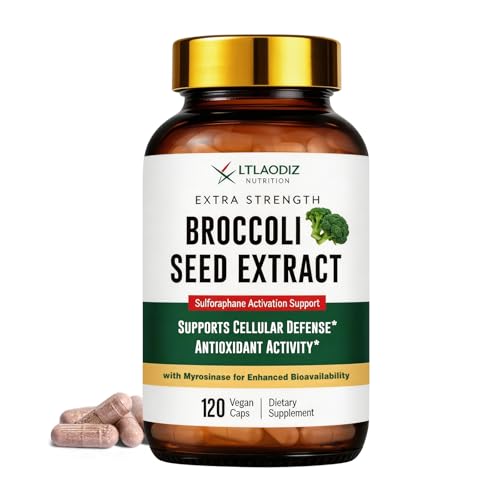
🛒 Where to Buy Sulforaphane
- Nutramax Laboratories Avmacol Regular Strength
tablets, 2 tablets daily — Sulforaphane-producing supplement used in human clinical trials; uses a glucoraphanin + active myrosinase Sulforaphane Production System - Swanson Sulforaphane Broccoli Sprout Extract
capsules, 1 capsule (400 mcg) daily — Budget-friendly option standardized to 0.4% sulforaphane from BroccoPhane concentrate - Source Naturals Broccoli Sprouts Extract
tablets, 1 tablet daily — Delivers 2,000 mcg sulforaphane per serving from freshly germinated broccoli sprouts - Nova Nutritions Broccoli Sprout Extract 1000mg
capsules, 1 capsule daily — Broccoli sprout extract; entry-level price point
As an Amazon Associate we earn from qualifying purchases. Sulforaphane quality depends on conversion, not price. Prefer a product that supplies active myrosinase or pre-converted stabilized sulforaphane rather than glucoraphanin alone, and look for a batch-specific certificate of analysis stating actual glucoraphanin or sulforaphane content, since a label that headlines sulforaphane while the supplement facts list only broccoli sprout extract gives you no way to verify potency.
A Note on the Evidence
The information presented is based on limited preclinical data and should not be construed as medical advice. Individuals with health conditions or those taking prescription medications should seek guidance from a qualified healthcare professional before using sulforaphane products.
Frequently Asked Questions
Can sulforaphane change how my medication works?
Sulforaphane may affect enzymes that metabolize certain drugs, potentially increasing or decreasing their blood levels. The clinical significance of this effect is not yet well established, so monitoring and professional advice are recommended.
Are there specific drug classes that are more likely to interact with sulforaphane?
Drugs processed by CYP1A2, CYP2E1, CYP3A4, or glutathione‑dependent pathways (e.g., some analgesics, antidepressants, and chemotherapy agents) could be theoretically affected. However, concrete evidence of clinically relevant interactions is currently lacking.
Should I stop taking my medication if I start a sulforaphane supplement?
No. Do not discontinue any prescribed medication without consulting your healthcare provider. Discuss supplement use with your clinician to evaluate any potential need for dose adjustment or monitoring.
Does my genetic makeup influence whether sulforaphane will interact with my drugs?
Yes. Variations in genes encoding drug‑metabolizing enzymes can affect how strongly sulforaphane influences enzyme activity, meaning some people may experience more pronounced changes in drug levels than others [[2]].
Is there any evidence that sulforaphane interferes with chemotherapy?
Preclinical studies suggest sulforaphane can modulate enzymes involved in chemotherapeutic drug metabolism, but data in humans are insufficient to draw firm conclusions. Patients undergoing active cancer treatment should consult their oncologist before using sulforaphane supplements [[1]].
What should I look for if I suspect an interaction?
Watch for unexpected changes in medication effectiveness (e.g., reduced pain relief or altered blood thinning) or new side effects. If you notice anything unusual, contact your healthcare provider promptly.
References
- Fimognari C et al. Interaction of the isothiocyanate sulforaphane with drug disposition and metabolism: pharmacological and toxicological implications. Current drug metabolism (2008). PMID 18781917
- Rushmore TH et al. Pharmacogenomics, regulation and signaling pathways of phase I and II drug metabolizing enzymes. Current drug metabolism (2002). PMID 12369894
These statements have not been evaluated by the Food and Drug Administration. This information is not intended to diagnose, treat, cure, or prevent any disease. Content is for informational purposes only and is not medical advice; consult a qualified healthcare provider before starting any supplement. As an Amazon Associate we earn from qualifying purchases.
