Sulforaphane is an isothiocyanate compound that forms when the precursor glucoraphanin reacts with the enzyme myrosinase, a process triggered by cutting, chewing, or other physical disruption of broccoli tissue. Interest in sulforaphane stems from its role in activating cellular defense pathways, though it is not approved as a drug and should be viewed as a dietary component.
Broccoli sprouts, the young seedlings harvested a few days after germination, are frequently highlighted for their higher sulforaphane potential compared to fully grown broccoli heads. This article explores the biochemical reasons behind this difference without making therapeutic claims.
Key Takeaways
- Sulforaphane forms from glucoraphanin via the enzyme myrosinase when broccoli tissue is damaged.
- Broccoli sprouts contain a higher concentration of glucoraphanin per gram than mature heads due to dilution during growth.
- Myrosinase remains active in sprouts, allowing efficient sulforaphane generation upon chewing.
- Seed variety, sprouting conditions, and preparation methods influence the final sulforaphane yield.
- Individuals with specific health conditions should consult a healthcare provider before significantly increasing cruciferous vegetable intake.
How Sulforaphane Is Formed in Broccoli Tissue
In intact broccoli cells, glucoraphanin (a sulfur‑rich glucosinolate) and myrosinase are stored in separate compartments. When the plant tissue is damaged, the two come into contact and myrosinase hydrolyzes glucoraphanin, yielding sulforaphane, along with glucose and sulfate. This reaction is pH‑ and temperature‑sensitive, proceeding most efficiently at neutral pH and ambient temperatures.
The amount of sulforaphane ultimately available depends on the initial concentration of glucoraphanin, the activity of myrosinase, and the presence of any inhibitor proteins (such as epithiospecifier protein) that can divert the reaction toward inactive nitriles. Understanding these variables helps explain why different broccoli products vary in their sulforaphane yield.
Glucoraphanin Content in Seeds, Sprouts, and Mature Heads
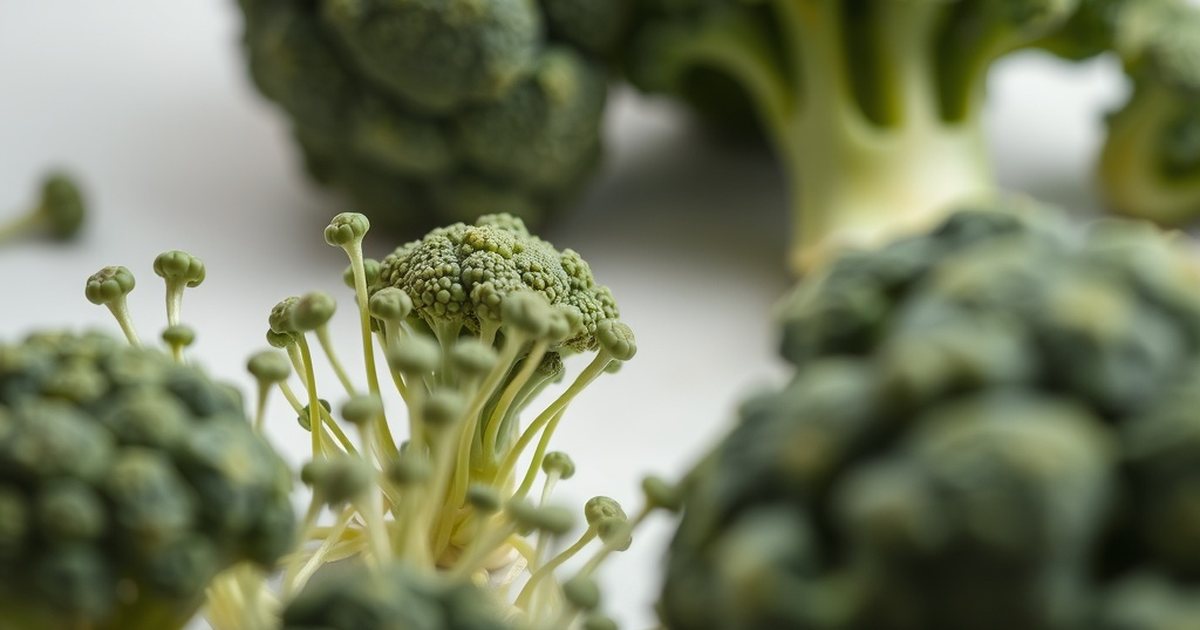
Glucoraphanin is synthesized early in the broccoli life cycle and accumulates in the seed embryo. During germination, metabolic activity increases, and the young seedling retains a high concentration of glucoraphanin per gram of fresh weight. As the plant matures, biomass expands rapidly through leaf and stem growth, diluting the glucoraphanin concentration across a larger tissue mass.
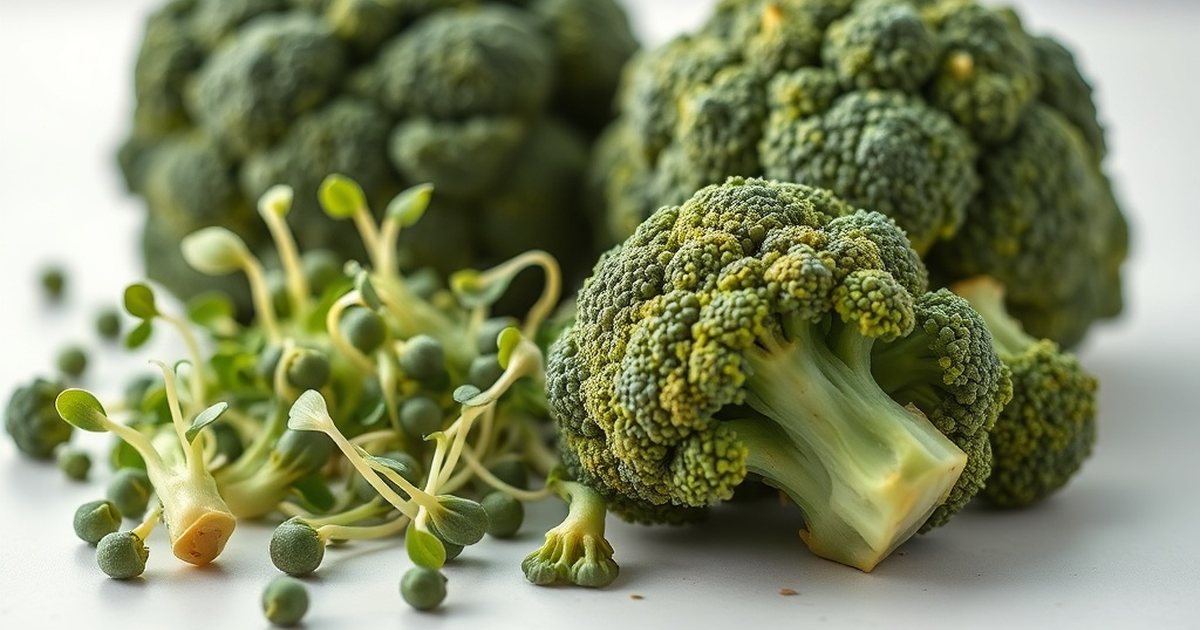
Consequently, when comparing equal fresh weights, sprouts often present a higher density of glucoraphanin than mature florets. The foundational quantification of this gap reported that three-day-old sprouts of certain broccoli cultivars contained 10 to 100 times the glucoraphanin level of the corresponding mature plant[1]. This difference is a matter of concentration rather than total absolute amount, because a mature head contains more total glucoraphanin simply due to its greater size.

Myrosinase Activity During Germination and After Harvest
Myrosinase enzyme activity is present in the seed and remains active in the early seedling stage. Germination does not substantially degrade myrosinase; in fact, the enzyme remains accessible within the cellular vacuoles of the sprouting tissue. This preservation allows the glucoraphanin‑myrosinase reaction to proceed efficiently when sprouts are chewed or processed.
In mature broccoli, myrosinase is still present, but its activity can be affected by factors such as blanching, freezing, or prolonged storage, which may denature the enzyme. Human data show this is not a trivial loss: in a crossover study, sprout preparations that had been boiled – leaving the glucosinolate intact but the enzyme destroyed – produced substantially different isothiocyanate excretion from uncooked sprouts with myrosinase still active[2], and controlled bioavailability work attributes the difference specifically to that endogenous enzyme[3]. Additionally, the larger cellular architecture of mature tissue can impede rapid mixing of the two substrates after damage, potentially lowering the effective sulforaphane yield.
Influencing Factors: Seed Quality, Growing Conditions, and Preparation
The genetic background of the broccoli cultivar determines baseline glucoraphanin levels. Seeds selected for high glucoraphanin content give rise to sprouts with elevated precursor concentrations. Environmental factors such as light exposure, temperature, and nutrient availability during the sprouting period can further modulate glucoraphanin accumulation.
Preparation methods also matter. Raw chewing maximizes cell disruption and enzyme‑substrate contact. Light steaming (brief exposure to ~60 °C) can inactivate epithiospecifier protein, favoring sulforaphane formation over nitrile by‑products, whereas prolonged heating destroys myrosinase and prevents sulforaphane generation altogether.
Practical Considerations for Dietary Intake
For individuals seeking to increase dietary sulforaphane, incorporating fresh broccoli sprouts into salads, sandwiches, or smoothies provides a convenient source of glucoraphanin that can be converted upon mastication. Because sprouts are typically consumed raw, the myrosinase enzyme remains active, facilitating in‑vivo sulforaphane production.

Mature broccoli remains a valuable vegetable, offering fiber, vitamins, and minerals. Lightly steaming mature florets for a short period (1‑2 minutes) may preserve some myrosinase activity while reducing epithiospecifier protein interference, thereby supporting sulforaphane formation. As with any dietary change, moderation is advised, and those with thyroid concerns or undergoing chemotherapy should discuss cruciferous intake with a healthcare professional.
🛒 Where to Buy Sulforaphane
- Nutramax Laboratories Avmacol Regular Strength
tablets, 2 tablets daily — Sulforaphane-producing supplement used in human clinical trials; uses a glucoraphanin + active myrosinase Sulforaphane Production System - Swanson Sulforaphane Broccoli Sprout Extract
capsules, 1 capsule (400 mcg) daily — Budget-friendly option standardized to 0.4% sulforaphane from BroccoPhane concentrate - Source Naturals Broccoli Sprouts Extract
tablets, 1 tablet daily — Delivers 2,000 mcg sulforaphane per serving from freshly germinated broccoli sprouts - Nova Nutritions Broccoli Sprout Extract 1000mg
capsules, 1 capsule daily — Broccoli sprout extract; entry-level price point
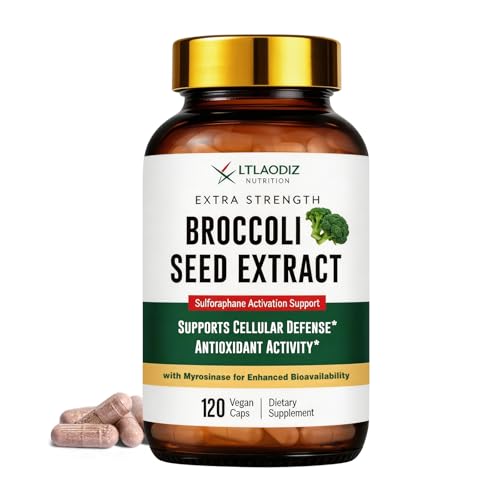
As an Amazon Associate we earn from qualifying purchases. Sulforaphane quality depends on conversion, not price. Prefer a product that supplies active myrosinase or pre-converted stabilized sulforaphane rather than glucoraphanin alone, and look for a batch-specific certificate of analysis stating actual glucoraphanin or sulforaphane content, since a label that headlines sulforaphane while the supplement facts list only broccoli sprout extract gives you no way to verify potency.
A Note on the Evidence
While broccoli sprouts are a rich source of sulforaphane precursors, excessive consumption may affect thyroid function in sensitive individuals and could interact with certain chemotherapy agents. Those with thyroid disorders or undergoing cancer treatment should consult a healthcare professional before making significant dietary changes.
Frequently Asked Questions
Why are broccoli sprouts often marketed as having more sulforaphane than mature broccoli?
Because the young seedlings retain a dense concentration of the precursor glucoraphanin, and their myrosinase enzyme is largely intact, leading to a higher potential yield of sulforaphane per unit fresh weight when the tissue is chewed or processed.
Does cooking broccoli sprouts destroy sulforaphane?
Heat can inactivate myrosinase, preventing the formation of sulforaphane. Brief, low‑temperature steaming may preserve some enzyme activity, but prolonged or high‑heat cooking generally blocks sulforaphane generation.
Can I get the same amount of sulforaphane from a large serving of mature broccoli as from a small serving of sprouts?
A larger quantity of mature broccoli may provide comparable total glucoraphanin, but the lower concentration and possible reduction in myrosinase activity after storage or cooking can result in less sulforaphane being produced compared to an equivalent fresh weight of sprouts.
Are there any risks associated with eating large amounts of broccoli sprouts?
Very high intakes of cruciferous vegetables can contribute a goitrogenic load that may affect thyroid function in susceptible individuals, and sulforaphane may interact with certain chemotherapy drugs. Moderation and medical consultation are advised for those with relevant health concerns.
Is there a difference in sulforaphane content between different broccoli sprout varieties?
Yes, the genetic makeup of the seed influences baseline glucoraphanin levels, so some cultivars yield sprouts with higher precursor concentrations than others. Selecting high‑glucoraphanin seeds can enhance the sulforaphane potential of the sprouts.
Should I take a sulforaphane supplement instead of eating sprouts?
Supplements may provide purified sulforaphane, but they lack the food matrix and co‑factors present in whole sprouts. Whole‑food consumption also delivers fiber, vitamins, and minerals. Discuss supplement use with a healthcare provider, especially if you have underlying health conditions or are taking medication.
References
- Fahey JW et al. Broccoli sprouts: an exceptionally rich source of inducers of enzymes that protect against chemical carcinogens. Proc Natl Acad Sci U S A (1997). PMID 9294217
- Shapiro TA et al. Chemoprotective glucosinolates and isothiocyanates of broccoli sprouts: metabolism and excretion in humans. Cancer Epidemiol Biomarkers Prev (2001). PMID 11352861
- Fahey JW et al. Sulforaphane bioavailability from glucoraphanin-rich broccoli: control by active endogenous myrosinase. PLoS One (2015). PMID 26524341
These statements have not been evaluated by the Food and Drug Administration. This information is not intended to diagnose, treat, cure, or prevent any disease. Content is for informational purposes only and is not medical advice; consult a qualified healthcare provider before starting any supplement. As an Amazon Associate we earn from qualifying purchases.
