Broccoli and other cruciferous vegetables contain more than one bioactive compound worth knowing about. Sulforaphane and indole-3-carbinol (I3C) are two of the most talked-about, and they’re often lumped together as interchangeable ‘broccoli compounds.’ They’re not. They come from different precursor molecules, get activated by different mechanisms, and act on different biological pathways in the body.
This article lays out what each compound actually is, how they’re formed and absorbed, what the proposed mechanisms are, and where the practical differences matter if you’re comparing a sulforaphane supplement to an I3C or DIM (diindolylmethane) supplement. None of this is medical advice, and neither compound is FDA-evaluated as a drug or treatment.
Key Takeaways
- Sulforaphane comes from glucoraphanin and acts mainly through the Nrf2 antioxidant/detox pathway; I3C comes from glucobrassicin and is studied mainly for effects on estrogen metabolism and receptor signaling.
- I3C is unstable and largely converts to DIM in the stomach, which is why many supplements sell DIM directly instead of I3C.
- Sulforaphane’s human bioavailability data is more developed, especially for myrosinase-active broccoli sprout extracts; I3C/DIM human-outcome trials are smaller and more preliminary.
- The two compounds are not interchangeable and don’t compete for the same biological role, so choosing between them should depend on which mechanism is actually relevant to your goal.
- Both occur naturally together in cruciferous vegetables, so whole-food intake exposes you to both without needing to choose.
Different Starting Molecules, Different Enzymes
Sulforaphane is formed from glucoraphanin, a glucosinolate found in high concentration in broccoli and especially broccoli sprouts.[1] When the plant tissue is damaged, by chewing, chopping, or blending, the enzyme myrosinase converts glucoraphanin into sulforaphane. If myrosinase is destroyed (heavy cooking) or absent, gut bacteria can perform a similar conversion, but far less efficiently, which is why raw or lightly steamed cruciferous vegetables, or myrosinase-active supplements, tend to yield more usable sulforaphane.[2]
Indole-3-carbinol is formed from a different glucosinolate, glucobrassicin, which is also broken down by myrosinase but yields I3C instead of sulforaphane. I3C itself is unstable in the acidic environment of the stomach and rapidly self-condenses into a family of secondary compounds, the best known of which is DIM (diindolylmethane).[3] Most of what reaches circulation after eating cruciferous vegetables or taking an I3C supplement is actually DIM and other condensation products, not intact I3C.
In short: sulforaphane is a relatively stable isothiocyanate that survives digestion largely intact, while I3C is a precursor that transforms into a different active compound before it does much of anything in the body.

Proposed Mechanisms: Nrf2 Activation vs. Estrogen Metabolism
Sulforaphane’s best-characterized mechanism is activation of the Nrf2 (nuclear factor erythroid 2-related factor 2) pathway. Under normal conditions, Nrf2 is held inactive in the cytoplasm by a protein called Keap1. Sulforaphane reacts with reactive cysteine residues on Keap1, releasing Nrf2 so it can move into the cell nucleus and switch on genes for antioxidant and phase II detoxification enzymes, things like glutathione S-transferases, NAD(P)H quinone oxidoreductase 1, and heme oxygenase-1. The practical upshot of this mechanism is broad: it’s a general cellular stress-response and detox-support pathway, not tied to any single organ system.
I3C and its main byproduct DIM are studied primarily for their effects on estrogen metabolism and hormone-related signaling. The proposed mechanism involves shifting how the liver metabolizes estrogen, favoring certain hydroxylation pathways (2-hydroxyestrone) over others (16-alpha-hydroxyestrone), a ratio some researchers have proposed as relevant to hormone-sensitive tissue health. I3C/DIM compounds are also studied as aryl hydrocarbon receptor (AhR) ligands and for effects on cell cycle regulation in laboratory and animal models.
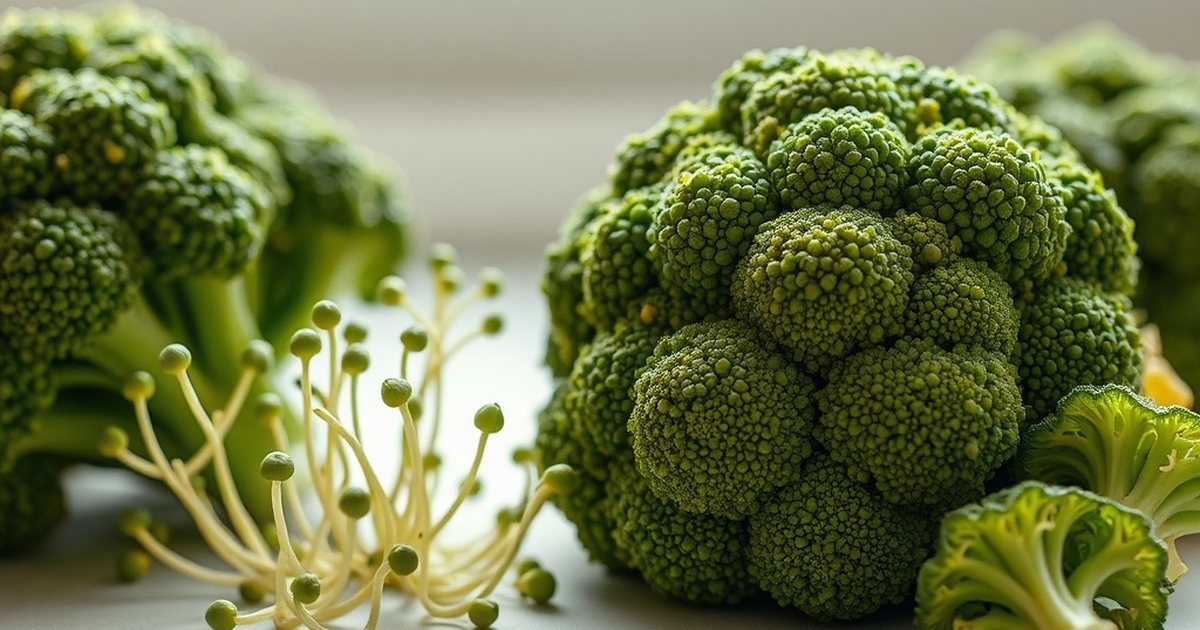
This is the core practical distinction: sulforaphane’s mechanism centers on a general antioxidant/detox switch (Nrf2), while I3C/DIM’s proposed mechanism centers on hormone metabolism and receptor signaling. They are not redundant compounds doing the same job through two doors.
Where the Human Evidence Stands
Sulforaphane has a reasonably developed body of human research, including trials on Nrf2 pathway induction, detox enzyme activity, and exploratory work in areas like autism spectrum behaviors and airway inflammation.[4][5] Bioavailability data is relatively solid: myrosinase-active broccoli sprout extracts produce measurably higher blood sulforaphane levels than glucoraphanin-only extracts that rely on gut bacterial conversion.[6]
I3C and DIM have a smaller and more mixed human evidence base. Much of the mechanistic story (estrogen hydroxylation ratios, AhR activation, cell cycle effects) comes from cell culture and animal studies. Human trials exist but are generally small, short, and focused on surrogate markers like the 2-hydroxy/16-hydroxy estrogen ratio rather than long-term health outcomes.[7] As with sulforaphane, this doesn’t mean the mechanism is wrong, it means the human-outcomes evidence hasn’t caught up to the mechanistic interest.

For both compounds, whole-food intake (eating the vegetables) has a longer observational track record than isolated supplements, though observational data can’t establish that any single compound is responsible for associations seen with high vegetable intake.
Practical Differences If You're Comparing Supplements
If you’re looking at a broccoli sprout extract label, check whether it specifies active myrosinase or a guaranteed sulforaphane yield, not just ‘glucoraphanin content,’ since glucoraphanin alone doesn’t tell you how much sulforaphane your body will actually produce.
If you’re looking at an I3C or DIM supplement, be aware that I3C degrades into multiple byproducts in the stomach, which is one reason many supplement makers sell DIM directly rather than I3C, on the reasoning that it skips an unpredictable conversion step. Dosing conventions and study designs differ between I3C and DIM products, so they shouldn’t be treated as identical either.
Neither compound is a substitute for the other. Someone interested in general antioxidant/detox pathway support is looking at a different mechanism than someone interested in estrogen-metabolism-related research, and choosing between them (or taking both, since they occur together in the same vegetables) should be based on that distinction rather than an assumption that ‘more broccoli compounds’ is automatically better.
Do You Need a Supplement, or Just More Vegetables
Both compounds occur together naturally: broccoli, broccoli sprouts, Brussels sprouts, cabbage, kale, and other Brassica vegetables contain both glucoraphanin (the sulforaphane precursor) and glucobrassicin (the I3C precursor), broken down by the same myrosinase enzyme when the plant is chewed or chopped. Eating a variety of cruciferous vegetables, prepared to preserve some myrosinase activity (raw, lightly steamed, or with a raw vegetable like mustard powder added back after cooking), exposes you to both compound families along with fiber, vitamins, and other phytochemicals that isolated supplements don’t provide.
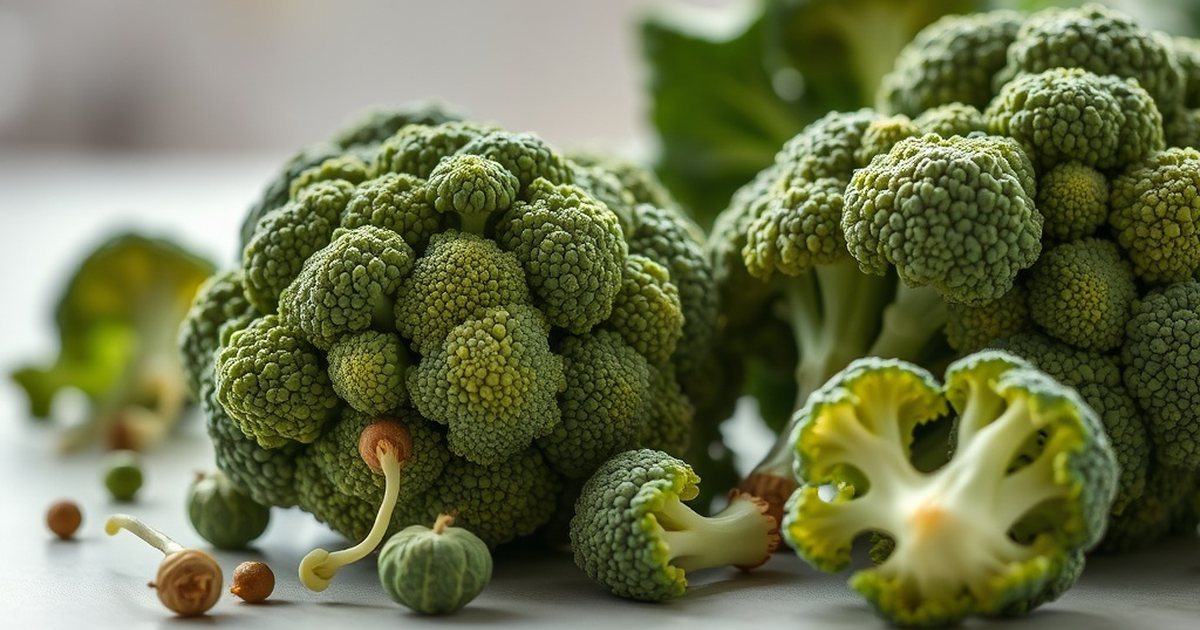
Supplements make sense for people who want a standardized, higher, or more consistent dose than typical diet provides, or who don’t eat cruciferous vegetables regularly. But ‘higher dose’ isn’t automatically ‘better outcome’ for either compound, since most human trials have used moderate, food-comparable doses rather than very high ones.
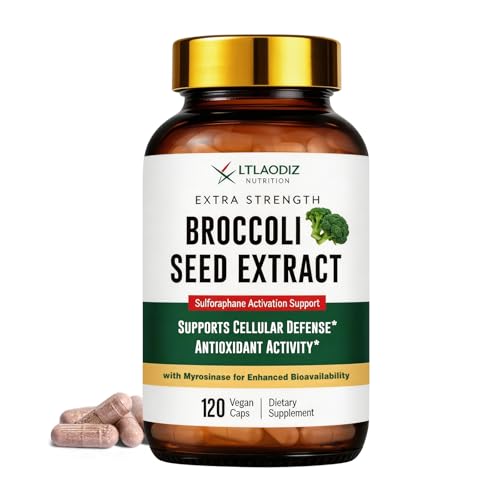
🛒 Where to Buy Sulforaphane
- Nutramax Laboratories Avmacol Regular Strength
tablets, 2 tablets daily — Sulforaphane-producing supplement used in human clinical trials; uses a glucoraphanin + active myrosinase Sulforaphane Production System - Swanson Sulforaphane Broccoli Sprout Extract
capsules, 1 capsule (400 mcg) daily — Budget-friendly option standardized to 0.4% sulforaphane from BroccoPhane concentrate - Source Naturals Broccoli Sprouts Extract
tablets, 1 tablet daily — Delivers 2,000 mcg sulforaphane per serving from freshly germinated broccoli sprouts - Nova Nutritions Broccoli Sprout Extract 1000mg
capsules, 1 capsule daily — Broccoli sprout extract; entry-level price point
As an Amazon Associate we earn from qualifying purchases. Sulforaphane quality depends on conversion, not price. Prefer a product that supplies active myrosinase or pre-converted stabilized sulforaphane rather than glucoraphanin alone, and look for a batch-specific certificate of analysis stating actual glucoraphanin or sulforaphane content, since a label that headlines sulforaphane while the supplement facts list only broccoli sprout extract gives you no way to verify potency.
A Note on the Evidence
This article is informational, not medical advice. Evidence for both compounds is stronger in mechanistic and preclinical research than in large human outcome trials; anyone with a hormone-sensitive condition, thyroid condition, or who is undergoing cancer treatment (sulforaphane may interact with certain chemotherapy regimens) should consult their doctor before adding either compound as a supplement.
Frequently Asked Questions
Is sulforaphane the same thing as indole-3-carbinol?
No. They come from different glucosinolate precursors in cruciferous vegetables (glucoraphanin vs. glucobrassicin) and are converted by the same myrosinase enzyme into two structurally different compounds with different proposed mechanisms.
Which one is better for general health?
Neither is categorically ‘better’; they’re studied for different things. Sulforaphane’s main proposed benefit is broad antioxidant/detox enzyme support via Nrf2, while I3C/DIM is studied mainly around estrogen metabolism and hormone-related signaling.

Can I take both sulforaphane and I3C/DIM together?
They occur together naturally in cruciferous vegetables, so taking both isn’t unusual, but there’s limited human research specifically testing the combination as a supplement stack. If you’re on medication or have a hormone-sensitive condition, discuss combined use with a doctor first.
Why do some supplements use DIM instead of I3C?
I3C is chemically unstable in stomach acid and rapidly converts into DIM and other byproducts. Some manufacturers supply DIM directly to avoid the unpredictable conversion step, though this is a formulation choice rather than a settled question of which form is superior.
Does cooking destroy these compounds?
Heavy cooking can deactivate the myrosinase enzyme needed to convert both glucoraphanin and glucobrassicin into their active forms, reducing yield of both sulforaphane and I3C. Raw, lightly steamed, or sprouted preparations generally preserve more myrosinase activity.
Are these compounds regulated as drugs?
No. Sulforaphane and I3C/DIM supplements are sold as dietary supplements and are not FDA-evaluated as drugs, meaning claims about disease treatment or prevention aren’t permitted and haven’t been through drug-level regulatory review.
References
- Fahey JW et al. Broccoli sprouts: an exceptionally rich source of inducers of enzymes that protect against chemical carcinogens. Proceedings of the National Academy of Sciences (1997). PMID 9294217
- Fahey JW et al. Protection of humans by plant glucosinolates: efficiency of conversion of glucosinolates to isothiocyanates by the gastrointestinal microflora. Cancer Prevention Research (2012). PMID 22318753
- De Kruif CA et al. Structure elucidation of acid reaction products of indole-3-carbinol: detection in vivo and enzyme induction in vitro. Chemico-Biological Interactions (1991). PMID 1954658
- Singh K et al. Sulforaphane treatment of autism spectrum disorder (ASD). Proceedings of the National Academy of Sciences (2014). PMID 25313065
- Sudini K et al. A randomized controlled trial of the effect of broccoli sprouts on antioxidant gene expression and airway inflammation in asthmatics. The Journal of Allergy and Clinical Immunology: In Practice (2016). PMID 27130714
- Fahey JW et al. Sulforaphane bioavailability from glucoraphanin-rich broccoli: control by active endogenous myrosinase. PLoS One (2015). PMID 26524341
- Thomson CA et al. A randomized, placebo-controlled trial of diindolylmethane for breast cancer biomarker modulation in patients taking tamoxifen. Breast Cancer Research and Treatment (2017). PMID 28560655
These statements have not been evaluated by the Food and Drug Administration. This information is not intended to diagnose, treat, cure, or prevent any disease. Content is for informational purposes only and is not medical advice; consult a qualified healthcare provider before starting any supplement. As an Amazon Associate we earn from qualifying purchases.
