Sulforaphane’s gut connection actually runs in two directions. Gut bacteria are partly responsible for converting glucoraphanin into active sulforaphane in the first place, and separately, sulforaphane itself appears to influence gut bacteria composition and intestinal barrier function once it’s active. Neither direction is as thoroughly studied in humans as sulforaphane’s Nrf2 mechanism in general.
This article looks at what the animal and mechanistic research shows about sulforaphane’s relationship with the gut microbiome and intestinal barrier (the “leaky gut” concept, described more precisely), and where the evidence gap sits relative to more established Nrf2 findings.
Key Takeaways
- Gut bacteria help convert glucoraphanin into sulforaphane when dietary myrosinase isn’t available, meaning microbiome composition affects how much active sulforaphane a person actually absorbs.
- In a mouse model, sulforaphane normalized gut microbiota composition and repaired intestinal barrier damage linked to bladder cancer development [1].
- A 2023 clinical hypothesis paper proposes that sulforaphane could support gut epithelial cell function as a way to influence the broader gut ecosystem, rather than targeting microbes directly [2].
- Human clinical trial data specifically on sulforaphane and gut barrier function is still limited; most current evidence is preclinical or theoretical.
- This information is educational and not a substitute for medical advice for diagnosed digestive conditions.
Two different relationships between sulforaphane and the gut
It’s easy to conflate two separate mechanisms under “sulforaphane and gut health.” The first is that mammals don’t produce myrosinase, the enzyme that converts glucoraphanin into sulforaphane, so when myrosinase isn’t supplied by chewing fresh sprouts or by a supplement’s added enzyme, gut bacteria step in and perform a slower, less efficient version of that same conversion. This means microbiome composition partly determines how much sulforaphane a person gets from a given dose of glucoraphanin.
The second relationship runs the other way: once sulforaphane is active in the body, animal research suggests it can influence which gut bacteria thrive and support the integrity of the intestinal barrier, the layer of tight junctions between gut epithelial cells that normally prevents bacteria and large molecules from leaking into the bloodstream.
What the gut barrier research actually tested
A mouse study using a chemically induced bladder cancer model found that sulforaphane treatment normalized gut microbiota composition, notably increasing Bacteroides fragilis and Clostridium cluster I populations, while also repairing physical damage to the gut barrier and reducing associated inflammation and immune response [1]. The researchers’ interest was cancer prevention specifically, but the gut-barrier and microbiota findings are relevant to gut health more broadly.
It’s worth being direct about what this is: a mouse model of a specific cancer type, not a human digestive health trial. The mechanism is plausible and the finding is real within that model, but translating it directly to “sulforaphane will fix your gut barrier” overstates what a single animal study in a cancer context can support.
The clinician’s hypothesis: targeting the gut lining instead of the microbes
A 2023 paper takes a different angle, proposing that sulforaphane’s main gut benefit may come from strengthening the gut epithelial cells themselves rather than acting directly on the microbes [2]. The reasoning is that gut epithelial cells (colonocytes) are increasingly understood as drivers of microbial imbalance (dysbiosis), so improving epithelial cell function via Nrf2 activation could be a more direct lever than trying to selectively promote or suppress specific bacterial species.
This is explicitly framed by its own author as a hypothesis paper, a synthesis of existing mechanistic evidence into a testable clinical rationale, not a report of a completed clinical trial. It’s useful for understanding the reasoning practitioners use, but it isn’t proof the approach works in practice.
Recommended Sulforaphane Supplements
For readers evaluating sulforaphane sources for general Nrf2 and gut-related research interest, the options below are commonly compared.
A Note on the Evidence
This article is informational, not medical advice. The gut microbiome and intestinal barrier research on sulforaphane is largely preclinical (animal models) or theoretical (hypothesis papers), with limited direct human clinical trial data specific to gut barrier outcomes. Anyone with a diagnosed digestive condition such as IBD, IBS, or SIBO should talk to a gastroenterologist before using sulforaphane supplementation as part of a gut health strategy.
Frequently Asked Questions
Does sulforaphane heal leaky gut?
There’s no human clinical trial demonstrating that sulforaphane treats or reverses increased intestinal permeability in people. The supporting evidence is a mouse study showing gut barrier repair in a cancer model and a mechanistic hypothesis paper, not a completed human gut-health trial [1] [2].
How does sulforaphane affect gut bacteria?
In animal research, sulforaphane shifted gut microbiota composition toward specific bacterial populations associated with reduced inflammation, alongside repair of gut barrier damage [1]. Human data on which specific bacterial changes occur with supplementation is not yet established.
Do I need gut bacteria to benefit from sulforaphane supplements?
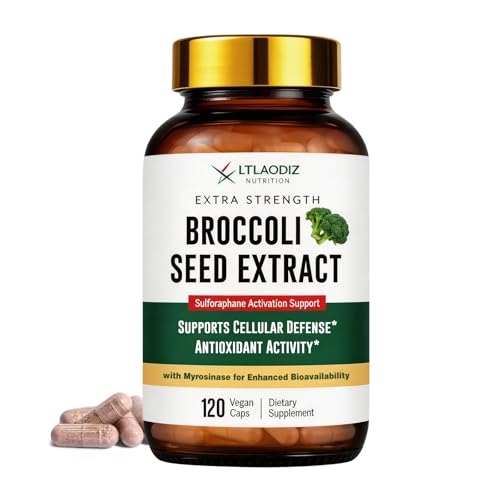
It depends on the supplement. Products containing active myrosinase (or fresh broccoli sprouts, chewed thoroughly) convert glucoraphanin to sulforaphane directly, without relying on gut bacteria. Products without active myrosinase rely more heavily on gut microbiota to perform that conversion, which is slower and more variable between individuals.
Is this research related to sulforaphane’s H. pylori findings?
It’s related but distinct. The H. pylori research is about sulforaphane’s effect on a specific pathogenic bacterium in the stomach, while the gut microbiome research discussed here is about sulforaphane’s broader effect on the intestinal bacterial community and gut lining function.
Should I take a probiotic with sulforaphane for gut health?
There’s no direct clinical evidence establishing whether combining sulforaphane with a probiotic changes outcomes for gut barrier function specifically. This is a reasonable question to bring to a healthcare provider, not one the current research answers definitively.

References
- He C et al. Sulforaphane Normalizes Intestinal Flora and Enhances Gut Barrier in Mice with BBN-Induced Bladder Cancer. Molecular Nutrition & Food Research (2018). PMID 30302904
- Houghton CA. The Rationale for Sulforaphane Favourably Influencing Gut Homeostasis and Gut-Organ Dysfunction: A Clinician’s Hypothesis. Int J Mol Sci (2023). PMID 37686253
These statements have not been evaluated by the Food and Drug Administration. This information is not intended to diagnose, treat, cure, or prevent any disease. Content is for informational purposes only and is not medical advice; consult a qualified healthcare provider before starting any supplement. As an Amazon Associate we earn from qualifying purchases.
